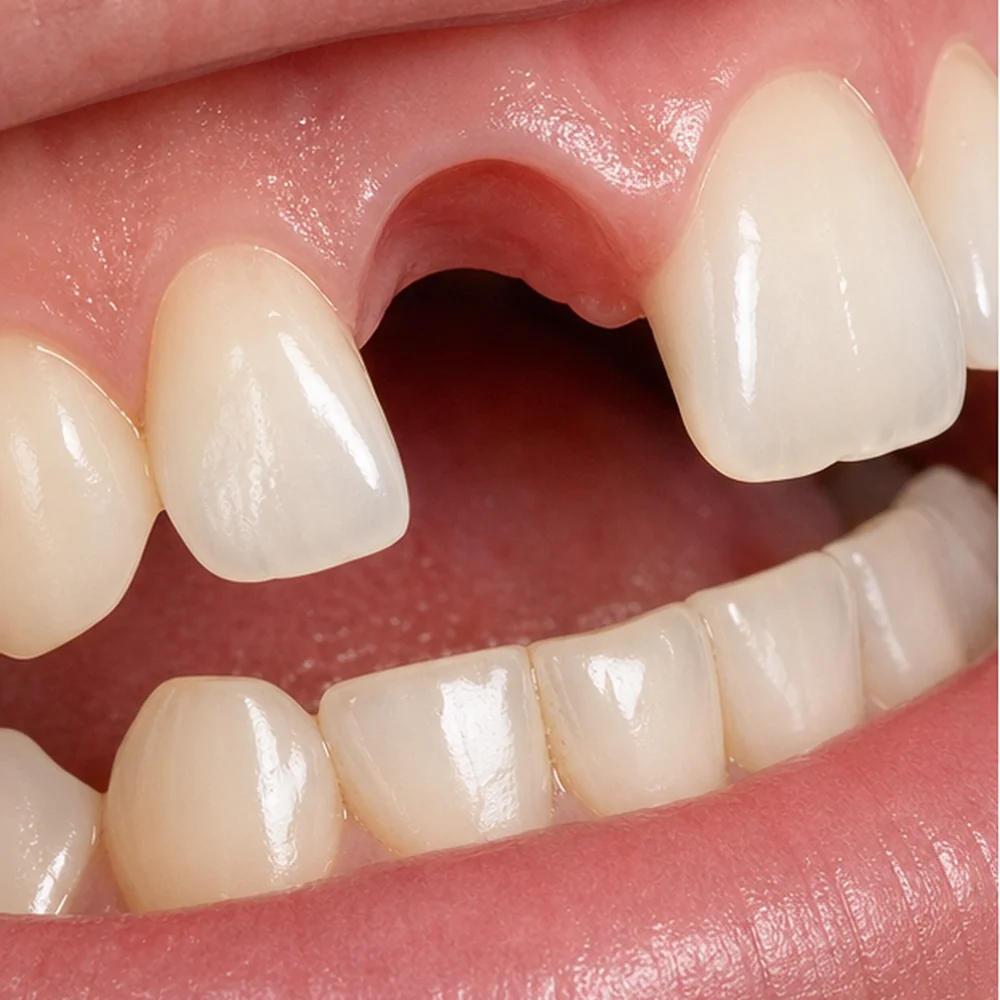
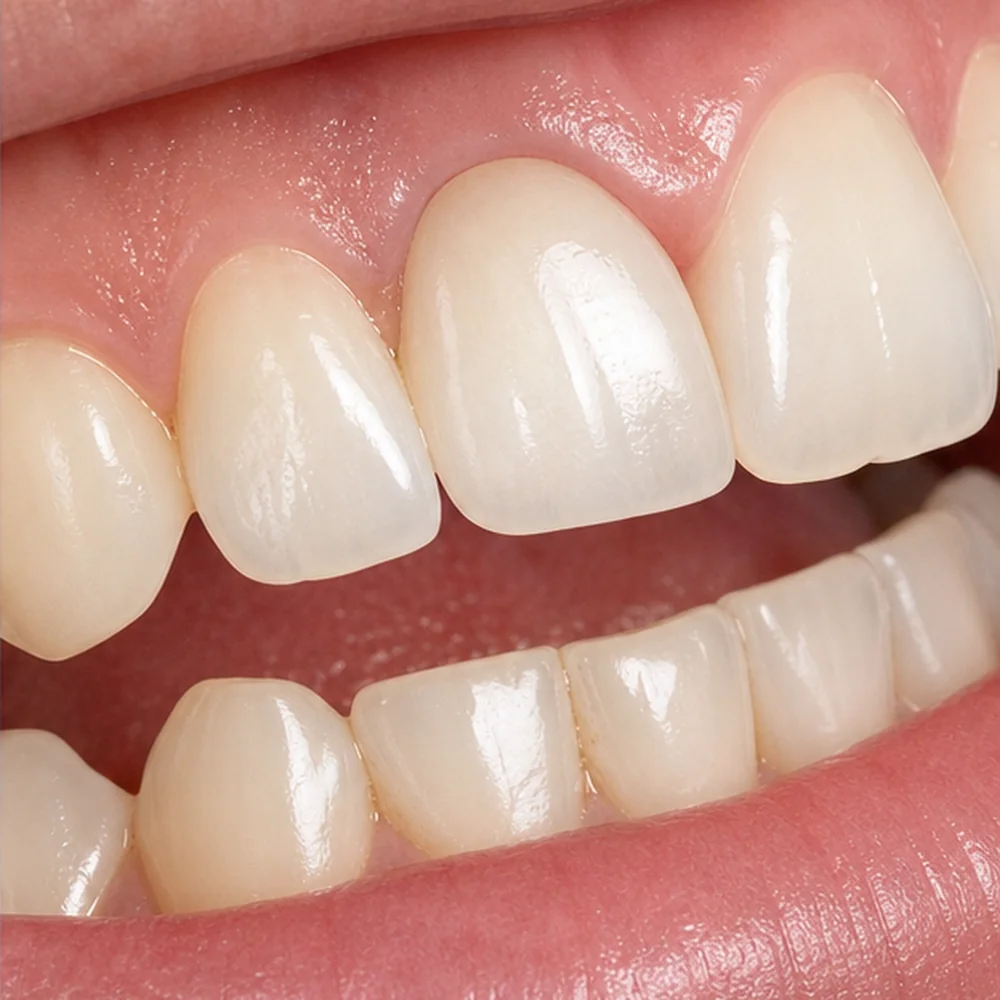
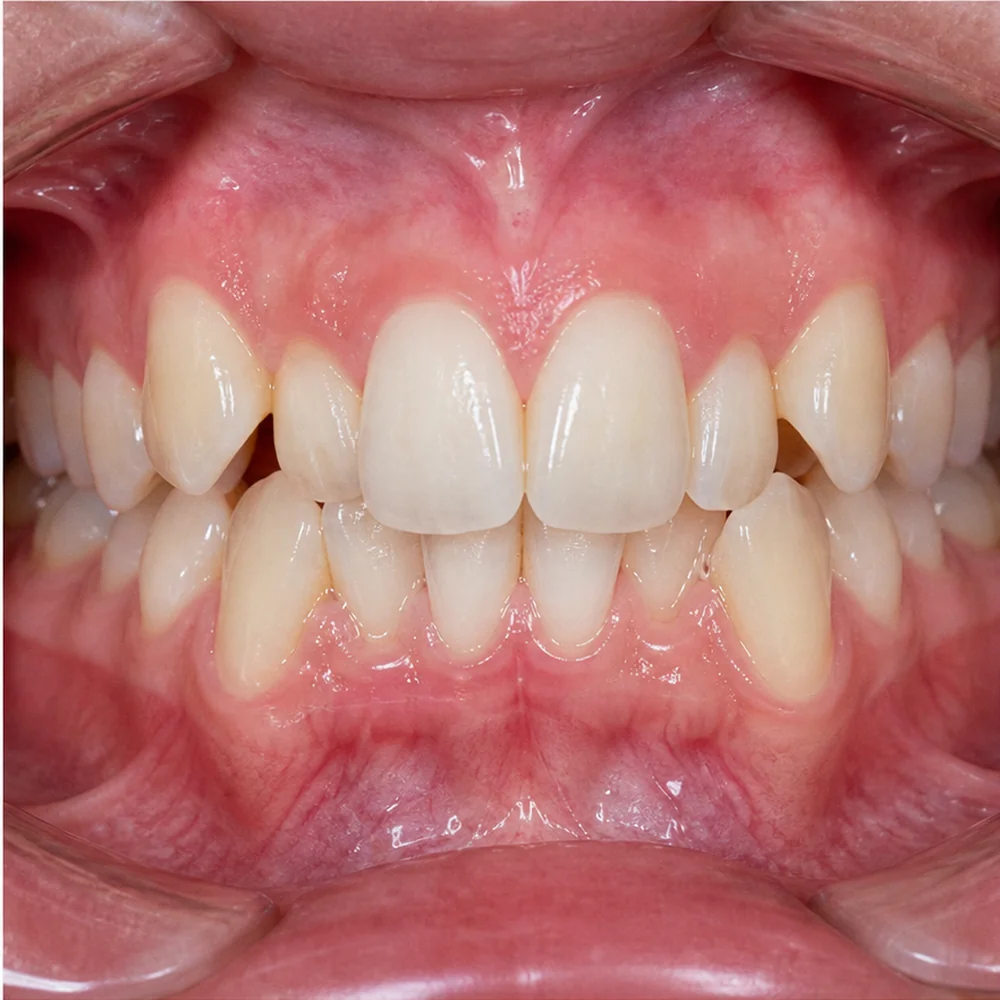
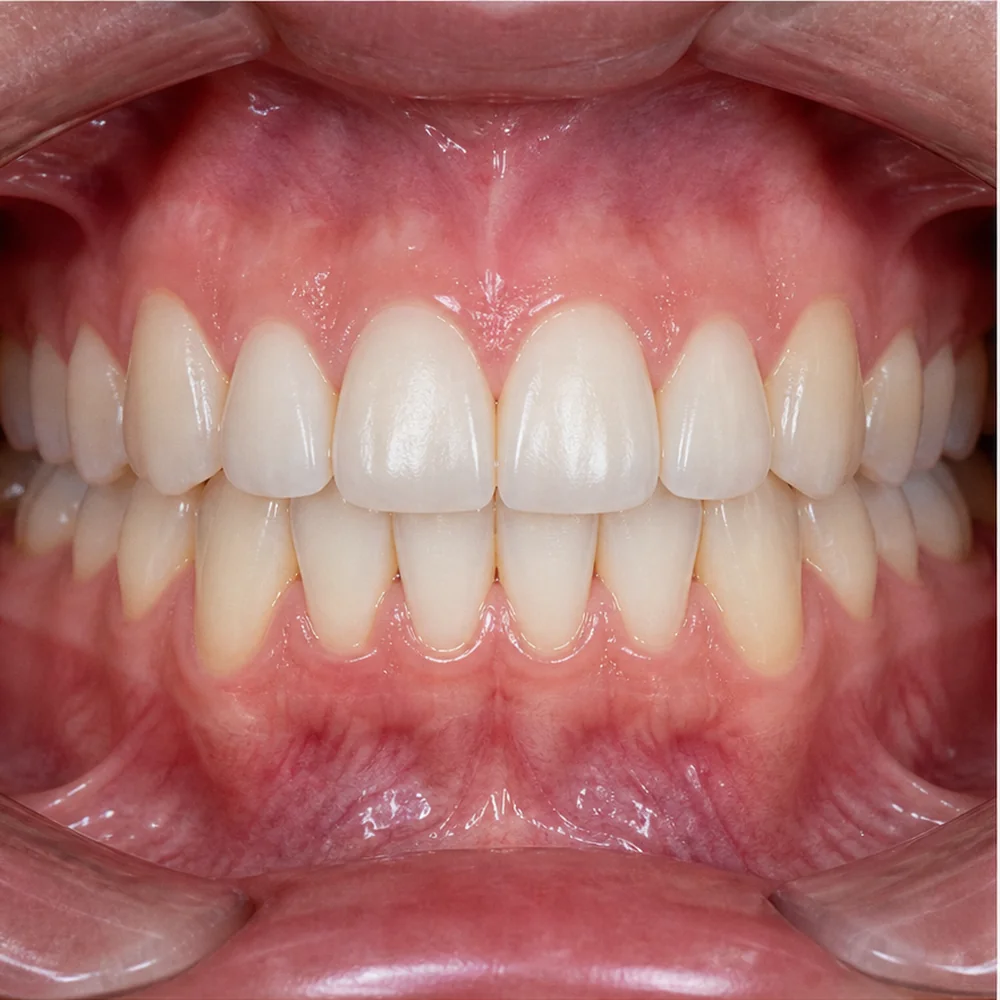
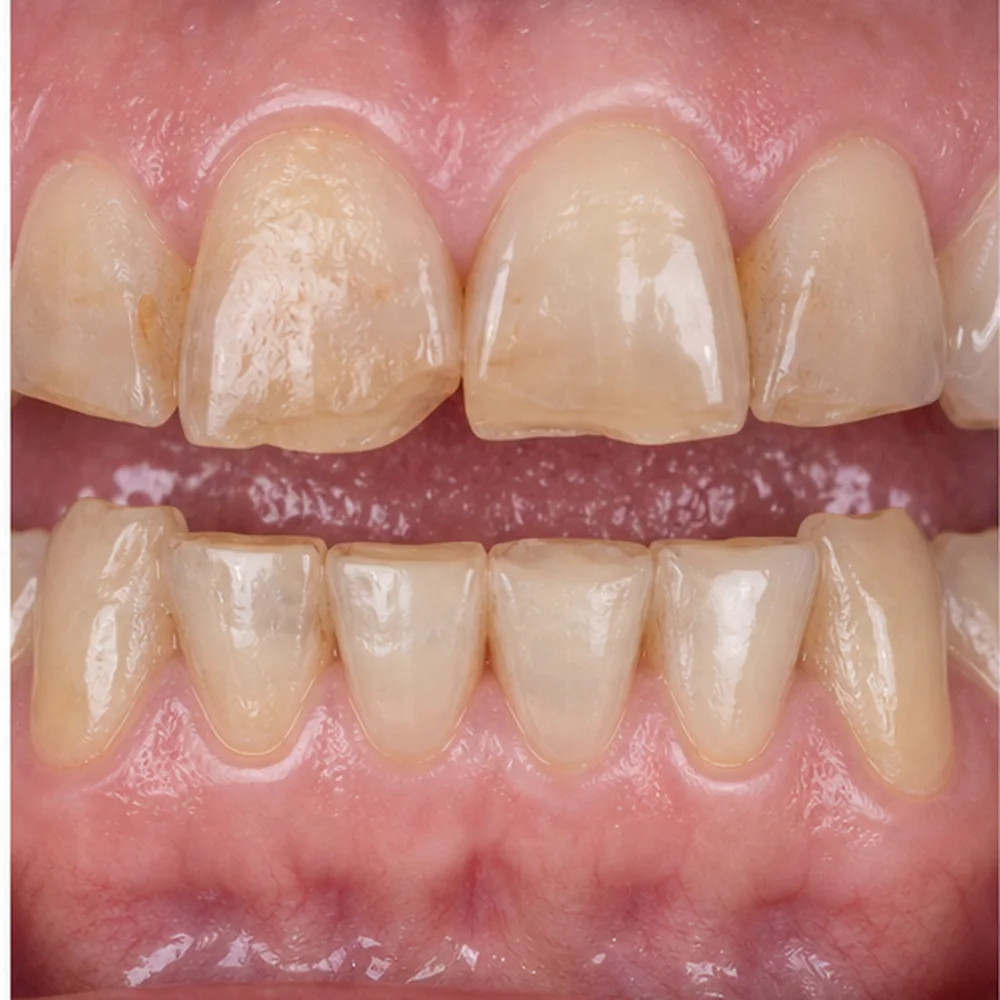
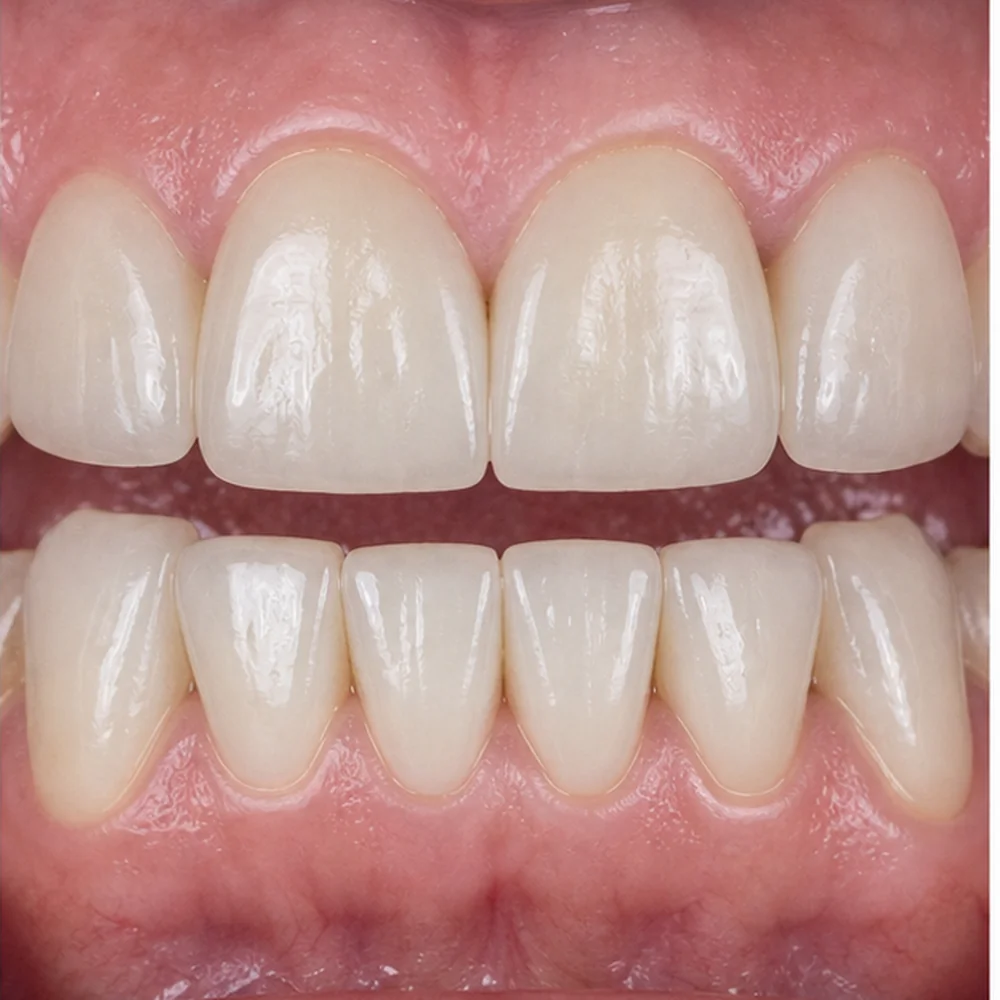
Oral surgery encompasses a broad range of procedures involving the teeth, bone, and soft tissues of the oral cavity — from routine extractions to more complex pre-implant procedures. At BUTE DENTALL CLINIC in Bucharest and DENTALL M in Râmnicu Sărat, every surgical procedure is preceded by a thorough evaluation and performed under conditions of maximum safety, using effective local anesthesia and modern protocols to ensure the most comfortable experience possible for the patient.
What is oral surgery and when do you need it
Oral surgery — also known as dento-alveolar surgery — addresses conditions that cannot be resolved through conservative means (fillings, root canal therapy, scaling). It is the branch of dentistry that intervenes when a tooth, cyst, soft tissue, or the bony structure of the jaw requires correction through surgical techniques.
Not all surgical procedures are complicated or painful. Many are performed quickly, under local anesthesia, in a dental office, and require no hospitalization. What distinguishes them is that they involve incision, extraction, or reshaping of tissues — and therefore require surgical skill, prior imaging evaluation, and careful planning.
The main situations in which your dentist may recommend oral surgery include:
- a tooth that can no longer be saved and must be extracted;
- an impacted or partially erupted wisdom tooth causing pain, infection, or crowding;
- the presence of a dental or periapical cyst;
- an infection at the root tip that does not respond to endodontic treatment;
- a frenectomy required for proper speech development or occlusion;
- preparation for a dental implant when the bone is insufficient in volume or density;
- gum conditions requiring gingivectomy.
Oral surgery does not necessarily mean a major or frightening procedure. It means a well-thought-out plan, carried out by an experienced specialist in a controlled, sterile environment.
Who is it recommended for
Oral surgery is not reserved exclusively for complex cases or dental emergencies. There are common situations that many patients face in which a surgical procedure is the most appropriate solution — sometimes the only one.
Patients with non-restorable teeth
When a tooth has been severely damaged by decay, fracture, or advanced periodontal disease and can no longer be treated conservatively, extraction becomes necessary. Keeping a compromised tooth can cause infections, affect neighboring teeth, and in some cases endanger the surrounding bone. Early extraction, followed by a restorative plan (implant, bridge, or denture), is the correct long-term decision.
Young adults with problematic wisdom teeth
The wisdom tooth (the last molar, number 8) is a frequent cause of pain, inflammation, and dental emergencies in young adults between 18 and 30. Sometimes there is not enough room for it to fully erupt, and it remains fully impacted in the bone or partially erupted — situations that do not resolve on their own and require surgical extraction.
Patients with dental cysts
Cysts are fluid- or semi-fluid-filled formations that develop around tooth roots or within the jawbone. Many patients are unaware they have them, as small cysts cause no pain. Discovered on a routine X-ray or CBCT scan, they must be removed before they grow and affect surrounding structures.
Patients preparing for dental implants
Dental implants require adequate bone volume and density. When a patient lacks this — due to an old extraction or bone loss — the dentist may recommend a bone grafting procedure or sinus lift to create the conditions necessary for a lasting implant.
Patients with resistant periapical infections
Apicoectomy is indicated when an infection at the tip of a tooth's root cannot be resolved through endodontic retreatment. The procedure allows the dentist to surgically access the affected area, remove the infected tissue, and seal the root — thereby saving the tooth.
Types of oral surgery procedures
Simple dental extraction
This applies to fully erupted, visible teeth that present no complications in position or structure. It is a quick procedure performed under local anesthesia. Post-extraction discomfort is minimal and resolves within a few days with proper care.
Complex surgical extraction
This is performed when a tooth has curved roots, has fractured, is ankylosed (fused to bone), or has an atypical position. It requires a gingival incision, sometimes removal of a small portion of bone, and wound closure with sutures. Recovery takes somewhat longer, but remains within predictable and manageable limits.
Extraction of an impacted or partially erupted wisdom tooth
The wisdom tooth is the most frequently surgically extracted tooth. When it is fully impacted within bone or partially covered by gum tissue (partially erupted), its extraction requires a surgical approach: incision, exposure of the tooth, sometimes sectioning it into fragments to facilitate removal, and suturing. The procedure typically takes between 20 and 45 minutes per tooth and is performed under complete local anesthesia — the patient feels no pain during the procedure.
Cystectomy
Cystectomy involves the complete surgical removal of a cyst. The dentist makes an incision, exposes the cyst, removes it entirely along with its capsule, and cleans the area. Sometimes extracting the cyst also involves removing the associated tooth; in other cases the tooth can be preserved. The removed specimen is sent for histopathological analysis to confirm the benign nature of the lesion.
Apicoectomy
The procedure involves surgical access to the root tip through a gingival incision, followed by resection (cutting) of the infected root tip and debridement of the infectious focus. The root is then sealed and the wound sutured. It is a tooth-saving procedure for cases in which root canal treatment is no longer effective.
Frenectomy
The buccal or labial frenum is a band of soft tissue connecting the lips, cheeks, or tongue to the gum. When it is too short or too thick, it can cause diastemas (gaps between teeth), breastfeeding difficulties in infants, speech problems, or gingival recession. Frenectomy is a quick, minimally invasive procedure that involves cutting or removing the frenum.
Bone grafting
Bone grafting is a procedure in which the dentist adds bone material to areas with insufficient volume — most often in preparation for a dental implant. The grafting material may be synthetic, animal-derived (biocompatible), or, in selected cases, harvested from another area of the patient's own body. The grafted area needs several months to integrate and consolidate before the implant can be placed.
Sinus lift (maxillary sinus elevation)
In the posterior upper jaw, the maxillary sinus can be an obstacle to implant placement, as sinus pneumatization (expansion) reduces the available bone volume. A sinus lift is a procedure in which the sinus membrane is raised and the space created is filled with bone material. It requires detailed imaging planning using CBCT tomography and a longer recovery period, but is a well-documented solution with high success rates.
Gingivectomy
Gingivectomy involves the surgical removal of a portion of hypertrophied (overgrown) or diseased gum tissue. It is indicated for gingival hyperplasia, excessively deep gingival pockets that encourage bacterial accumulation, or aesthetic concerns caused by excess gum tissue. The procedure can be performed with a scalpel or, in some cases, with a dental laser.
How treatment is carried out, step by step
An oral surgery procedure does not begin the moment the dentist picks up the scalpel. It is preceded by a rigorous evaluation and planning process, which makes the difference between a well-controlled procedure and one with unwanted surprises.
Initial consultation and medical history — The dentist discusses the patient's symptoms, medical history, current medications, and any relevant conditions (diabetes, clotting disorders, anticoagulant therapy). This information is essential for adjusting the surgical protocol.
Imaging — X-ray and CBCT — A conventional dental X-ray provides an initial image. When the case is complex — an atypically positioned wisdom tooth, an apicoectomy, bone grafting, or a sinus lift — the dentist will recommend a dental cone beam CT (CBCT). This provides a complete three-dimensional image: the exact position of the inferior dental nerve, proximity to the maxillary sinus, bone density, and the number and shape of the roots. Planning with CBCT reduces risks and enables selection of the optimal surgical approach.
Local anesthesia — Local anesthesia is administered to completely block the area being treated. The patient may feel slight pressure during the procedure, but no pain. For patients with marked anxiety or during longer procedures, conscious sedation can be discussed with the dentist — a state of deep relaxation in which the patient is awake but calm and without significant discomfort.
The procedure itself — The dentist performs the planned procedure: extraction, cystectomy, resection, grafting. Duration varies from a few minutes for simple extractions to an hour or more for more complex procedures. Throughout, the assistant keeps the surgical field clean and dry while the dentist works methodically and in a controlled manner.
Suturing — At the end of most surgical procedures, the wound is sutured. Sutures may be resorbable (dissolving on their own in 1–2 weeks) or non-resorbable (requiring a removal visit after 7–10 days).
Post-operative instructions — Before leaving, the patient receives clear instructions on wound care, diet, medication, and warning signs that warrant returning to the office. At DentALL, patients have access to a communication channel with the medical team even after their appointment.
Recovery, risks, and common myths
One of the most common sources of patient anxiety is fear of what comes after the procedure. Accurate information reduces this anxiety and also improves post-operative outcomes.
What is normal after oral surgery: Local swelling (edema) appears within the first 24–48 hours and is a normal physiological response. It can be reduced by applying ice in the first few hours (an ice pack wrapped in a cloth, 20 minutes on with breaks). Discomfort and sensitivity are normal for 2–5 days and are managed with anti-inflammatory drugs or analgesics prescribed by the dentist. Small traces of blood in saliva are normal on the first day.
Wound care: Do not rinse vigorously on the first day — this can dislodge the blood clot that has formed at the extraction site, leading to a complication called dry socket (alveolar osteitis), which is painful and slow to heal. Brushing resumes the next day, avoiding the operated area. Food should be soft, at moderate temperatures — not hot, hard, or sticky. Alcohol and smoking are prohibited for at least 48–72 hours, preferably longer.
Signs that require contacting the dentist: Pain that intensifies after 3–4 days (rather than decreasing), fever above 38°C, heavy bleeding that does not stop under gauze pressure, rapidly increasing swelling, or trismus (inability to open the mouth). These signs may indicate an infection or other complication requiring prompt evaluation.
Myths about oral surgery
"Wisdom tooth extraction is extremely dangerous" — False. Wisdom tooth extraction is one of the most common dental procedures in the world. Risks exist, as with any surgical procedure, but they are minimal when the procedure is properly planned, preceded by CBCT imaging in complex cases, and performed by an experienced specialist. Serious complications are rare.
"I'll be in pain for days after the extraction" — Partially false. Discomfort exists but is manageable. Most patients resume normal activities within 24–48 hours of a simple extraction. More complex procedures (impacted wisdom tooth, bone grafting) involve a longer recovery, but one that is controllable with appropriate medication.
"If my wisdom tooth doesn't hurt, it doesn't need to be removed" — Incorrect. An impacted or partially erupted wisdom tooth can cause problems without pain: it crowds the front teeth, promotes decay in the adjacent molar (number 7), and can generate cysts or low-grade chronic infections. The extraction decision is based on radiological evaluation, not symptoms alone.
"Oral surgery always leaves visible scars" — Incorrect. Oral soft tissues regenerate rapidly and very well. Properly sutured wounds leave minimal or no visible marks after healing.
"Pericoronitis is treated with antibiotics, not extraction" — Partially true. Antibiotics can temporarily control pericoronal inflammation (infection of the gum around a partially erupted wisdom tooth), but do not address the underlying cause. As long as the tooth remains partially erupted and the gum partially covers it, infections will recur. Extraction is the definitive solution.
Cost and what influences the price
The cost of an oral surgery procedure varies depending on several factors, each with a real impact on the complexity of the procedure and the resources required. At DentALL, transparent communication means patients understand exactly what determines the value of the treatment, with no hidden costs or surprises.
The complexity of the case is the most important factor. A simple extraction of a fully erupted tooth differs significantly, in terms of time and effort, from extracting a wisdom tooth that is fully impacted in bone in a horizontal or angulated position relative to the inferior dental nerve.
The type of imaging required influences the total cost. A simple X-ray is sufficient for routine cases. Complex cases require CBCT tomography, which provides essential three-dimensional information for safe planning — and carries a separate cost.
The need for bone grafting or a sinus lift adds complexity and specialized materials. Bone grafts involve biocompatible materials with their own costs and sometimes additional monitoring visits.
Conscious sedation, when chosen by the patient or recommended by the dentist, involves an additional protocol and usually the presence of an anesthesiologist or a specific protocol — a factor that is reflected in the cost.
The number of teeth treated in one session and the need for post-operative follow-up visits also factor into the overall treatment cost.
At DentALL, the final price is communicated following the consultation and imaging evaluation — not through generic quotes. The patient receives a detailed estimate before making any decision.
Why choose DentALL
Oral surgery requires more than technical skill. It requires complete infrastructure, clear safety protocols, and a team that communicates openly with the patient — before, during, and after the procedure.
CBCT tomography available in-house — At both DentALL clinics, dental CT scanning is available on-site. This means surgical planning can be carried out with three-dimensional precision, without external referrals and without losing time. The dentist knows exactly where the nerve is, where the sinus lies, and how much bone is available — before the first incision.
Digital radiology with reduced dose — The conventional X-rays used at DentALL are digital, with minimal radiation exposure. This is particularly important for long-term monitoring and repeated evaluations.
Dental laser — Used in certain soft tissue procedures (frenectomies, gingivectomies), the laser reduces intraoperative bleeding, accelerates healing, and can eliminate the need for suturing in some cases.
Traceable sterilization cycles — All surgical instruments undergo monitored and documented sterilization processes. Patients can be assured that hygiene protocols are upheld to the highest standard, in compliance with current regulations.
A team of 14 specialists — DentALL works with over 14 specialist dentists, enabling real interdisciplinary collaboration: the oral surgeon works alongside the implantologist, prosthodontist, or orthodontist, ensuring a complete and long-term treatment plan.
Identical protocols in Bucharest and Râmnicu Sărat — Whether you come to BUTE DENTALL CLINIC in Bucharest or DENTALL M in Râmnicu Sărat, you benefit from the same equipment standards, the same surgical protocols, and the same quality of care. Patients who live in intermediate areas or who are passing through can opt for either clinic without compromise.
Post-operative communication — The period immediately following the procedure is sometimes the most anxious for patients. At DentALL, the team remains available for questions and post-operative follow-up, ensuring that any concerns are addressed promptly and competently.
Over 10,000 patients treated — The experience accumulated over years of practice in both clinics is a genuine asset: diverse cases, unusual situations, managed complications. This experience translates into composure, competence, and solutions tailored to each patient.
Conclusion and invitation to book an appointment
Oral surgery should not be a source of fear. Performed by experienced specialists, with rigorous imaging planning and in a properly equipped environment, a surgical procedure in the oral cavity is a controlled procedure with minimal risks and clear outcomes. Whether it involves extracting a wisdom tooth that has been causing problems for years, removing a cyst discovered incidentally, or bone grafting to prepare for an implant, every step is carefully planned and carried out for the benefit of your long-term health.
Postponing a necessary procedure only complicates the situation: infections spread, cysts grow, bone resorbs, and neighboring teeth are affected. The earlier the evaluation, the simpler and less invasive the solutions.
If you have persistent dental pain, if you have been advised to have a tooth extracted, or if you simply haven't visited a dentist in a long time and want to know what you're dealing with, the first step is a consultation. At BUTE DENTALL CLINIC in Bucharest and DENTALL M in Râmnicu Sărat, the initial consultation is dedicated to evaluating your situation, answering your questions, and establishing a clear plan — without pressure, without rushed decisions.
Book online through our appointment form or contact us directly. The DentALL team is available to answer any questions before your visit.