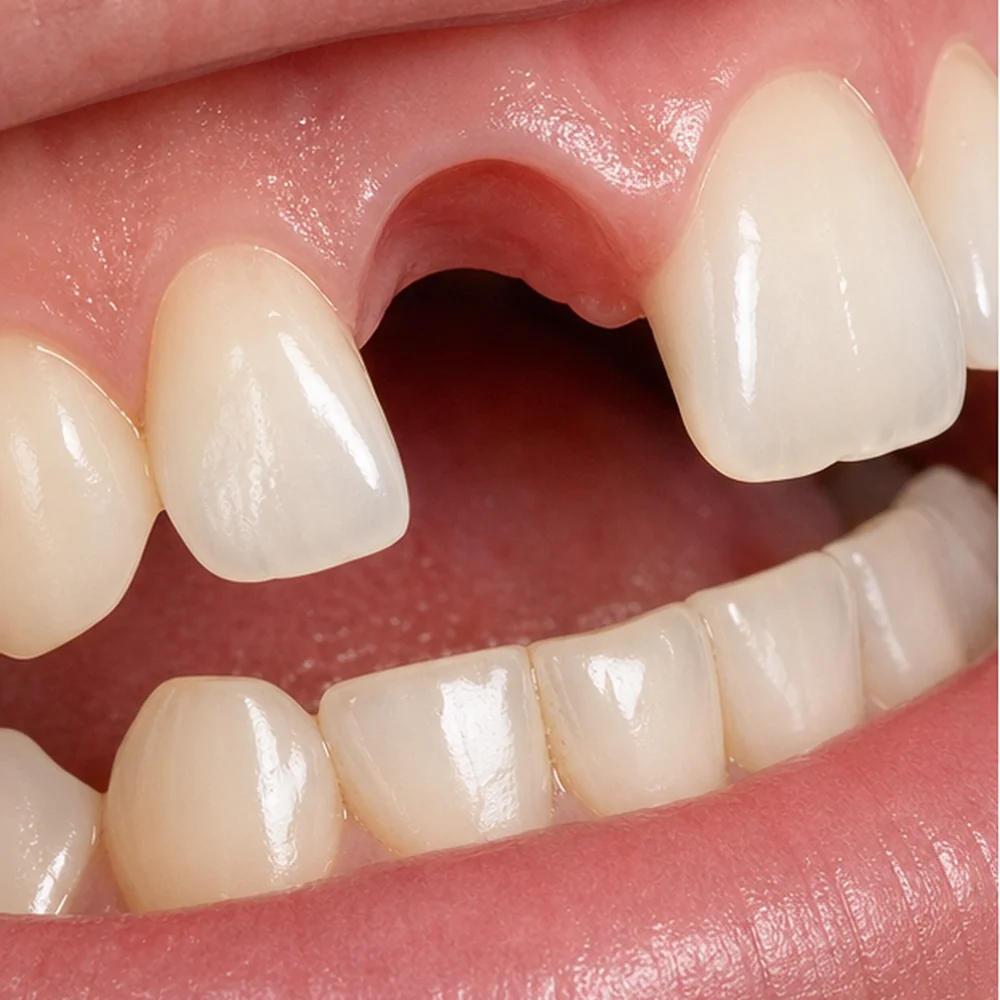
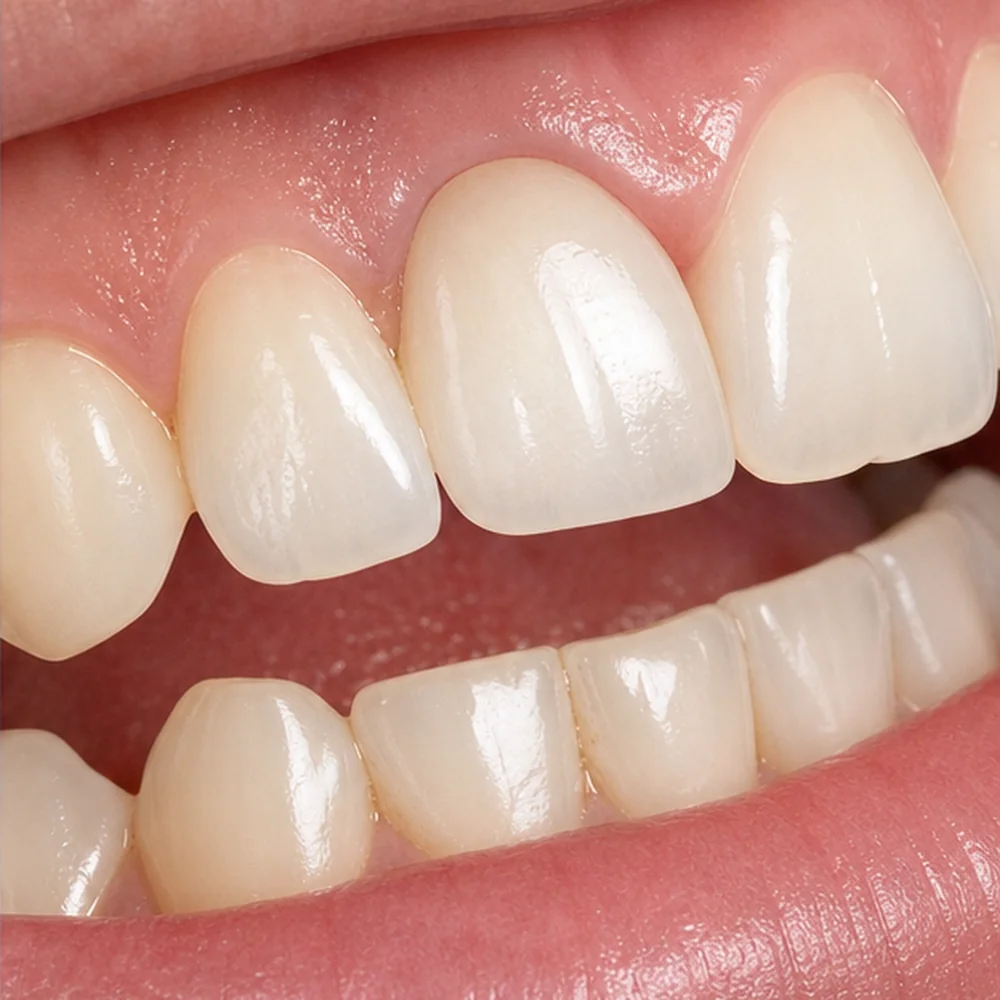
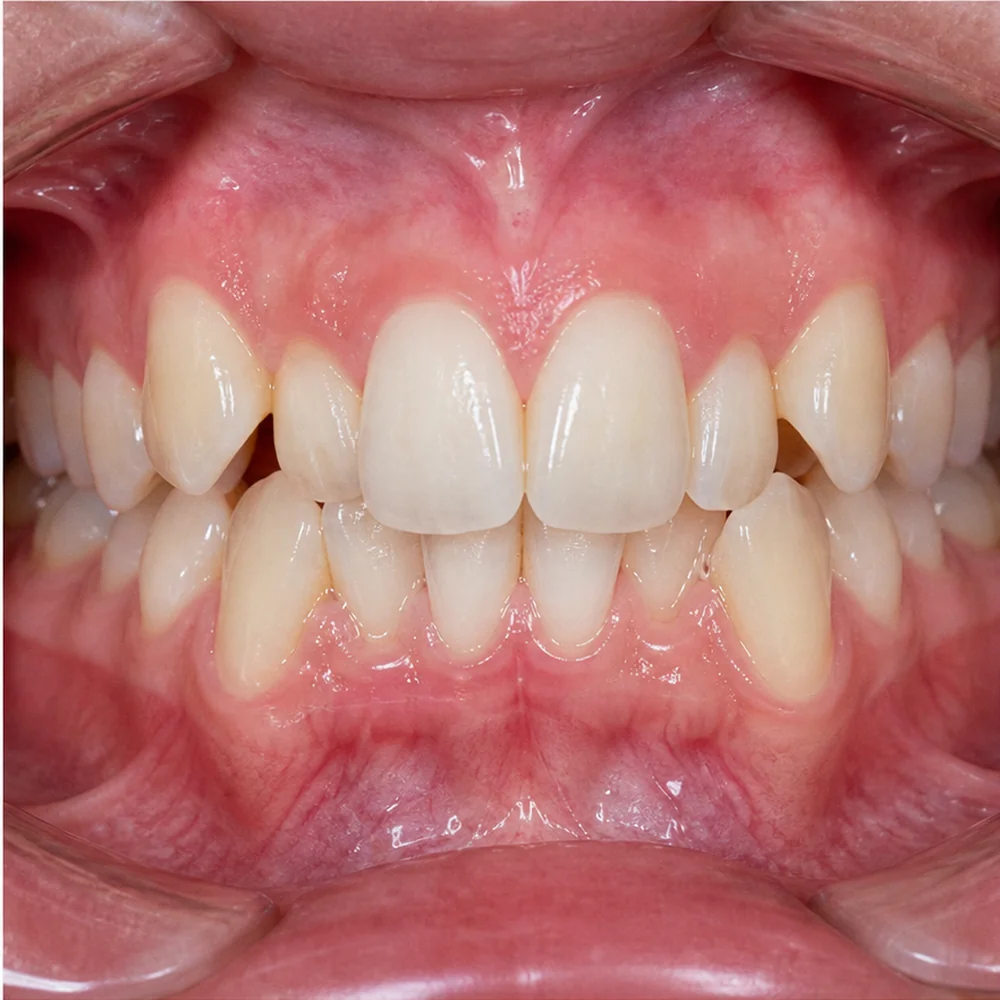
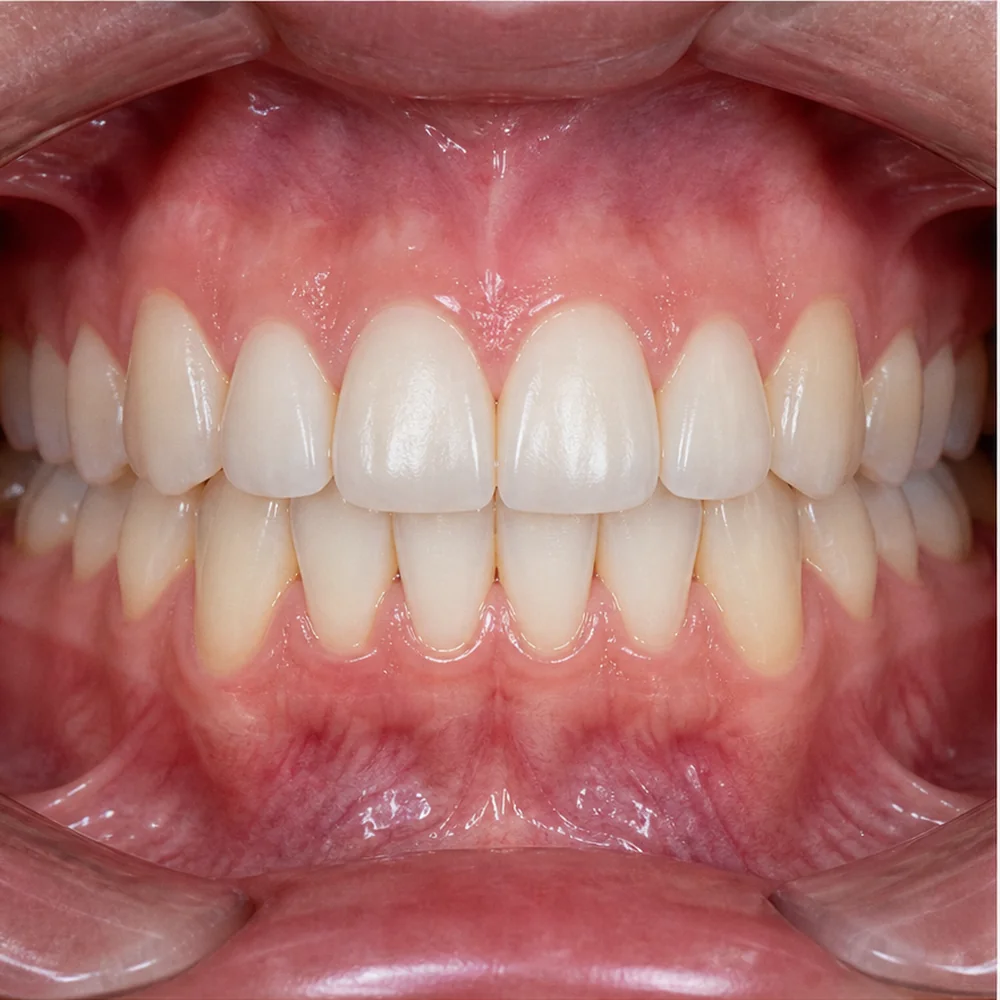
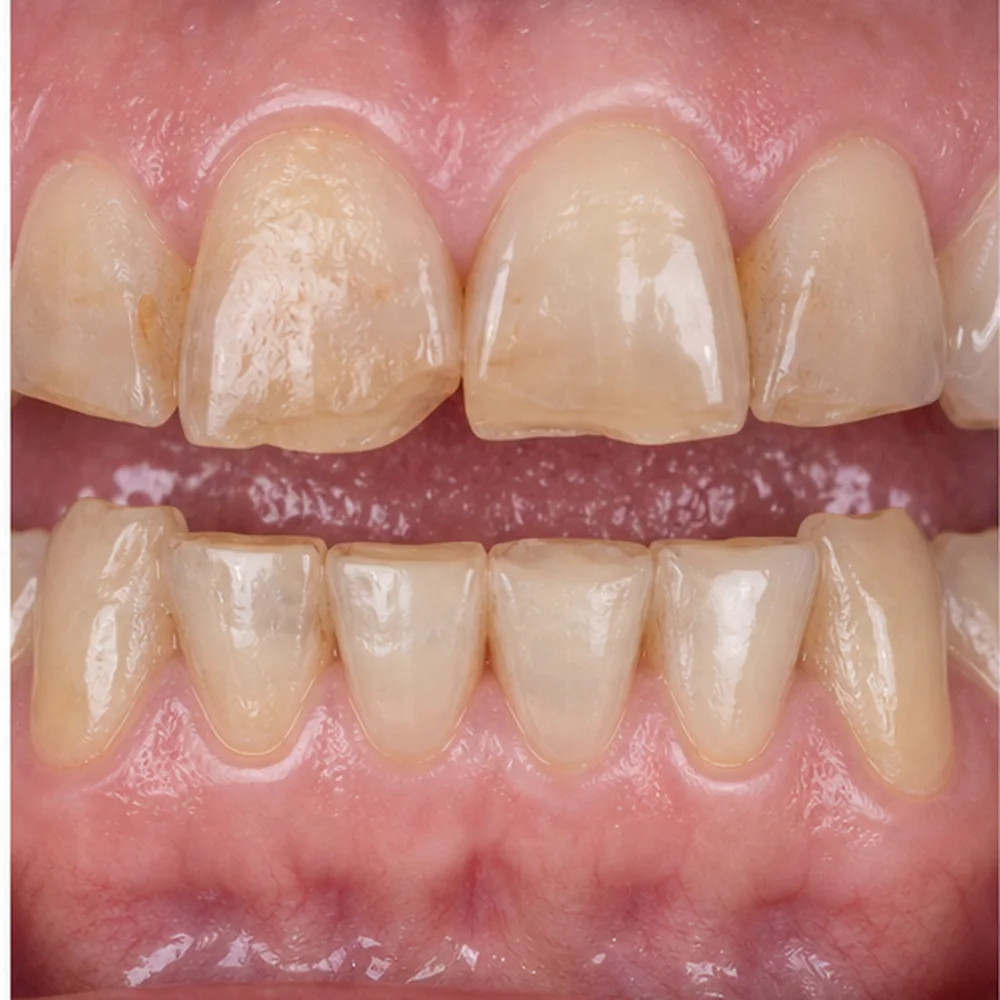
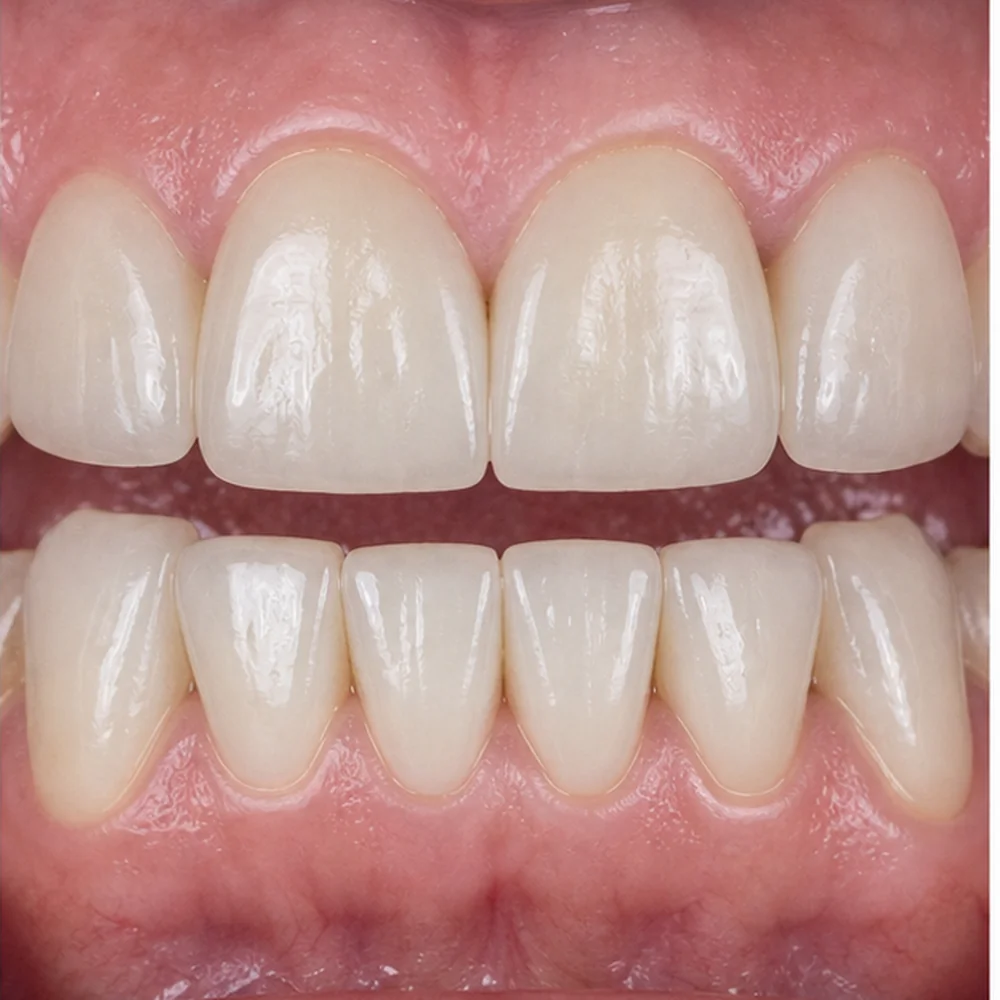
Endodontics — or root canal treatment, as patients commonly call it — is one of the most important branches of dental medicine, precisely because it allows you to keep your natural tooth even when infection has reached the root. At DentALL clinics in Bucharest and Râmnicu Sărat, endodontic treatments are performed under a dental microscope with precision digital radiology, delivering safe and lasting results.
What is endodontics and when do you need root canal treatment
Inside every tooth lies a space called the pulp chamber, which continues into the root canals — narrow, branching passages that house the dental pulp. This consists of nerves, blood vessels, and connective tissue, and plays an essential role in the development and vitality of the tooth. When the pulp becomes infected or irreversibly inflamed, the body cannot heal it on its own. This is where endodontics intervenes: the dentist thoroughly cleans the inside of the tooth, disinfects the canals, and seals them hermetically — preserving the crown structure and the root, meaning the entire tooth.
Many patients arrive at the endodontic office following an acute episode of pain, but there are also situations where infection progresses without major symptoms. This is why regular check-ups and routine X-rays are essential: a problem detected early means a simpler treatment and a greater chance of long-term success.
What does root canal treatment actually do? It eliminates the source of infection, stops the pain, and allows the tooth to remain functional for decades — provided it is properly restored afterward. It is not a dramatic procedure — it is a tooth-saving treatment that, performed under modern conditions, proceeds without significant discomfort.
Who is endodontic treatment recommended for
The indications for root canal treatment are well defined. Not every dental pain means you need endodontics, but there are clear signs that the pulp has been compromised and that teeth require more than a simple filling.
Deep decay reaching the pulp
Dental decay that goes undetected or untreated progresses through enamel and dentin until it reaches the pulp chamber. Once bacteria penetrate the pulp, inflammation — called pulpitis — can become irreversible. At this stage, a conventional filling is no longer sufficient. Complete removal of the affected pulpal tissue and root canal treatment become necessary.
Reversible and irreversible pulpitis
Reversible pulpitis manifests as heightened sensitivity to cold or sweet, which disappears quickly after the stimulus is removed. It can sometimes be managed through more conservative treatments. Irreversible pulpitis, on the other hand, is characterized by spontaneous, prolonged pain — often intensified at night or with heat — indicating that the pulp has lost its capacity for recovery. This is a clear indication for root canal treatment.
Pulp necrosis
When the dental pulp dies — whether due to advanced bacterial infection or trauma — it is referred to as pulp necrosis. Teeth with necrotic pulp may be completely asymptomatic for a period, as the nerve no longer transmits pain signals. Nevertheless, bacteria continue to multiply inside the canals and can cause abscesses or extensive infections of the alveolar bone.
Dental abscess
An apical abscess is a collection of pus that forms at the root tip as the body's response to bacterial infection. It can manifest as intense throbbing pain, swelling of the gum or face, sensitivity when touching the tooth, and sometimes fever. Root canal treatment is essential for eliminating the source of infection — antibiotics alone do not resolve the underlying problem.
Dental trauma
A strong blow — from an accident, a fall, or a sports impact — can affect the dental pulp even if the tooth appears intact externally. Trauma can cause pulpal inflammation, delayed necrosis, or calcification of the canals. Radiological and clinical monitoring after any significant dental trauma is important precisely to allow timely intervention.
Prolonged sensitivity or pain on percussion
If a tooth hurts when touched, when chewing, or if cold/heat sensitivity persists for more than a few seconds after removing the stimulus, an endodontic consultation is recommended. These symptoms suggest that the pulp is inflamed or that an infectious focus is developing.
Types of endodontic treatment
Modern endodontics is not limited to a single type of procedure. Depending on the clinical situation, the specialist will choose the most appropriate approach.
Primary endodontic treatment
This is the classic root canal treatment, performed for the first time on a tooth that has not been previously treated. The procedure involves precise diagnosis, biological and mechanical preparation of the canals, disinfection with specialized irrigating solutions, and three-dimensional obturation with biocompatible materials. It is the most common procedure and has high success rates when performed correctly and completely.
Endodontic retreatment
There are situations in which a previously root canal treated tooth shows signs of reinfection — recurring pain, abscess, or a pathological radiological image. The causes can vary: canals missed during the initial procedure (due to complex anatomy), incomplete obturation, or subsequent bacterial contamination. Retreatment involves removing the previous obturation materials, re-preparing and re-disinfecting the canals, followed by a new obturation. It is a more demanding procedure, but in many cases allows the tooth to be saved and extraction to be avoided.
Apicoectomy (endodontic surgery)
When conventional root canal treatment — primary or retreatment — cannot resolve the problem (for example, due to a fractured instrument in the canal, a persistent apical cyst, or anatomy that does not allow a conventional approach), apicoectomy is performed. This is a minor surgical procedure in which the dentist accesses the root tip through a gingival incision, removes the affected portion of the root, and seals the canal from the base. It is a backup procedure with good results in selected cases.
How root canal treatment is carried out, step by step
Knowing exactly what to expect significantly reduces anxiety. Here is what a modern endodontic procedure looks like at DentALL clinics:
Diagnosis and imaging. Before any procedure, the dentist clinically evaluates the tooth and takes a digital X-ray — we use RVG (radiovisography) systems with reduced radiation dose. In cases with complex anatomy or for evaluating extensive lesions, a CBCT (3D volumetric tomography) may be recommended, providing a precise three-dimensional image of the roots, canals, and surrounding bone. This diagnostic stage is fundamental — a successful root canal treatment begins with a complete understanding of the situation.
Local anesthesia. The procedure is performed under local anesthesia. We use modern techniques and next-generation anesthetics that ensure genuine patient comfort throughout the procedure. Contrary to popular belief, root canal treatment does not hurt — on the contrary, it relieves the pain caused by the infection.
Rubber dam isolation. Before opening the pulp chamber, the dentist applies a rubber dam — a rubber membrane that isolates the tooth from the rest of the oral cavity. This serves multiple purposes: it prevents contamination of the canals with bacteria from saliva, protects the patient from the irrigating solutions used, and creates a dry, clean working field. It is a quality standard in modern endodontics, not an optional extra.
Access to the pulp chamber and canal preparation. The dentist opens the crown of the tooth, identifies all canal orifices, and introduces precision endodontic instruments — manual or rotary nickel-titanium files — to clean, enlarge, and shape the canals. The working length is measured electronically (with an apex locator) and confirmed radiologically, to work exactly to the correct level without going beyond the root apex.
Irrigation and disinfection. Throughout mechanical preparation, the canals are continuously irrigated with disinfecting solutions — sodium hypochlorite and EDTA are most commonly used. These dissolve tissue debris and eliminate bacteria from the dentinal tubules. Disinfection is a critical stage: its effectiveness largely determines the long-term success of the treatment.
Canal obturation. Once the canals are clean, dry, and properly shaped, they are sealed three-dimensionally with biocompatible materials — gutta-percha and obturation cements. The goal is complete sealing, which prevents bacterial repopulation. Incorrect or incomplete obturation is one of the main causes of treatment failure and the need for retreatment.
Coronal restoration. Root canal treatment itself is not the end. An endodontically treated tooth loses part of its tooth structure and becomes more fragile over time. It is therefore essential that it be properly restored — most often with a dental crown that protects the root and restores masticatory function. A high-quality coronal restoration significantly extends the lifespan of the treated tooth.
The role of the dental microscope. At DentALL clinics, endodontic procedures are performed under a dental microscope. Magnification of 16–25x allows the dentist to visualize accessory canals, anastomoses, or unusual morphologies that would be invisible to the naked eye. The microscope makes the most difference in retreatments, calcified canals, and teeth with complex anatomy.
Recovery, risks, and common myths
One of the most important questions we receive is: "Will it hurt afterwards?" The honest answer is that mild sensitivity and slight discomfort when chewing in the first 2–3 days are normal and expected. The periapical tissues were inflamed, and the body needs a few days to recover. These symptoms are easily managed with common anti-inflammatory medications and resolve on their own.
Intense or persistent pain lasting more than a week is unusual and warrants evaluation by your dentist. This is why communication with the DentALL team after treatment is just as important as the procedure itself.
Myths about root canal treatment
"Root canal treatment is excruciatingly painful." This is the most widespread myth in dentistry. The reality is that the pain we associate with root canal treatment comes from the infection — not the procedure. Under modern anesthesia, the treatment is painless or associated with minimal discomfort. Many patients are pleasantly surprised once they have been through it.
"Better to extract the tooth than have a root canal." This decision may seem simpler in the short term, but the consequences of extraction are significant: neighboring teeth drift, bone height is lost, chewing becomes difficult, and eventually you face the cost of a dental implant or bridge. Saving the natural tooth — when possible — is always the first recommended option. A natural tooth, properly treated and restored, can last a lifetime.
"If it doesn't hurt anymore, it healed on its own." The disappearance of pain does not mean healing. It may mean that the pulp has necrotized — the nerve no longer responds, but the infection continues to advance silently, affecting the bone. A tooth that hurt intensely and then suddenly stopped hurting deserves immediate evaluation, not to be ignored.
"Root canal treatment weakens the tooth so much it can no longer hold." It is true that an endodontically treated tooth becomes more fragile if not properly restored. But a tooth treated and protected with a dental crown is strong and functional in the long term. The key is adequate coronal restoration, not abandoning treatment.
"A root canal treatment always means spending a whole day at the clinic." The duration of an endodontic procedure depends on the number of canals and the complexity of the case. A front tooth with a single canal can be treated in 60–90 minutes. Molars, with 3–4 canals and more complex anatomy, may require more time or two appointments.
Cost and what influences the price of endodontic treatment
We do not offer fixed prices for endodontic treatments, as the cost is determined by several individual factors that can only be assessed at consultation. Here is what influences the price:
Number of canals. Front teeth typically have one canal, premolars 1–2, and molars 3–4 or more. The more canals to treat, the more complex and lengthy the procedure.
Anatomical complexity. There are significant individual variations: curved, narrow, partially calcified, or unusually bifurcated canals. Complex anatomy requires more time, specialized instruments, and expertise — all of which are reflected in the cost.
Retreatment vs. primary treatment. Endodontic retreatment is generally more complex than primary treatment — it involves removing previous obturation materials and managing potential complications. The cost is usually higher.
Use of the microscope and diagnostic technology. Procedures performed under a dental microscope, with electronic apex location and precision digital radiology, involve investment in equipment and specialists — which is justified by the higher quality and success rates.
Subsequent coronal restoration. The endodontic treatment itself does not include rebuilding the crown. The total cost must also account for the final restoration — filling or crown — which is essential for long-term success.
At the initial consultation, the dentist evaluates your situation and provides a transparent treatment plan with all costs detailed. There are no surprises.
Why choose DentALL for root canal treatment
Endodontics is a specialty where equipment, experience, and protocol make the difference between a successful treatment and one at risk of failure. At BUTE DENTALL CLINIC in Bucharest and DENTALL M in Râmnicu Sărat, we have built an environment where patients benefit from all the conditions for a lasting result.
Dental microscope in every endodontic procedure. We don't use it occasionally — it is part of our standard protocol. High magnification allows identification of all canals, including accessory or calcified ones, and precise execution of each stage. Canals unseen by the naked eye are canals left untreated — a frequent cause of failure.
Digital radiology with reduced dose and CBCT. Digital RVG X-rays reduce radiation exposure compared to conventional techniques and provide high-resolution images immediately available. When anatomy requires it, CBCT provides a complete three-dimensional representation — essential for planning retreatments or complex cases.
A team of 14 specialists with continuous training. We do not rely on a single dentist for all situations. Our team includes dentists with specialized training in endodontics who manage increasingly complex cases. Protocols are identical in both clinics, so the standard of care does not depend on which location you visit.
Over 10,000 patients treated. The experience accumulated in both locations has allowed us to refine every stage of the process — from scheduling and diagnosis to final restoration and post-operative follow-up.
Traceable sterilization and rigorous protocols. Every instrument used in endodontic procedures undergoes a monitored and documented sterilization cycle. Hygiene standards are non-negotiable — for the safety of every individual patient.
Genuine comfort in the clinic. We understand that dental anxiety is common and that endodontic procedures are a particular source of concern. This is why we take time to explain, ensure effective anesthesia before starting, and maintain communication throughout the treatment. No step is taken without your consent and comfort.
Continuity of care. Root canal treatment is one stage — not an endpoint. The endodontist works closely with the prosthodontist or restorative dentist to plan the optimal coronal restoration. Internal team coordination means you don't have to "translate" information from one specialist to another.
Conclusion and invitation to book an appointment
Root canal treatment is no longer the dreaded procedure it was decades ago. With modern anesthesia, a dental microscope, precision digital radiology, and a well-established protocol, endodontics today is a safe, comfortable procedure with predictable results. The most important thing we can say is this: the longer you wait, the more complex and costly the situation becomes to resolve. A tooth with deep decay or an inflamed pulp today may become an abscess, an extensive infection, or, in the worst case, an inevitable extraction tomorrow.
If you feel spontaneous pain, prolonged sensitivity, or if you know you have a problem tooth you've been putting off, now is the time to act. DentALL welcomes you at both clinics — in Bucharest and in Râmnicu Sărat — with a team ready to assess the situation and propose the right solution, not the easiest one.
Book a consultation now and discover what modern dental care truly means. The first step is yours — fill in the online appointment form and our team will quickly confirm a convenient time.