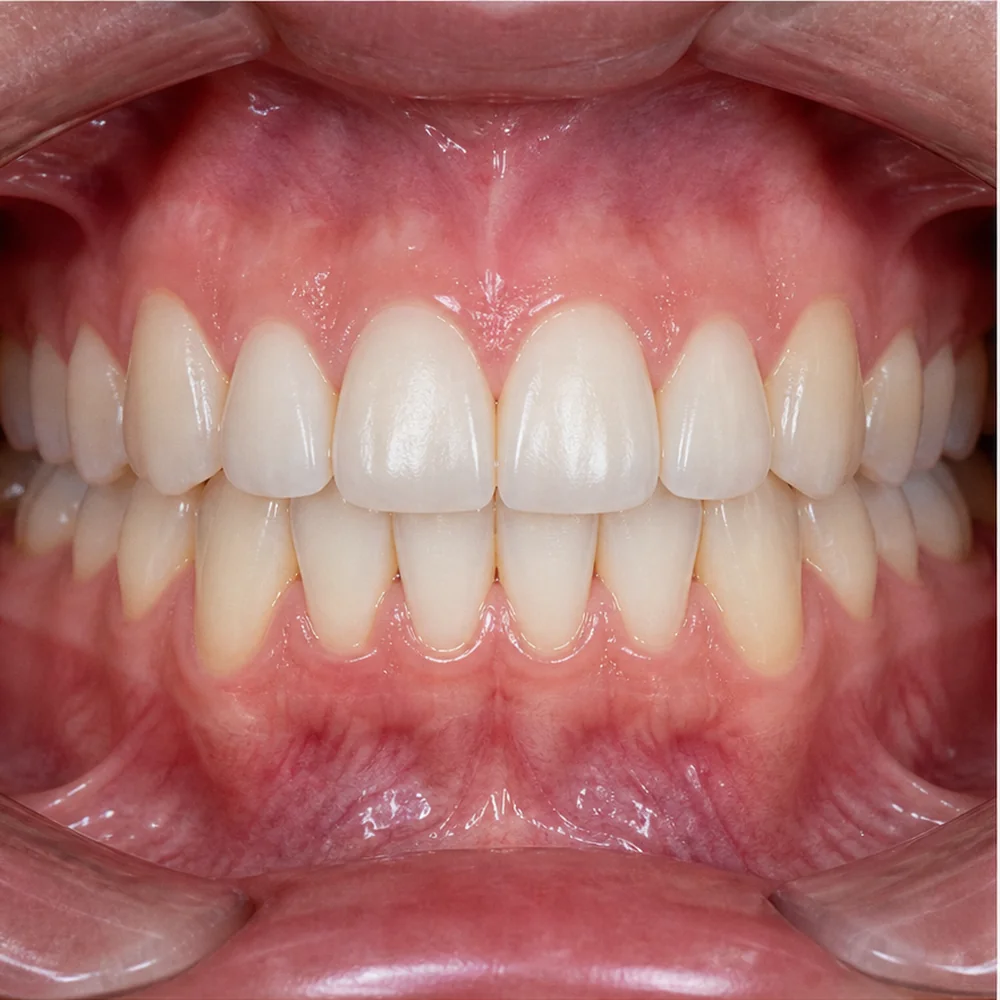
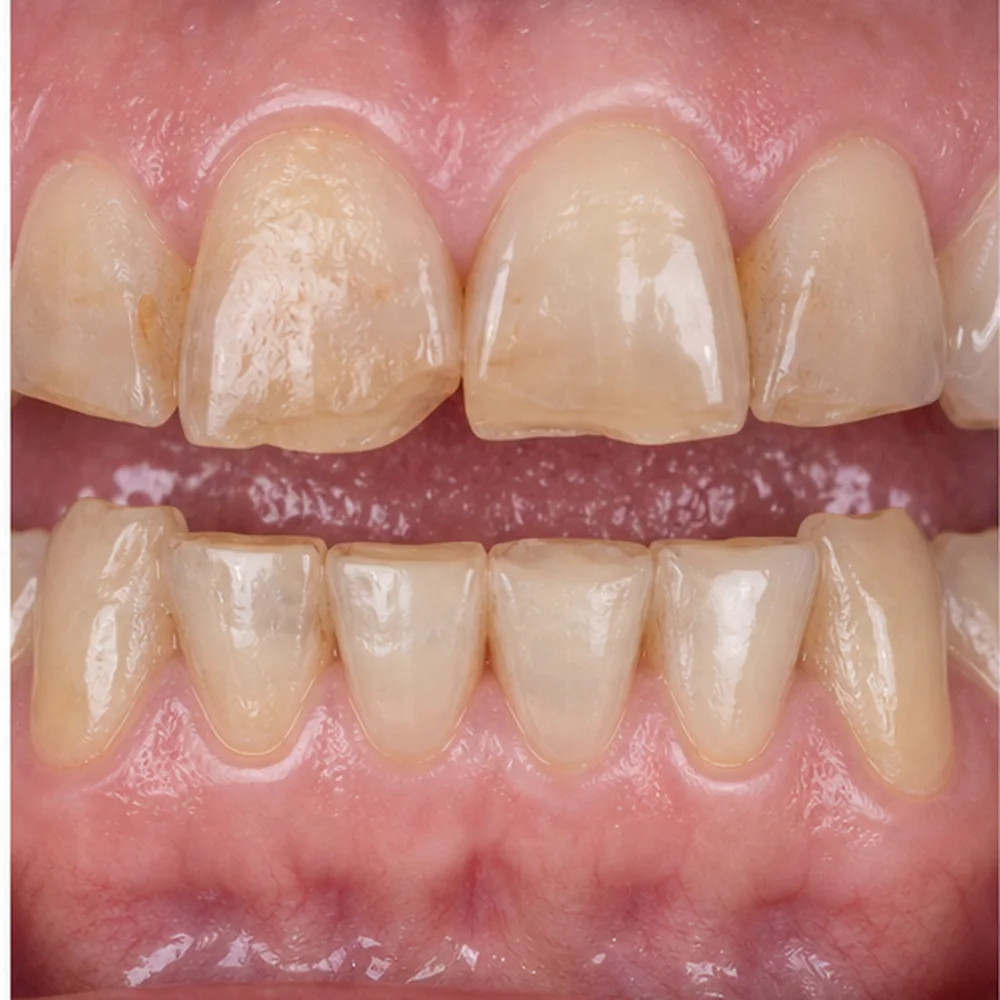
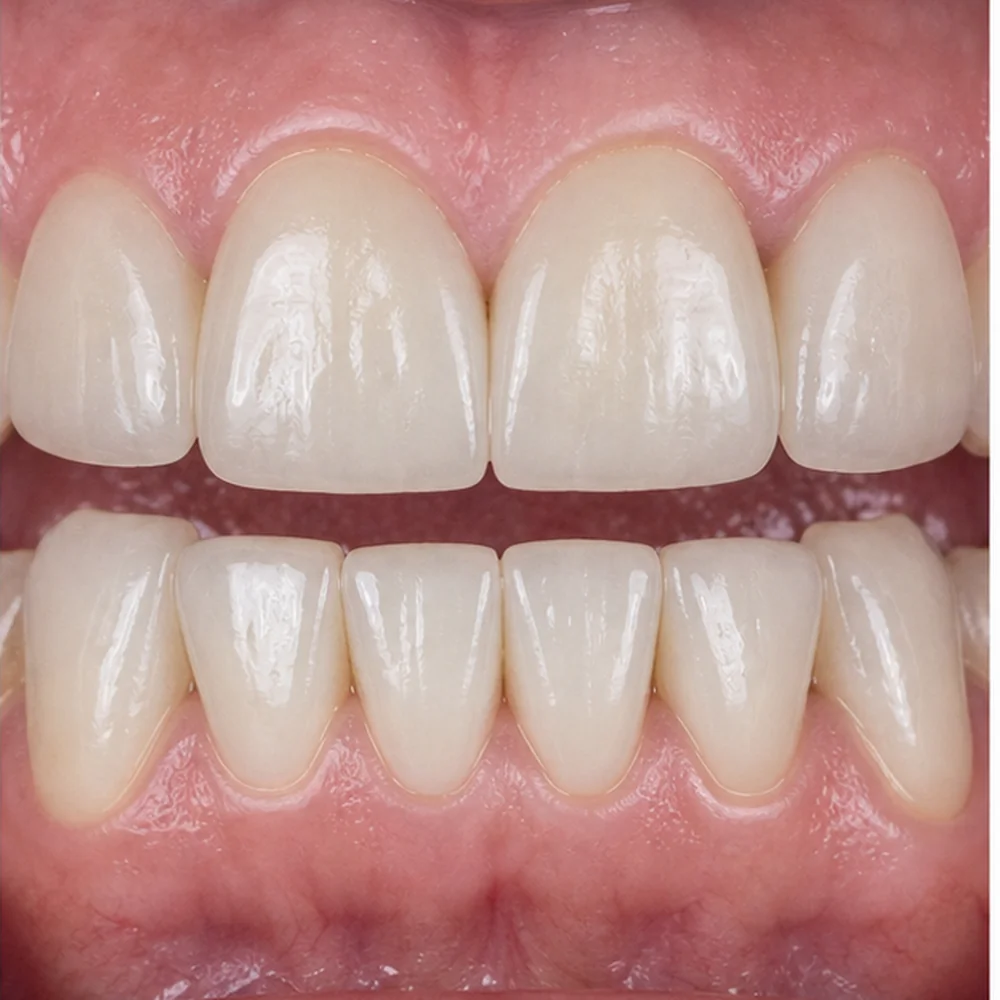
Dental implantology is today the solution most closely approximating a natural tooth — a modern, durable, and comfortable option for those who have lost one or more teeth. At BUTE DENTALL CLINIC in Bucharest and DENTALL M in Râmnicu Sărat, implantology is treated as a specialty in its own right, with individualized 3D planning, an experienced surgical team, and identical protocols at both clinics, so that every patient benefits from the same high standard of care.
What is a dental implant and when do you need one
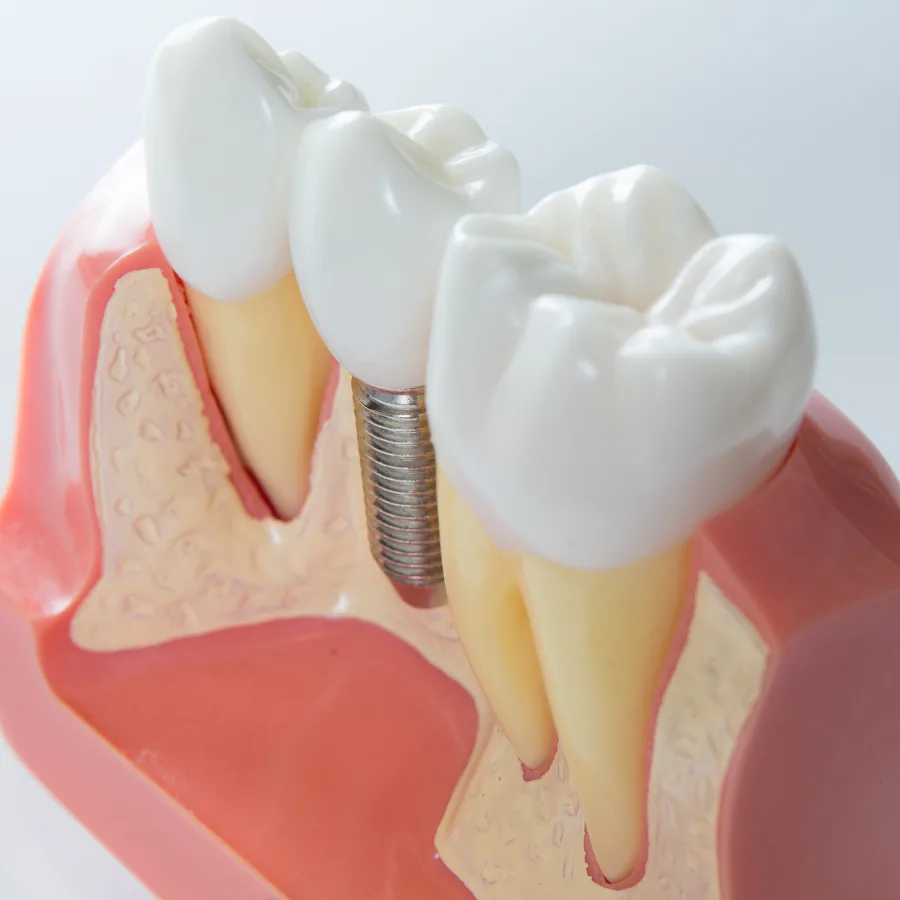
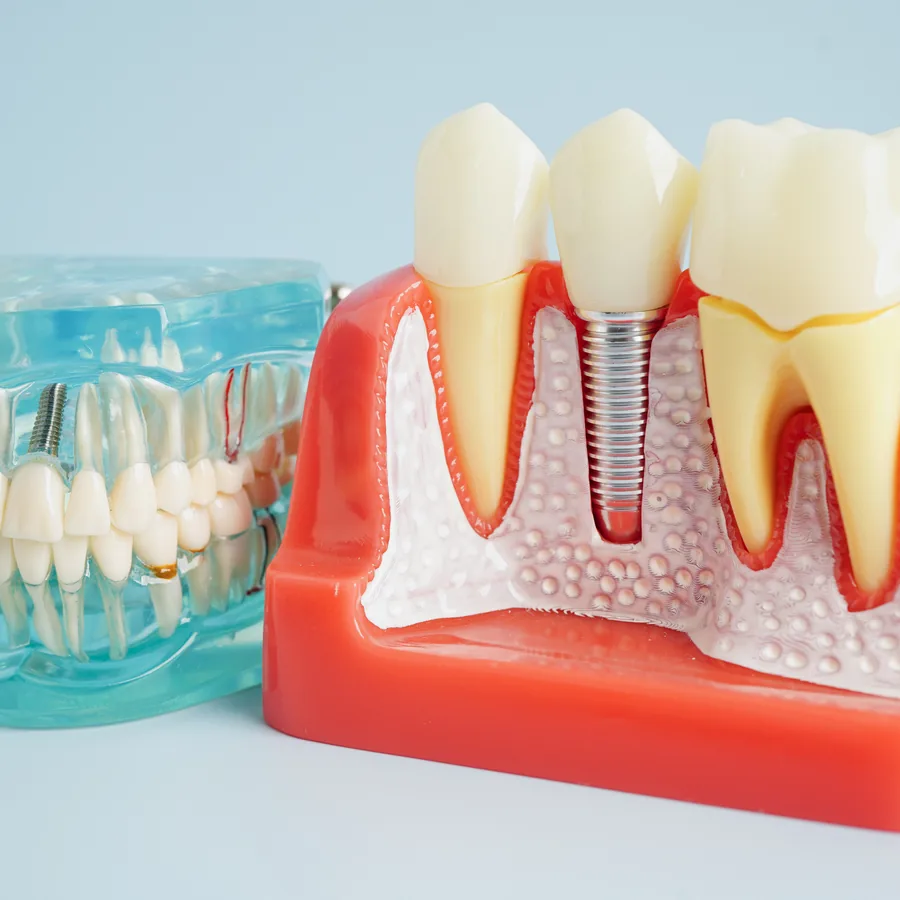
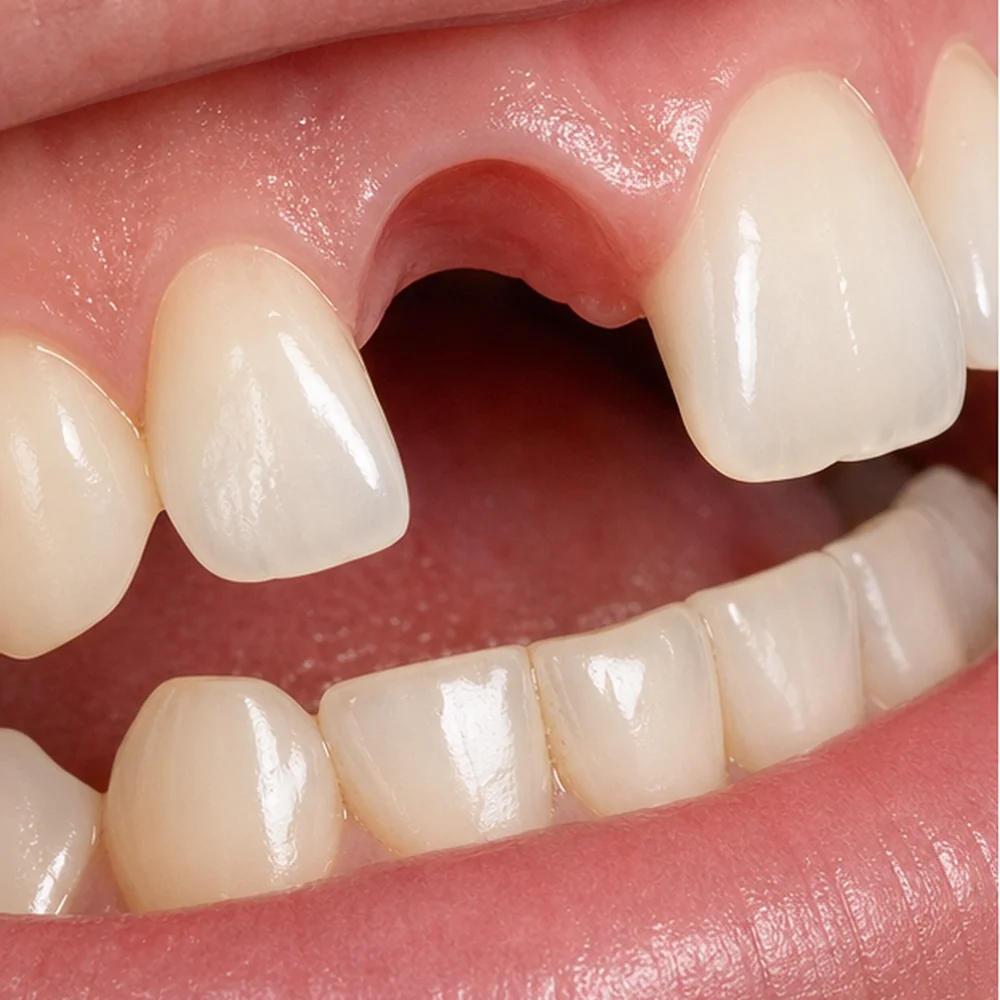
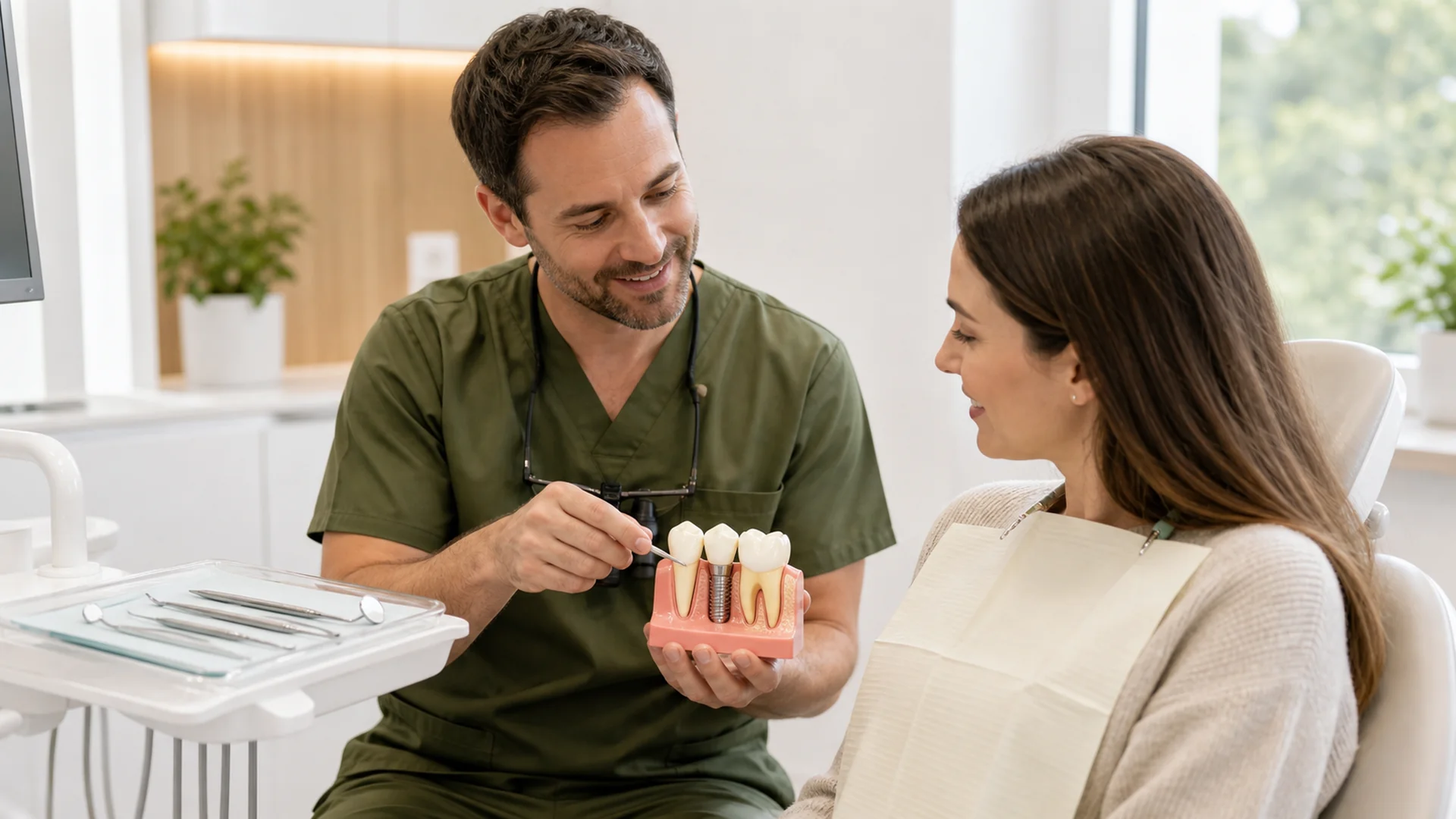
A dental implant is, in essence, an artificial root — a small screw, typically made of titanium or zirconia alloys, surgically inserted into the upper or lower jawbone. Once integrated into the bone, it becomes the support for a crown, bridge, or fixed denture, restoring both chewing function and the aesthetic appearance of your smile.
The reason a dental implant is considered the gold standard for replacing missing teeth lies in how it interacts with the bone. Unlike a conventional bridge — which requires grinding down healthy neighboring teeth — or a removable denture — which rests on the gum and residual bone, accelerating its resorption — an implant transfers chewing forces directly into the bone, stimulating it and maintaining its volume. In effect, the bone "believes" the natural root is still there.
The loss of a tooth, however insignificant it may seem at first, triggers a series of changes over time: neighboring and opposing teeth drift, chewing becomes imbalanced, the bone in the gap area progressively resorbs, and the temporomandibular joint can be affected. The longer treatment is delayed, the more complex the procedure becomes. This is one of the reasons why specialist dentists recommend evaluation as soon as possible after tooth loss.
Who is a dental implant recommended for
Modern implantology covers a very wide range of clinical situations. There is no upper age limit for implants — the essential condition is that bone growth is complete (generally after age 18) and that general health permits the surgical procedure. The dentist will evaluate each patient individually, taking into account relevant local and systemic factors.
Single-tooth loss
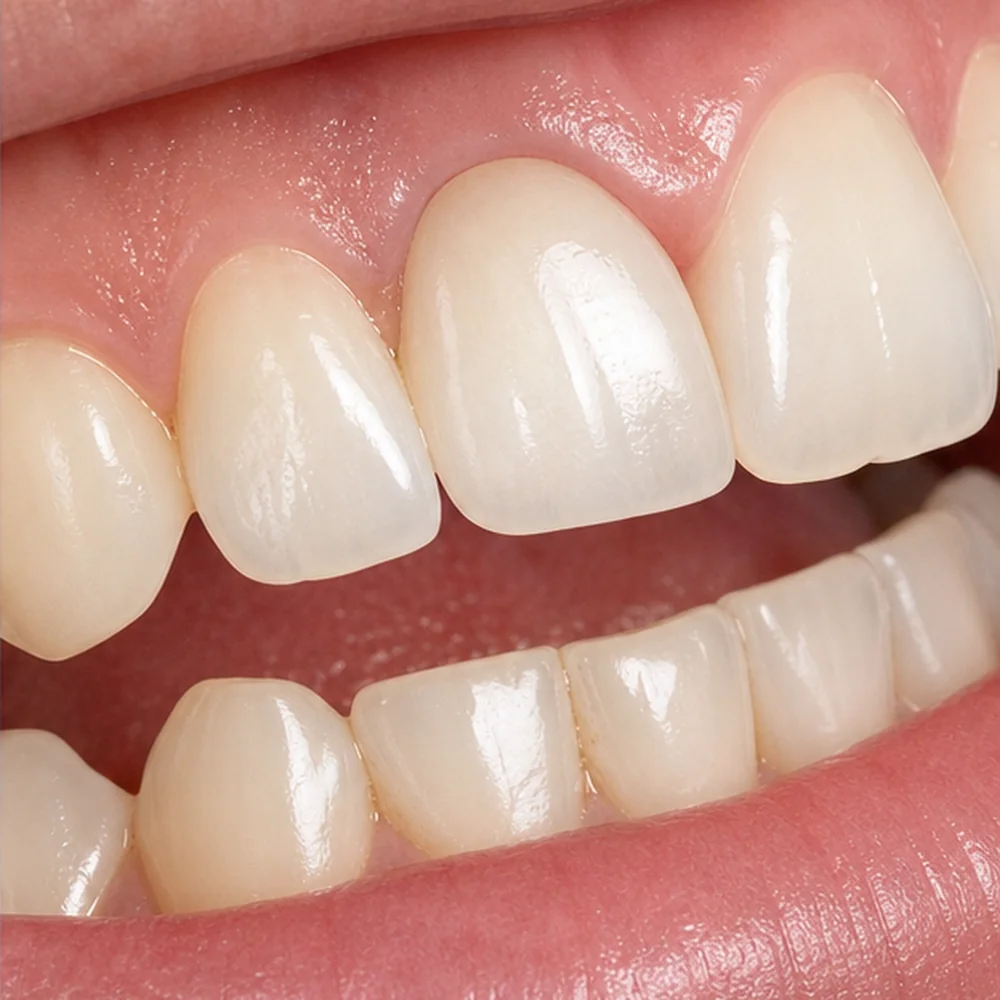
This is the most common case and also the situation where the advantage of an implant over conventional alternatives is most evident. A single implant replaces the missing tooth without touching the neighboring teeth: the crown is fixed to the implant, and the healthy surrounding teeth remain intact. A conventional bridge would have required grinding and covering at least two healthy teeth — an irreversible sacrifice of tooth structure that, in the long term, increases the risk of decay and pulp disease in those units.
Multiple missing teeth
When several teeth are missing from different parts of the arch, implants can be placed individually or can support implant-supported bridges. This solution eliminates the need for removable partial dentures, which are often uncomfortable, can cause instability during chewing, and require additional care. Bridges fixed on implants behave like natural teeth: the patient eats, speaks, and smiles normally, without worrying that the denture might slip.
Full edentulism — all teeth missing from an arch
Fully edentulous patients have benefited most spectacularly from advances in implantology. All-on-4 or All-on-6 solutions allow an entire arch of teeth to be fixed on four or six strategically placed implants — without needing an implant for every tooth. The result is a fixed, stable, aesthetic prosthesis that does not need to be removed at night and restores the patient's comfort and confidence in a complete smile. Compared with a conventional full denture, the quality-of-life difference is significant: no instability, no gum irritation, no severe dietary restrictions.
Alternative to conventional bridge or removable partial denture
Many patients arrive at an implant consultation already wearing a removable denture they are uncomfortable with, or an older bridge that has started showing problems. Implants represent a biologically and functionally superior alternative in both cases — provided the bone and periodontal condition allow insertion. This is why the initial evaluation is essential before any treatment decision.
Types and implant treatment options
There is no single solution for all patients. The treatment plan is built from an individual diagnosis, the quantity and quality of available bone, the number and position of missing teeth, and each patient's expectations and circumstances.
Single implant with crown
This is the classic solution for a single missing tooth. It consists of three components: the implant itself (the titanium or zirconia screw inserted into bone), the abutment (the connecting piece, sometimes custom-made), and the crown (the visible restoration that mimics the natural tooth in shape, color, and translucency). The crown can be made of zirconia, pressed ceramic on metal, or full ceramic, depending on the position in the arch and the patient's aesthetic preferences.
Implant-supported bridge
When two or more consecutive teeth are missing, multiple implants can support a fixed bridge — eliminating the need for natural tooth supports as in a conventional bridge. This solution is more efficient in terms of the number of implants needed and can restore extensive areas of tooth loss with excellent functional and aesthetic results.
All-on-4 and All-on-6 — full fixed arch on implants
These protocols represent one of the most significant innovations in modern implantology. Through the strategic placement of four or six implants per arch — often with posteriorly tilted implants to take advantage of available bone without grafting — it is possible to immediately or subsequently mount a complete set of fixed teeth. Patients who have lived for years with removable dentures or without teeth discover that they can eat, speak, and smile again naturally and with confidence.
Mini-implants
Mini-implants are implants with a smaller diameter, indicated in specific situations: narrow spaces between roots, limited bone volume where grafting is not possible or preferred, or stabilization of full removable dentures. Although less versatile than standard implants, they represent a valuable option in selected cases.
Titanium vs. zirconia — implant materials
Titanium is the material with the longest clinical documentation in implantology — decades of use and thousands of studies confirm its exceptional biocompatibility and high osseointegration rate. Zirconia (zirconium oxide) is a more recent alternative with aesthetic advantages — its white color eliminates any risk of metal showing through the gum, which is relevant especially in the front of the mouth with thin gingival tissue. The choice of material is made with the dentist, based on the clinical situation and patient preferences.
Special situations: insufficient bone and advanced planning
One of the most common concerns patients have is that they "no longer have enough bone" for an implant. Bone resorption after tooth extraction is a natural and progressive phenomenon — the longer it has been since tooth loss, the more likely it is that bone volume has decreased. The good news is that modern dental medicine has effective solutions for these situations.
Bone grafting (bone augmentation) is the procedure in which bone material — autologous, from the patient, or a biocompatible bone substitute — is added to the deficient area to create sufficient support for an implant. This procedure can be performed simultaneously with implant insertion or in a prior stage, depending on the extent of the deficit.
Sinus lift is a specialized form of bone augmentation used in the lateral area of the upper jaw, where the maxillary sinus can extend very close to the bone crest, leaving insufficient space for implants. By raising the sinus floor and adding bone material in the space created, the dentist can obtain the bone needed for a stable and lasting implant.
Planning these procedures benefits enormously from cone beam computed tomography (CBCT) — available at DentALL clinics. This 3D investigation provides a complete picture of the bone structure, sinuses, mandibular canal, and roots of neighboring teeth, allowing the dentist to evaluate the volume and density of available bone with millimetric precision, choose the optimal dimensions and position for the implant, and anticipate potential complications before the patient sits in the dental chair.
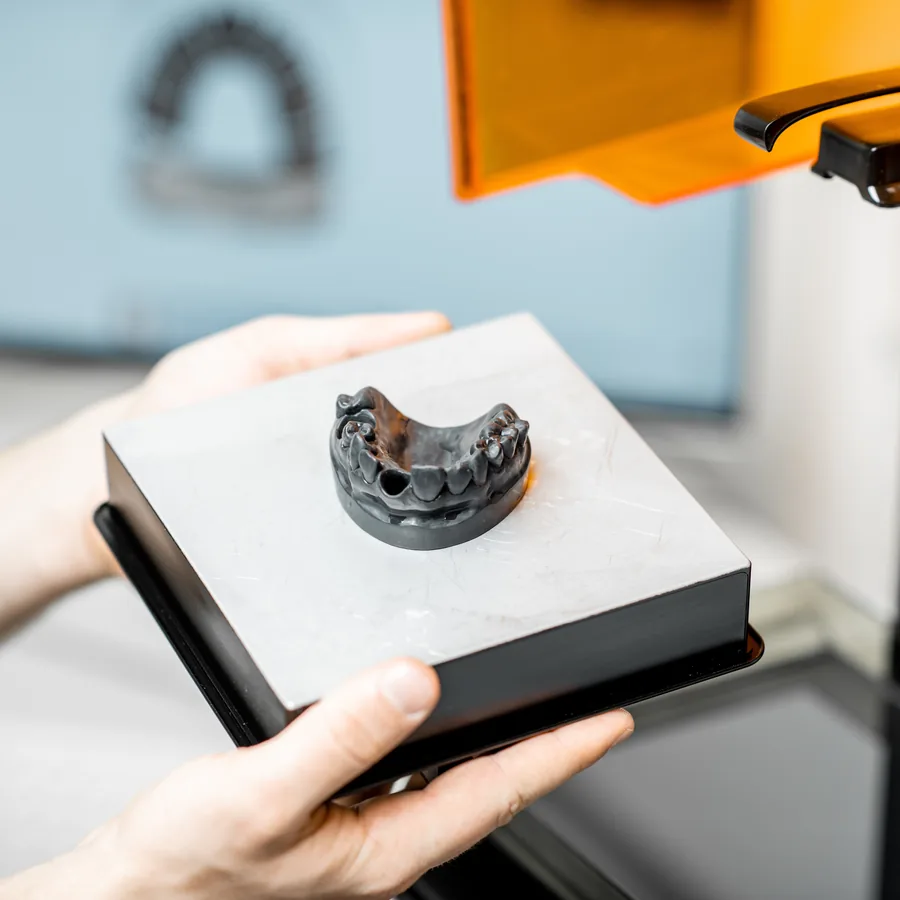
In complex cases, virtual planning on CBCT also allows the creation of a surgical guide — a custom-made template that guides the drills and implant to exactly the position planned on the computer, reducing the duration of the procedure and increasing precision and predictability of results.
How treatment is carried out, step by step
Implant treatment is a structured process that unfolds in several clear stages. Understanding these stages helps patients know what to expect and prepare accordingly.
The initial consultation and investigations are the starting point. The dentist evaluates the remaining teeth, gums, and bone; discusses the patient's medical history; analyzes X-rays; and, when necessary, recommends a CBCT for a complete three-dimensional image. At this stage it is determined whether the implant is indicated, whether additional procedures are needed (extractions, periodontal treatment, bone grafting), and a personalized treatment plan is outlined.
Implant insertion is the surgical procedure itself. It takes place under local anesthesia and generally takes no more than 30–60 minutes for a straightforward implant, depending on the complexity of the case. The dentist prepares the bone through progressive drilling, inserts the implant with a precision device that controls insertion torque, then covers the area with a healing cap or, in certain cases, a provisional tooth.
Osseointegration is the process by which the bone grows around the implant and "adopts" it as part of its own structure. This biological process is essential for the long-term stability of the implant and takes on average 3 to 6 months — shorter in the lower jaw (denser bone) and longer in the upper jaw or after bone grafting. The patient does not feel this process; there are only restrictions on loading the area in the first few weeks.
Prosthetic restoration — fitting the crown or final prosthesis — takes place after osseointegration is confirmed. The dentist fits the abutment on the implant and takes an impression (conventional or digital, with a 3D intraoral scanner), from which the dental technician fabricates the crown or prosthetic work. The crown is cemented or screwed onto the abutment, completing the restoration.
Recovery, risks, and common myths
Recovery after implant insertion is, for most patients, far more comfortable than expected. In the first 24–48 hours, mild to moderate pain, local swelling, and sometimes bruising on the cheek may occur — all normal and controllable with medications prescribed by the dentist. A semi-liquid or soft diet is recommended for the first week. Intense physical activity and smoking should be avoided for at least the first month, as they can compromise healing.
Long-term implant care is not fundamentally different from natural tooth hygiene: twice-daily brushing with a medium or soft brush, using dental floss or interdental brushes, and regular check-ups at the dental office. The lifespan of a well-integrated and well-maintained implant can exceed 20–30 years — many patients keep theirs for life.
The success rate of implants in the specialist medical literature consistently exceeds 95% over 10-year follow-up periods. Factors that can negatively influence osseointegration include heavy smoking, uncontrolled diabetes, certain medications (e.g., bisphosphonates), and poor oral hygiene. The dentist will evaluate these factors before recommending treatment and will suggest, if necessary, measures to optimize local and systemic conditions.
Common myths about dental implants
"Implants are excruciatingly painful." This is probably the most widespread myth. The insertion procedure takes place under local anesthesia — the area is completely numb, and the patient feels no pain during the procedure. Post-operative discomfort is generally less than that felt after an extraction and is effectively managed with standard analgesics. Conscious sedation or anxiolytic premedication is available for patients with high anxiety.
"My body will reject the implant." The titanium and zirconia used in implantology are materials with excellent biocompatibility, medically certified, and do not trigger immunological rejection reactions — which are specific to organ transplants. Implant failure, when it occurs, is mainly caused by infection (peri-implantitis), insufficient unidentified bone quality, or uncontrolled systemic factors — not by immune "rejection."
"I'm too old for an implant." Biological age is not an exclusion criterion in implantology. Patients aged 70, 75, or even 80 benefit from implants with success rates comparable to younger patients, provided general health is good or well-controlled. What matters is the quality and quantity of bone, not the patient's age.
"An implant feels like a foreign body." Once integrated and covered with a well-fitted crown, an implant restoration is, for the vast majority of patients, sensorially indistinguishable from a natural tooth. Patients report that after a short time, they completely forget they have an implant.
"Implants require complicated maintenance." On the contrary — unlike removable dentures, which are taken out and cleaned separately, implants are cared for the same way as natural teeth. No special soaking solutions, no denture adhesive, no discomfort from removing a denture at night.
Cost of dental implants and what influences the price
Implantology is a treatment that involves multiple factors and stages, and the cost varies significantly from patient to patient. This is precisely why it is not possible to offer a generic price without an individual evaluation — a figure without context would be misleading rather than informative. What can be explained are the elements that influence the final budget.
The number of implants is the most direct factor: a single implant will cost less than four or six. For All-on-4 or All-on-6 solutions, the overall cost is higher, but relative to the number of teeth restored and the long-term benefits, the economic value is superior to conventional alternatives over time.
The implant material influences the price — zirconia implants tend to be more expensive than titanium ones. The manufacturer brand and implant system chosen (some brands have extensive clinical documentation and protocols validated over decades) also contribute to the cost.
The type and material of the crown or prosthetic work is another important component. A full ceramic zirconia crown is more expensive than a metal-ceramic one, but offers superior aesthetic and biocompatibility advantages, especially in visible areas.
The need for additional procedures — bone grafting, sinus lift, dental extractions, prior periodontal treatment — increases complexity and, consequently, the total treatment cost.
Imaging investigations, especially CBCT, are a component of the treatment plan that, while adding an initial cost, pays for itself through greater predictability of results and reduced risk of complications.
At DentALL, the initial consultation includes a detailed evaluation with a personalized cost estimate before any procedure begins, so that the patient can make an informed decision without financial surprises along the way.
Why choose DentALL for implantology
Implantology is a specialty where the experience of the team, the precision of diagnosis, and the quality of materials make the difference between an implant that lasts decades and one that fails prematurely. At DentALL clinics — BUTE DENTALL CLINIC in Bucharest and DENTALL M in Râmnicu Sărat — this discipline benefits from technical and human resources at the highest level.
Implant planning is based on CBCT tomography, available in-house, which allows 3D evaluation of the bone before any procedure. This investigation eliminates uncertainties and allows the dentist to choose the optimal position, length, and diameter of the implant with surgical precision — not through visual or two-dimensional radiographic estimation.
Surgical procedures take place in rooms equipped with modern equipment, sterilized through traceable cycles, guaranteeing the complete safety of every procedure. All sterilization steps are documented — an additional guarantee that asepsis protocols are followed without compromise.
The DentALL team has 14 specialists with complementary training, meaning that patients with complex situations — requiring, for example, both periodontal treatment and implantology and prosthetic restoration — are treated by different specialists who work in coordination within the same group. There is no discontinuity of information, no risk of conflicting treatments.
The accumulated clinical experience — over 10,000 patients treated in both clinics — gives DentALL dentists familiarity with a wide range of clinical situations, from simple cases to complex full-arch reconstructions after years of edentulism. Protocols are identical in Bucharest and Râmnicu Sărat, which means a patient who begins treatment at one location and needs to continue at the other will find the same level of competence and the same standards of work.
Last but not least, DentALL's approach is patient-centered: every treatment plan is explained in detail, every question receives a clear answer, and decisions are made together with the patient, not for them. The tone is calm, without pressure, without overselling — because a well-planned and well-executed implant treatment speaks for itself through results.
Conclusion — Take the first step toward a complete smile
Losing a tooth is no longer a problem without a good solution. Modern implantology offers the possibility of restoring missing teeth in a natural, durable, and comfortable way — whether it is a single tooth, several, or a complete arch. With rigorous planning, high-quality biocompatible materials, and an experienced team, a dental implant can be the best investment you make in your long-term health and comfort.
If you have missing teeth and want to find out whether an implant is the right solution for you, the first step is an evaluation consultation. The specialist dentists at BUTE DENTALL CLINIC in Bucharest and DENTALL M in Râmnicu Sărat will analyze your individual situation, explain all available options, and provide a clear, personalized treatment plan — without pressure, without commitment before you are fully informed.
Book online at programare.php or contact the clinic closest to you. The first step toward a complete, functional smile may be simpler than you think.