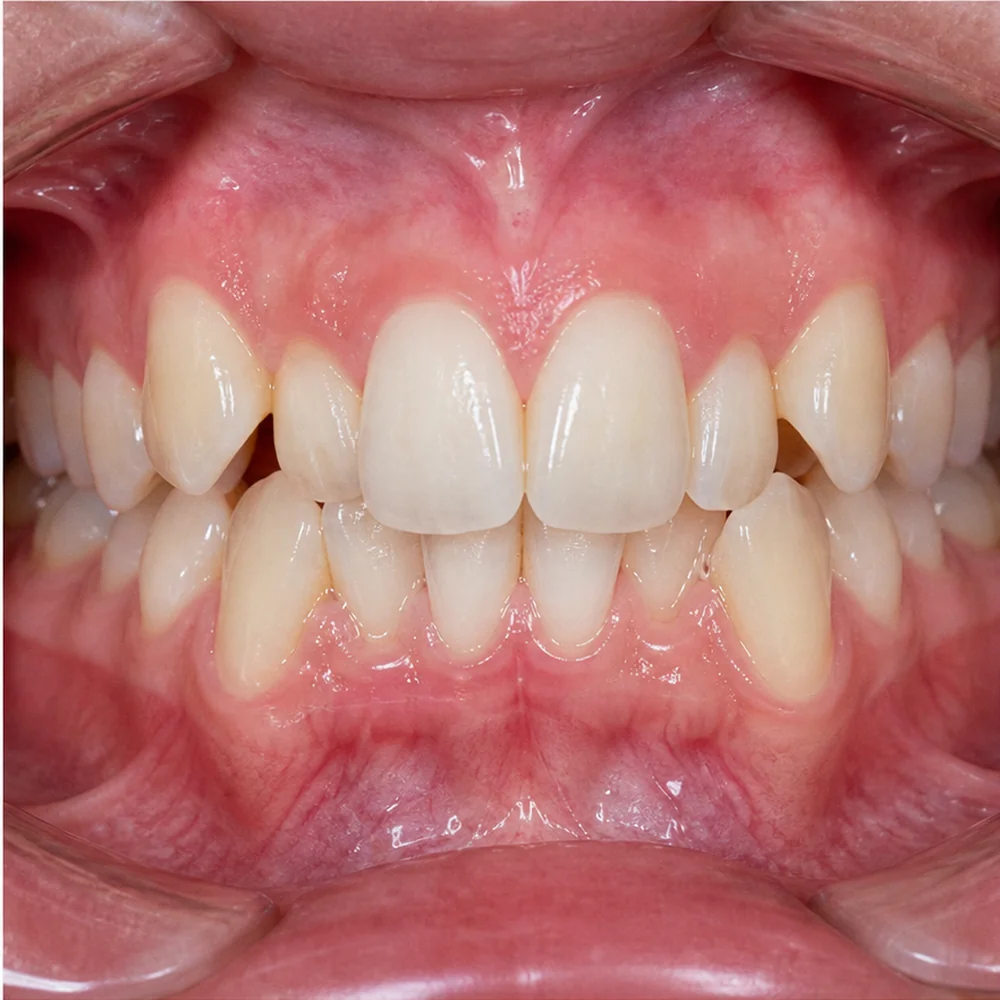
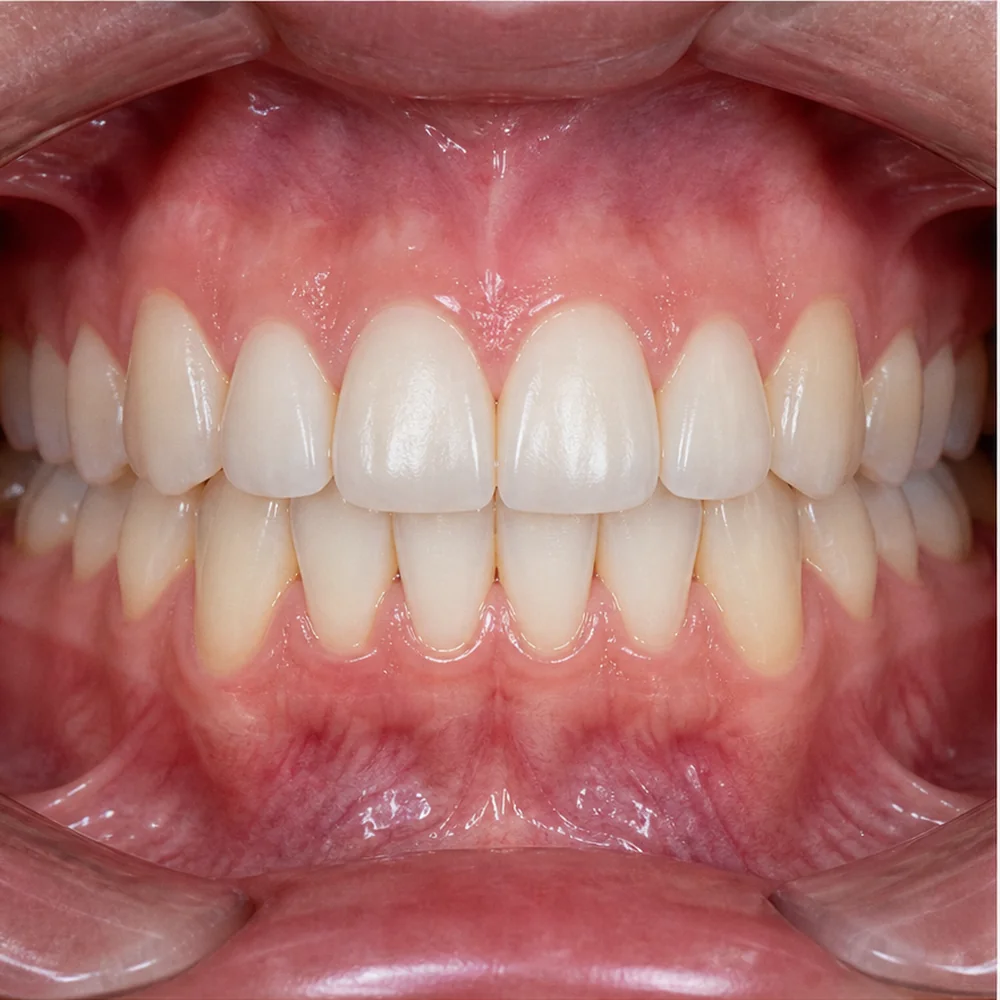
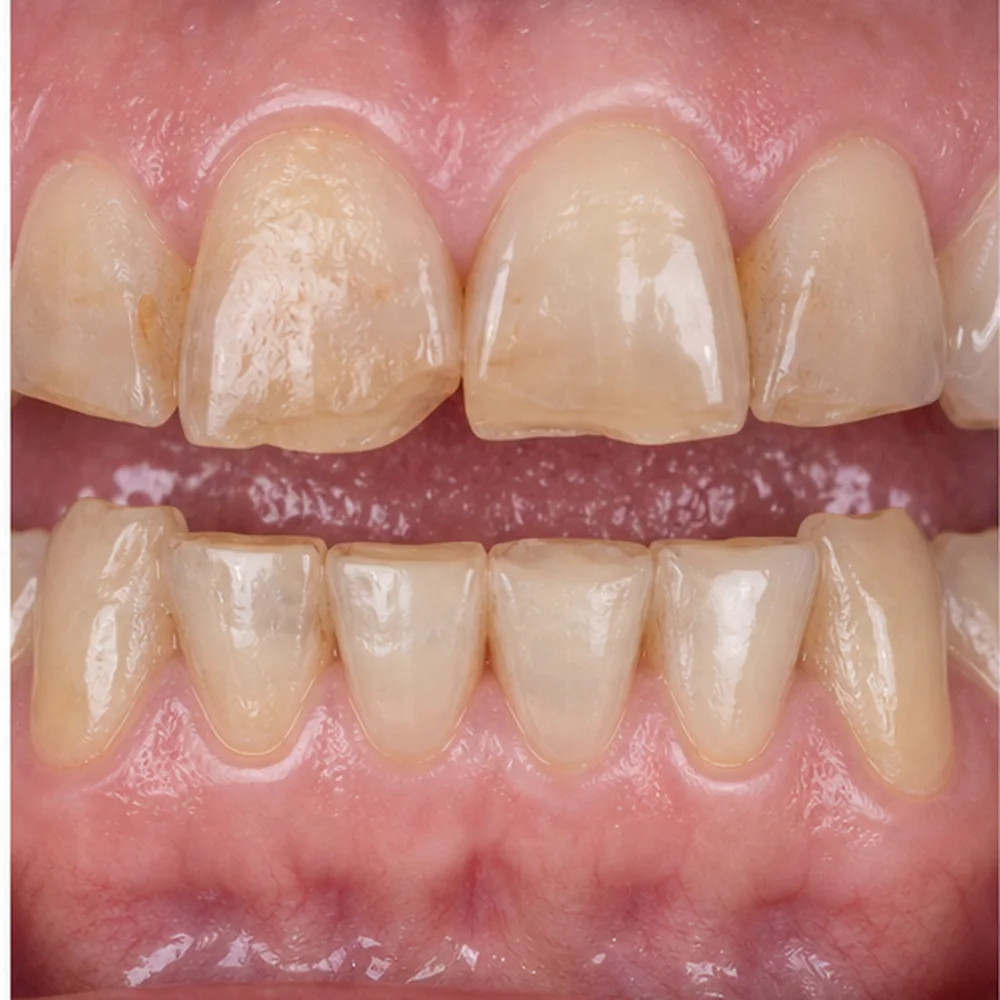
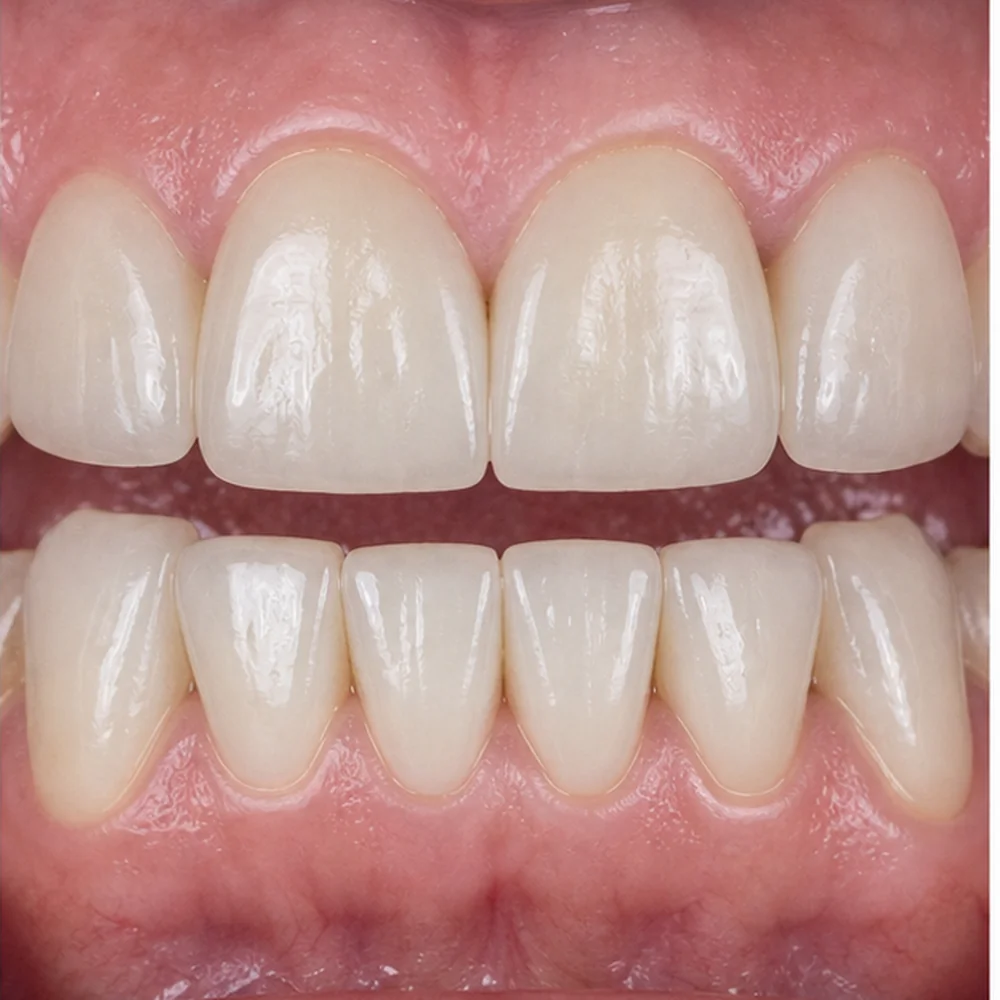
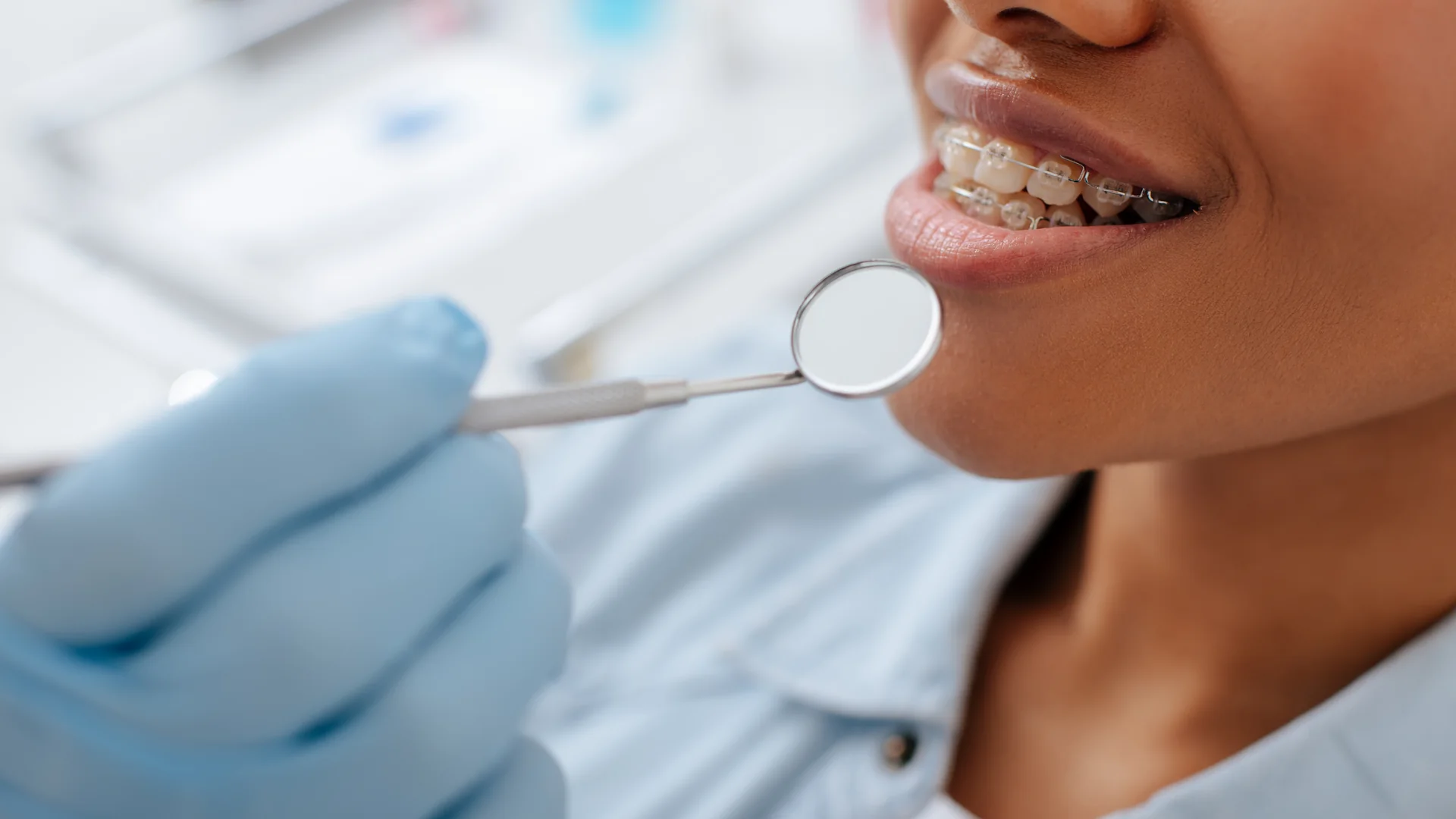
Orthodontics is one of the dental specialties with the greatest impact on quality of life — not only because it delivers a straighter smile, but because it rebalances the entire dental system. At BUTE DENTALL CLINIC in Bucharest and DENTALL M in Râmnicu Sărat, orthodontic treatments are planned individually using state-of-the-art digital technology, by a team with extensive experience in correcting malocclusions in children, adolescents, and adults.
What is orthodontics and when do you need it
Orthodontics is the branch of dentistry concerned with the diagnosis, prevention, and correction of tooth position abnormalities and the relationships between the jaws. In practice, the orthodontist intervenes when teeth are not properly aligned, when the dental arches do not fit together correctly, or when the bite is disrupted — situations that, if left untreated, can lead to serious long-term consequences.
The most common problems that orthodontics corrects are:
- Dental crowding — teeth that overlap, rotate, or shift due to insufficient arch space. Oral hygiene becomes difficult, and the risk of decay and periodontal disease increases significantly.
- Excessive spacing — gaps between teeth (diastemas) that affect aesthetics, speech, and the distribution of chewing forces.
- Overbite — the upper front teeth cover the lower teeth too much, creating pressure and uneven wear.
- Underbite — the lower jaw protrudes in front of the upper jaw, disrupting chewing and potentially causing tension in the temporomandibular joint (TMJ).
- Crossbite — one or more upper teeth sit behind the lower teeth instead of in front. This can occur both anteriorly and laterally, and affects facial symmetry if not treated in time.
- Open bite — the upper and lower front teeth do not meet at all when biting, making it difficult to cut food and causing speech problems.
- Complex malocclusions — combinations of the above problems, often associated with a jaw growth discrepancy.
It is important to understand: orthodontics is not exclusively about aesthetics. A straight tooth is easier to clean, participates correctly in chewing, and protects the joints and supporting tissues. A straight smile is, ultimately, also a healthy masticatory system.
Why orthodontics matters beyond appearance
Many people postpone orthodontic treatment because they consider it "optional" or purely cosmetic. The clinical reality is different. Correct tooth alignment has direct consequences for the overall health of the mouth and even for quality of life.
More effective oral hygiene. Crowded or overlapping teeth create areas that a toothbrush and dental floss cannot clean completely. Bacterial plaque accumulates in these blind spots, leading to cervical decay and gingival inflammation that, over time, develops into periodontal disease. Once aligned, the surfaces become accessible and the cleaning routine becomes truly effective.
Balanced chewing. When the bite is correct, the forces generated during chewing are evenly distributed across all teeth and the jawbones. If there is a malocclusion, certain areas bear excessive pressure, which accelerates enamel wear, weakens teeth, and can lead to fractures or premature tooth loss.
Temporomandibular joint (TMJ) health. The TMJ is the joint that connects the lower jaw to the skull. An imbalanced bite stresses this joint asymmetrically, over time causing headaches, joint sounds (clicking, popping), muscular tension in the neck and shoulders, or difficulty opening the mouth. Well-planned orthodontic treatment can contribute to reducing these symptoms or preventing them from occurring.
Prevention of periodontal problems. The gums and alveolar bone support the teeth. When teeth are crooked or the bite is incorrect, forces are transmitted unevenly through the bone, promoting bone resorption and gingival recession. A well-positioned tooth benefits from optimal periodontal support throughout life.
Speech and breathing. Some malocclusions — especially those involving large spaces or abnormal jaw relationships — can affect the pronunciation of certain consonants or promote mouth breathing, with negative effects on sleep quality and general health.
Who is orthodontic treatment recommended for
Children (ages 6–10) — the time for preventive evaluation
The first orthodontic consultation is recommended around age 6–7, as soon as the first permanent molars and incisors appear. At this age, the orthodontist does not necessarily initiate active treatment, but evaluates arch development trends and detects early anomalies that benefit most from intervention during the growth period.
In children, the maxillary skeleton is still developing, which allows correction of skeletal discrepancies with functional or expansion appliances — without surgery, an option that sometimes remains the only solution if problems are discovered after growth is complete. Not every child needs braces at age 7, but an early evaluation can make the difference between a simple treatment later and a complex one.
Adolescents (ages 11–17) — the ideal time for fixed braces
Adolescence is, biologically, the optimal period for orthodontic treatment. The permanent teeth are mostly erupted, jaw growth is active — which accelerates tooth movement — and the supporting tissues respond rapidly. Treatments carried out at this stage are generally shorter and more predictable than those in adults.
An important psychosocial aspect: adolescents treated orthodontically gain self-confidence, and the aesthetic and functional benefits of a balanced smile persist throughout adult life.
Adults — never too late
One of the most common misconceptions is that orthodontics is only for children and adolescents. The reality is that adult teeth can move at any age, as long as the alveolar bone is healthy. Adults are, in fact, a rapidly growing segment among orthodontic patients, also due to the popularity of clear aligners, which allow treatment without compromising professional appearance.
In adults there are a few additional considerations: treatment time is slightly longer than for adolescents, a periodontal assessment is required beforehand (gums and bone must be healthy), and sometimes coexisting prosthetic restorations or implants influence the treatment plan. These aspects are carefully evaluated at DentALL before any therapeutic decision.
Types of orthodontic appliances
Metal fixed braces
Traditional fixed braces with metal brackets and archwires remain the reference standard in orthodontics. Brackets are attached to the outer surface of the teeth, and the metal arch connecting them exerts the forces necessary for tooth movement. It is the most versatile type of appliance — effective in both simple and complex cases — and the most durable, making it particularly suitable for younger patients. The main disadvantage is visibility. Metal brackets are visible when smiling, which can be socially uncomfortable for adults or more self-conscious adolescents.
Ceramic or sapphire fixed braces (aesthetic)
Ceramic or sapphire brackets work on the same mechanism as metal ones, but are made from translucent or tooth-colored materials, making them far less visible. This aesthetic option is preferred by older adolescents and adults who want the effectiveness of fixed braces with reduced visual impact. Modern ceramic materials are durable and do not stain significantly with foods and beverages, provided rigorous hygiene is maintained. The cost is slightly higher than the metal option.
Lingual braces (invisible, fitted on the inner surface)
Lingual braces are fitted on the inner (lingual) surface of the teeth, making them completely invisible from the outside. Technically, this is the most demanding type of fixed appliance — brackets are customized for each tooth and fitting and adjustment require specialized training. It is the preferred choice for adult patients with very high aesthetic demands — musicians, actors, public figures, or those who frequently interact with audiences. Disadvantages include a longer adaptation period (speech, comfort), more difficult cleaning, and higher cost. It is not indicated in all clinical cases.
Clear aligners (orthodontic trays)
Aligners are transparent, removable trays made from medical-grade plastic. The patient receives a series of trays, each slightly different from the previous one, that gradually guide the teeth to the correct position. The main advantage is discretion: when worn, they are almost invisible, and the ability to remove them for meals and brushing makes oral hygiene much simpler than with fixed braces.
A common myth is that aligners are "only for minor cosmetic cases." Modern aligner systems, used by an experienced orthodontist, can treat a wide range of malocclusions, including moderate cases and some complex ones. The key to success lies in patient discipline — trays must be worn for 20–22 hours per day. If wearing instructions are not followed, treatment is prolonged or results are not as planned. Aligners are not suitable for all types of tooth movement, and individual assessment is essential.
Removable and functional appliances for children
In children in the active growth period, the orthodontist may recommend removable or functional appliances — devices that are removed for eating and brushing, but worn a set number of hours per day. These appliances do not move individual teeth, but influence jaw growth and the relationship between them. They are a first (interceptive) treatment stage that can significantly simplify subsequent fixed treatment or, in some cases, make it unnecessary. The compliance of the child and family is the decisive factor in the success of this type of treatment.
How orthodontic treatment is carried out, step by step
Initial consultation. The first step is a detailed consultation in which the orthodontist evaluates the dental arches, the relationship between the jaws, the type of malocclusion, and the general condition of the teeth and gums. At DentALL, this evaluation is supported by digital technology: a 3D intraoral scanner replaces traditional silicone impressions with a faster, more precise, and more comfortable process. Where needed, a panoramic X-ray or CBCT (3D tomography) is also taken to evaluate roots, bone, and the eruption status of impacted teeth.
Treatment plan. Based on the collected data, the orthodontist develops an individualized plan that includes: the recommended type of appliance, the estimated treatment duration, any preliminary procedures (extractions, scaling, periodontal treatment), and the retention stages. The patient receives clear explanations, has time to ask questions, and makes an informed decision. There is no single correct solution for all patients — the plan reflects the specifics of each case.
Fitting the appliance. The procedure for fitting fixed braces typically takes 1–2 hours and is completely painless. Brackets are bonded to the teeth with a special adhesive, and the archwire is positioned. For aligners, the patient receives the first series of trays with precise usage instructions.
Regular check-ups. During treatment, the patient returns for regular appointments, usually every 6–8 weeks for fixed braces. At each visit, the orthodontist adjusts the archwire or replaces the trays with the next series, progressing according to plan. These visits are brief but essential — they must not be postponed, as each stage prepares the ground for the next.
The retention stage — just as important as active treatment. At the end of active treatment (when the teeth have reached the desired position), a mandatory stage follows: retention. Teeth have a natural tendency to drift back toward their original positions, especially in the first years after treatment. Retention is achieved through retainers — either a thin wire bonded to the inner surface of the front teeth (fixed retainer), or a retention tray worn at night (removable retainer). Wearing retainers is indefinite — neglecting this stage can partially undo the achieved results. At DentALL, patients are informed about the importance of retention from their very first consultation.
Recovery, risks, and common myths
Orthodontic treatment is generally well tolerated. However, there are some practical aspects that patients should know.
Normal discomfort. In the first few days after fitting the appliance or after each activation, it is normal to experience pressure sensitivity or mild pain when chewing. This reflects active tooth movement and usually resolves within 2–4 days. Standard analgesics (paracetamol, ibuprofen) are sufficient if the discomfort is bothersome.
Oral hygiene with fixed braces. Brackets and archwires create retention areas for food and plaque. Brushing must be done after every meal with a small-headed or orthodontic brush, and dental floss used with a threader or an oral irrigator. Neglecting hygiene during treatment is the main cause of demineralization (white spots on enamel) or decay around brackets — lesions that do not disappear when the braces are removed.
Foods to avoid. With fixed braces, hard foods (whole nuts, hard biscuits, toast crusts), sticky foods (caramels, chewing gum), and extremely chewy foods are contraindicated — these can detach brackets or deform archwires. Hard fruits should be cut into small pieces. With aligners, dietary restrictions disappear — trays are removed at mealtimes.
Warning signs. A few situations require contacting the clinic: a detached bracket, an archwire that has come out of place and is irritating the mucosa, intense persistent pain (more than one week), or the appearance of extensive ulcerations. These are not major emergencies, but must be addressed promptly to avoid delaying treatment.
Common myths about orthodontics
"Braces damage the enamel." Enamel is not affected by brackets themselves, but by neglected hygiene during treatment. Brackets are bonded to enamel with adhesive that is completely removed at the end. Demineralization and decay occur exclusively where hygiene was insufficient — they are not an effect of the appliance, but of bacteria left on the tooth. With proper hygiene, the risk is minimal.
"Aligners are only for minor cosmetic cases." Modern aligner systems have evolved enormously from first-generation products. Used by an experienced orthodontist and planned with advanced simulation software, they can treat moderate malocclusions and, in combination with other techniques, some complex cases. The real limitations of aligners are assessed individually — there is no general rule that they "don't work for serious cases."
"It hurts all the time." Discomfort is episodic — it appears in the first days after each adjustment and resolves quickly. Between visits, most patients feel nothing unusual. Orthodontic treatment does not involve chronic pain.
"At my age it's too late." There is no upper age limit for orthodontics, as long as the teeth and alveolar bone are healthy. Patients aged 40, 50, or even 60 successfully benefit from orthodontic treatment, especially with clear aligners.
"If I wore braces as a child, I don't need a retainer." The tendency for relapse (returning to original positions) never fully disappears. Retainers are necessary in the long term, regardless of age or duration of previous active treatment.
Cost and what influences the price
Orthodontic treatment is a long-term investment in health and quality of life — and the cost varies depending on several factors specific to each patient.
Type of appliance chosen. Standard metal braces are the most affordable option. Ceramic or sapphire brackets, lingual appliances, and clear aligners involve more expensive materials and, in the case of lingual appliances, a significantly more complex technique — factors that are reflected in the price.
Complexity of the case. Minor crowding on a single arch resolves more quickly and simply than a complex malocclusion with skeletal discrepancy or requiring extractions and coordination between specialties. The more complex the case, the longer the treatment and the more clinical expertise required.
Duration of treatment. Longer treatments mean more check-up visits, more archwires or aligner series — elements that influence the final cost. The average duration for a complete treatment varies between 12 and 30 months, depending on age, the type of malocclusion, and patient cooperation.
Preliminary additional treatments. If extractions, periodontal treatment, restorations, or other procedures are needed before orthodontic treatment can begin, these represent separate costs to be factored into the total budget.
The retention stage. Fixed or removable retainers are part of the treatment and must be included in financial planning. Replacing or repairing them over the years represents relatively small periodic maintenance costs, but necessary ones.
At DentALL, after the initial consultation and digital case analysis, the patient receives a detailed and transparent estimate, so that they can make an informed decision without subsequent surprises.
Why choose DentALL for orthodontic treatment
Choosing the clinic and the orthodontist is just as important as choosing the type of appliance. A well-conducted orthodontic treatment transforms a smile — a poorly conducted one can leave permanent marks. At DentALL, several factors make the difference.
Integrated digital technology. The 3D intraoral scanner allows precise digital impressions to be obtained in minutes, without the discomfort of traditional impression materials. Digital models are more accurate and can be instantly shared with the dental technician or aligner planning software. The CBCT (3D dental tomography) available in-house allows detailed evaluation of roots, alveolar bone, and the temporomandibular joint — essential information for complex cases. Digital radiology with reduced dose is used to monitor treatment with minimal radiation exposure.
Interdisciplinary approach. Orthodontics rarely functions in isolation. Complex cases require collaboration between the orthodontist and the periodontist, oral surgeon, or prosthodontist. At DentALL, with 14 specialists under one roof and uniform protocols at both clinics, this collaboration is natural and efficient — the patient does not have to navigate between multiple offices to coordinate treatments.
Solid clinical experience. With over 10,000 patients treated, the DentALL team has managed a wide variety of orthodontic cases, from simple malocclusions to complex situations requiring coordination with other specialties. This experience is reflected in the precision of planning and the predictability of results.
Continuity and easy access. Patients in Bucharest benefit from consultations at BUTE DENTALL CLINIC, and those in Râmnicu Sărat and the south-eastern region at DENTALL M. The clinicl protocols are identical at both locations, so treatment can continue without interruption, regardless of the clinic chosen.
Transparency and communication. At DentALL, patients are partners in their own treatment. We explain every stage, present available options, discuss the advantages and limitations of each, and allow time for questions. We do not recommend treatment if it is not indicated, we do not rush decisions, and we do not withhold relevant information about the duration or complexity of the case.
Conclusion — a straight smile begins with a consultation
Orthodontics is not an aesthetic luxury reserved for children or adolescents. It is an investment in the long-term health of the entire dental system — an investment that becomes simpler and more effective the earlier it is made, but that remains valuable at any age.
Whether we are talking about a child entering mixed dentition, an adolescent who wants a balanced smile before adulthood, or an adult who wants to correct a problem put off for years — at DentALL you will find a team that listens, evaluates, and plans with care and digital precision.
The first step is always the initial consultation. You can schedule it now, online, at BUTE DENTALL CLINIC in Bucharest or at DENTALL M in Râmnicu Sărat — and you will leave with a clear plan, not with unanswered questions.
Book your orthodontic consultation online and find out which treatment is right for you.