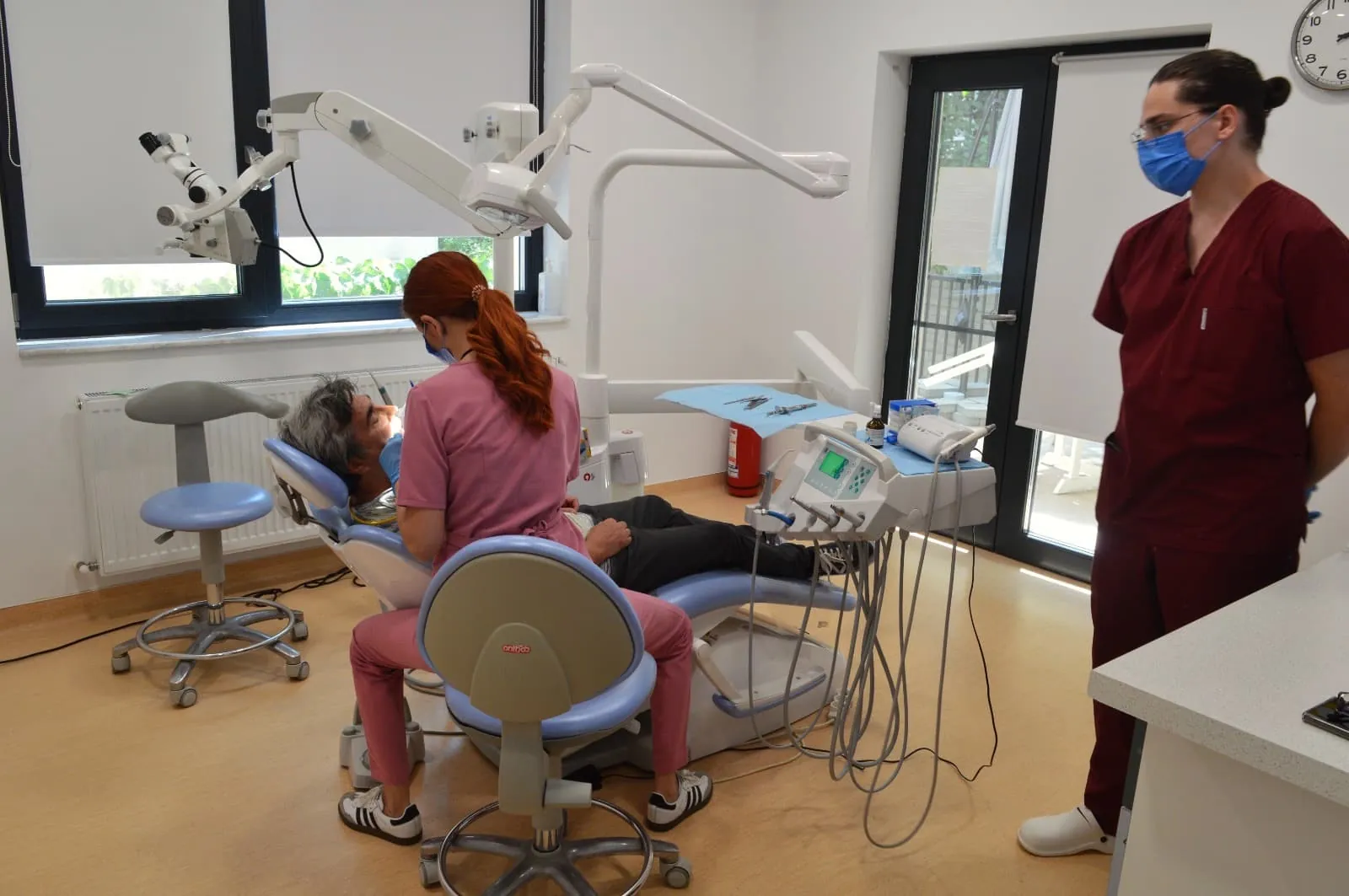
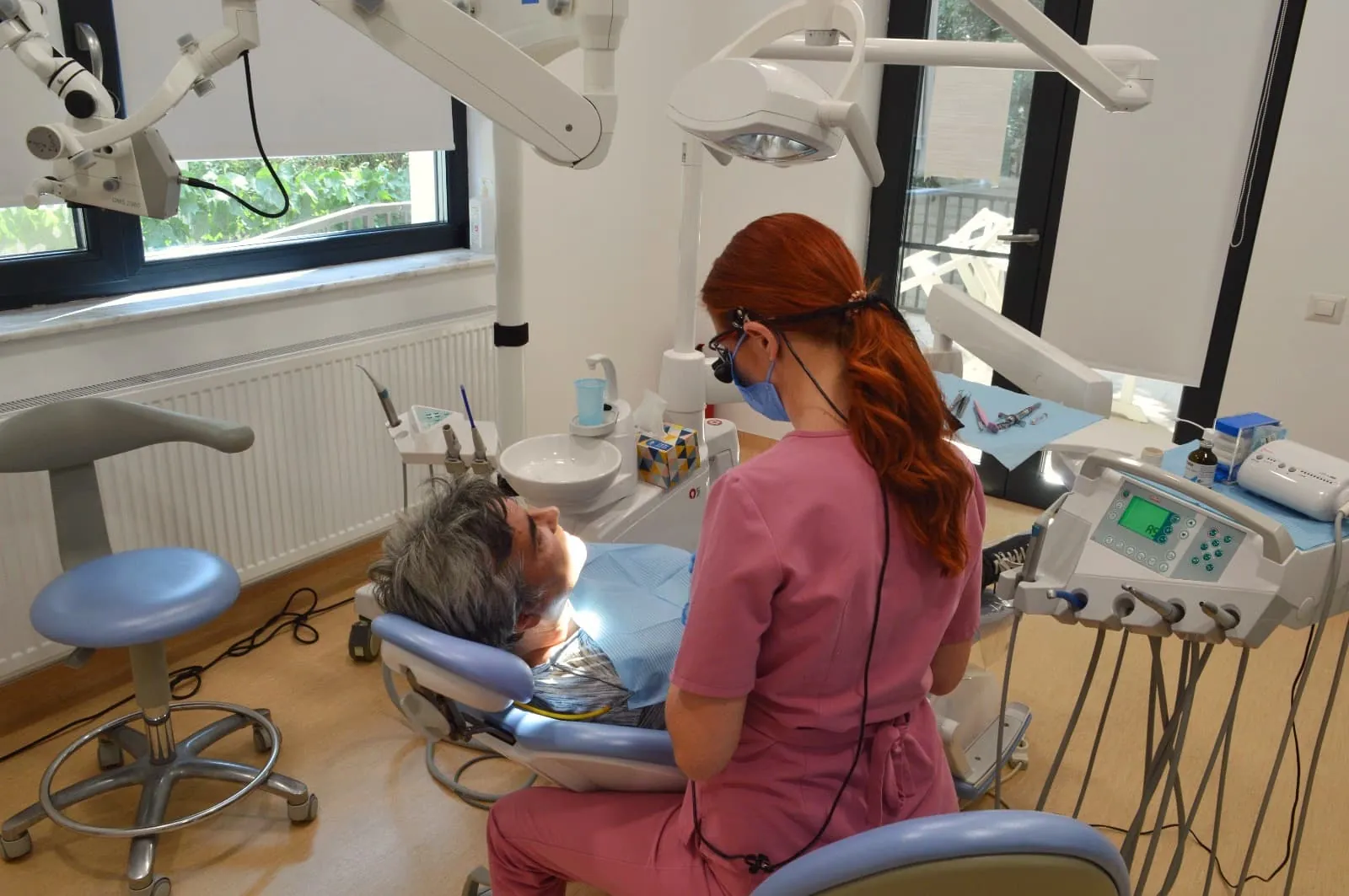
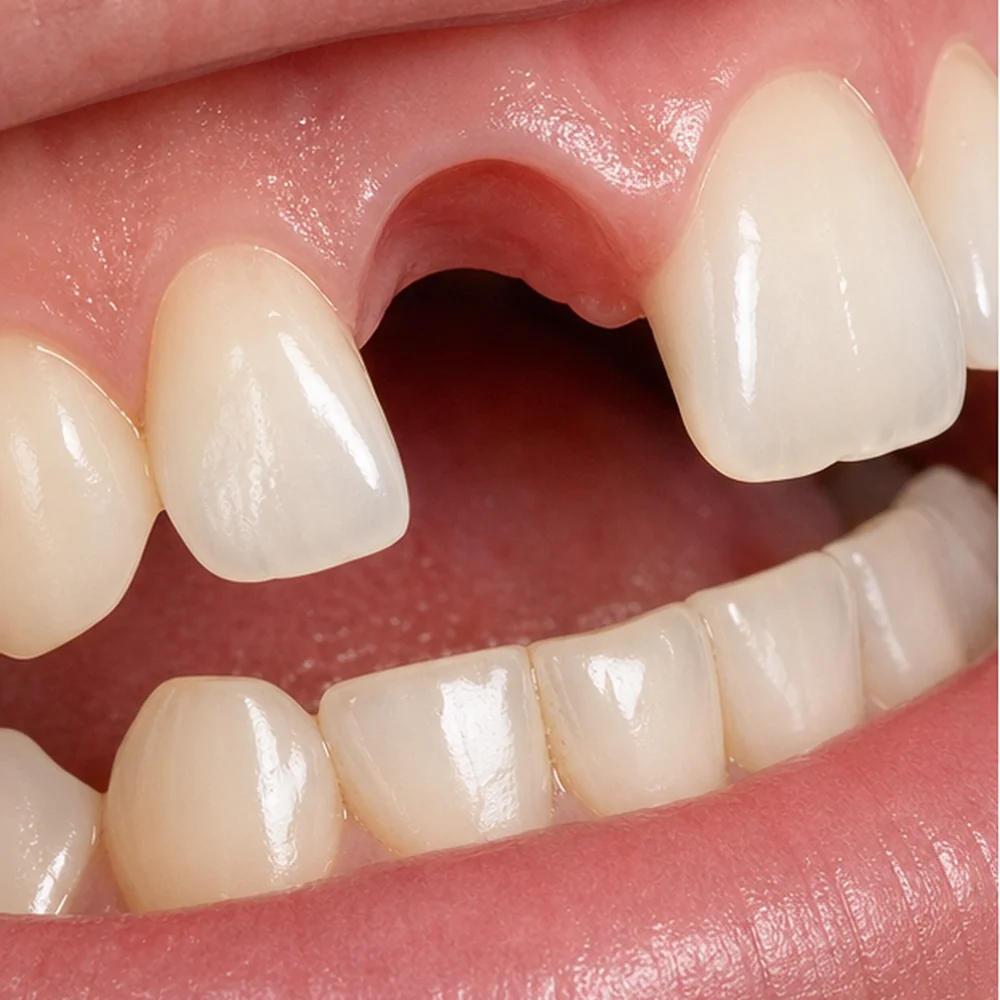
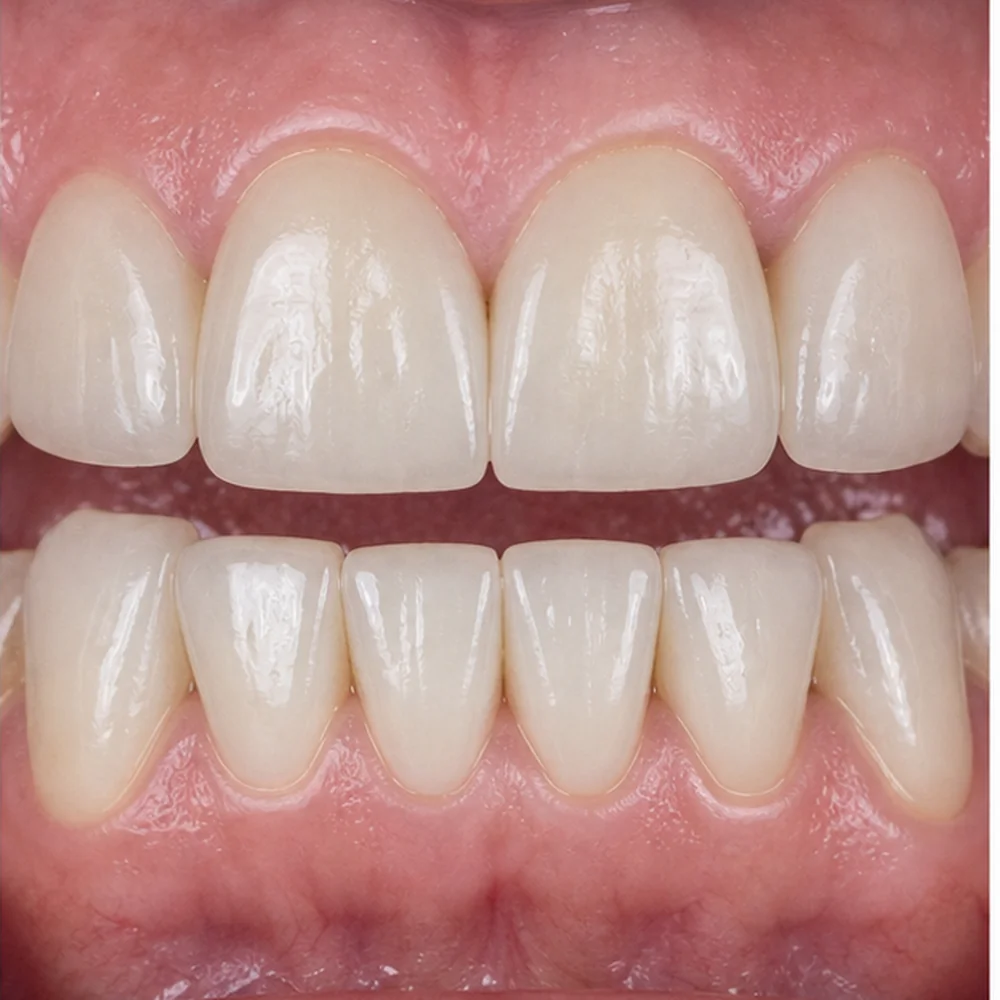
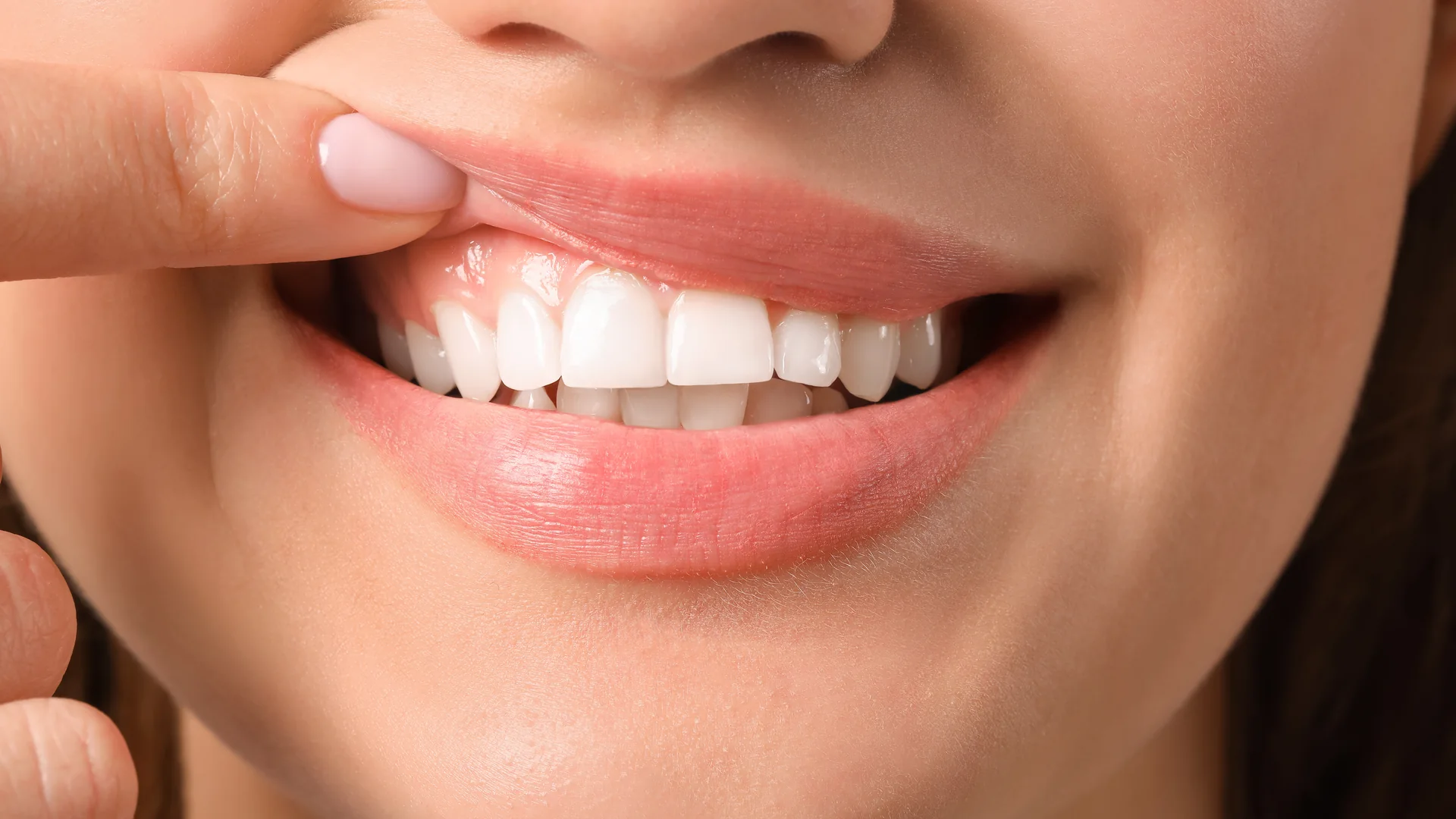
The health of your gums is the foundation upon which every tooth rests — and it is often precisely this foundation that is neglected until problems become impossible to ignore. At BUTE DENTALL CLINIC in Bucharest and DENTALL M in Râmnicu Sărat, our periodontal service brings together precise diagnosis, modern technology, and a team of 14 specialists to stop the progression of periodontal disease and protect your teeth in the long term.
What is periodontology and when do you need it
Periodontology is the dental specialty concerned with the diagnosis and treatment of diseases affecting the supporting tissues of the teeth — the gums, alveolar bone, periodontal ligament, and root cementum. In other words, the periodontist treats everything that surrounds and anchors the tooth in bone, not the tooth itself.
Periodontal disease is one of the most common chronic conditions worldwide and, at the same time, one of the leading causes of tooth loss in adults. What makes it dangerous is not necessarily pain — often absent in the early stages — but its slow, silent progression, which, if not stopped in time, irreversibly destroys the structures that hold the tooth in place.
You need a periodontal evaluation when you notice warning signs in your gums: bleeding when brushing or flossing, red, swollen, or receded gums, a sensation that your teeth look "longer" than before, tooth mobility, sensitivity to cold or sweet at the gumline, or a persistent unpleasant taste or odor that does not disappear after brushing. Even if none of these signs are present, a regular periodontal check-up remains an essential preventive measure — the disease can progress for years without clear symptoms.
Who is periodontology recommended for
Periodontology is not exclusively for people with serious, visible problems. There are categories of patients for whom a specialized evaluation is particularly important.
Patients with diagnosed gingivitis or periodontitis
Gingivitis is the early form of periodontal disease. It manifests as gum inflammation — redness, swelling, bleeding — without (yet) affecting the bone or periodontal ligament. It is completely reversible if treated in time. Periodontitis, on the other hand, represents the progression of the disease beyond the gums, with involvement of the alveolar bone and periodontal ligament. Once destroyed, bone does not regenerate spontaneously. This is precisely why the difference between the two stages is crucial: untreated gingivitis can progress to periodontitis, and untreated periodontitis leads, over time, to tooth loss.
Smokers and former smokers
Smoking is one of the most aggressive risk factors for periodontal disease. Nicotine and other substances in cigarette smoke reduce gingival blood flow, disrupt the local immune response, and mask classic signs of inflammation — the smoker's gums bleed less and appear more "normal" even as the disease advances. Paradoxically, this apparent calm makes early diagnosis more difficult.
Patients with diabetes
The relationship between diabetes and periodontitis is bidirectional: uncontrolled diabetes worsens periodontal inflammation, and active periodontitis impairs glycemic control. Diabetic patients have a significantly higher risk of developing severe forms of periodontal disease and losing teeth. Including a periodontal assessment in regular diabetic monitoring is recommended by international medical guidelines.
Pregnant women or women planning a pregnancy
The hormonal changes of pregnancy intensify the gingival inflammatory response — gums become more sensitive to bacterial plaque, bleed more easily, and can develop what is known as "pregnancy gingivitis." Moreover, studies associate severe periodontitis with an increased risk of preterm birth and low birth weight. A periodontal check-up before and during pregnancy is therefore an investment in both the mother's and the baby's health.
Individuals with genetic predisposition
There is a significant genetic component to susceptibility to periodontal disease. If there is a family history of early tooth loss or severe periodontitis, your personal risk is higher — even if your oral hygiene is good. Regular check-ups allow early detection and preventive intervention.
Patients with poor oral hygiene or significant tartar buildup
Tartar — the mineralized deposit of bacterial plaque — cannot be removed by brushing at home. It creates a favorable environment for the bacteria that trigger periodontal inflammation. Progressive accumulation of subgingival tartar is, by far, the most common cause of periodontitis.
Types and periodontal treatment options
The periodontal treatment plan is always individualized according to the stage of the disease, the patient's individual response, and associated risk factors. At DentALL, the approach is structured in clear stages, with re-evaluation after each phase.
Professional scaling and oral hygiene guidance
Supragingival scaling — removal of tartar above the gum line — is the first step in any periodontal protocol. It is always accompanied by personalized hygiene instructions: how to brush correctly, how to use dental floss or an irrigator, and which products suit your situation. Without good home hygiene, no treatment performed in the office will be sustainable long-term.
Subgingival scaling and root planing
Root planing (also known as "deep cleaning") is the central procedure of non-surgical periodontal treatment. It involves removing tartar and bacterial deposits from beneath the gum line, from the root surface, followed by smoothing the root to eliminate roughness that encourages bacterial re-adhesion. The procedure is performed with hand instruments and/or ultrasound, usually under local anesthesia, by quadrant or half-arch, for the patient's comfort.
Periodontal laser
The use of a dental laser in periodontology adds an important dimension to treatment: the laser deeply disinfects periodontal pockets, eliminates inflamed tissue, and promotes faster gum healing. At DentALL, the laser is integrated into periodontal treatment protocols as an adjunct, not a replacement for conventional mechanical cleaning — the two techniques complement each other.
Periodontal curettage
In cases of deep periodontal pockets (more than 4–5 mm), where root planing alone is insufficient, curettage allows better access to the root for thorough cleaning of the periodontal pockets. It is a minimally invasive procedure, performed under local anesthesia, that complements non-surgical treatment in moderate cases.
Periodontal surgery
Advanced cases with deep periodontal pockets or significant bone defects may require surgical intervention. Periodontal surgery allows direct visualization and complete root cleaning, correction of bone defects, and in some cases guided regeneration of bone and periodontal ligament using membranes or augmentation materials. The decision for surgery is always made after an initial non-surgical phase and after re-evaluating the tissue response.
Periodontal maintenance therapy
Periodontal disease is a chronic condition — it is not definitively "cured," but controlled in the long term. Once active treatment is complete, the patient enters the periodontal maintenance program: periodic visits (usually every 3–6 months) to monitor gum health, evaluate oral hygiene, and perform maintenance scaling and root planing. Without these regular visits, the disease tends to relapse.
How periodontal treatment is carried out, step by step
The first visit to a periodontist at DentALL begins with a comprehensive evaluation: medical history, clinical examination of the gums, periodontal probing (measuring pocket depth with a calibrated probe), assessment of tooth mobility, and, if necessary, digital X-rays or 3D CBCT tomography to evaluate the degree of bone resorption.
Based on this evaluation, the dentist establishes a diagnosis and an individualized treatment plan, explained in detail to the patient. The plan includes the estimated number of sessions, the recommended techniques, and the objectives of each phase.
The first phase — active treatment — typically begins with oral hygiene instructions and supragingival scaling. Root planing follows, performed by quadrant under local anesthesia. The patient is advised to avoid very cold or hot foods in the first few days and to use a soft-bristled brush until the gum has fully healed.
At 4–8 weeks after completing non-surgical treatment, a periodontal re-evaluation is carried out: full probing, hygiene assessment, and comparison of indices with baseline values. If results are satisfactory, the patient enters the maintenance phase. If there are areas with an insufficient response, additional options are discussed (curettage, laser, surgery).
Each maintenance session includes assessment of periodontal status, professional cleaning, and ongoing motivation for correct home hygiene. This final stage — which may seem mundane — is in fact the most important for long-term success.
Recovery, risks, and common myths
Non-surgical periodontal treatment is well tolerated. After root planing, the patient may experience mild cold sensitivity or sensitivity when brushing for the first few days, as the gum — freed from inflammation — retracts slightly and exposes the neck of the tooth. This sensitivity is transient and responds well to specific toothpastes and professional fluoride application. Post-operative discomfort is mild to moderate and generally does not require more than a standard analgesic.
Periodontal surgery involves a longer recovery period — a few days of swelling and sensitivity — but is carefully planned and monitored step by step by our team.
Common myths about gum health
"It's normal for gums to bleed when I brush." No, it is not normal. Healthy gums do not bleed when brushing or using dental floss. Bleeding is a sign of inflammation — a signal that bacteria in the plaque are irritating gum tissue. If gums bleed consistently, it is time for a consultation, not for gentler brushing.
"If it doesn't hurt, everything is fine." Periodontitis most often progresses without pain. Destruction of the alveolar bone occurs slowly over the course of years, without clear symptoms until tooth mobility becomes evident. The absence of pain is not a guarantee of periodontal health.
"I'm going to lose my teeth anyway — it's hereditary." Genetic predisposition exists, but it is not destiny. With early diagnosis, correct treatment, and consistent periodic maintenance, patients with high genetic risk can keep their teeth for life. Genetics increases susceptibility — it does not eliminate the influence of care.
"If I've already lost bone, there's nothing to be done." Moderate bone resorption can be stopped and, in some cases, partially compensated through regeneration techniques. Even in advanced forms, periodontal treatment can stabilize the situation and significantly extend the life of the remaining teeth.
"Tartar only forms if you don't brush your teeth." Tartar formation also depends on saliva composition, diet, and genetic factors. Some patients with very good oral hygiene accumulate tartar rapidly and need scaling every 3–4 months. Proper brushing reduces accumulation, but cannot prevent it entirely in all patients.
The link between periodontal health and overall health
An aspect often underestimated by patients is the deep connection between gum health and the health of the entire body. The mouth is not isolated from the rest of the body — chronic periodontal inflammation releases inflammatory mediators and bacteria into the bloodstream that can affect distant organs and systems.
The association with cardiovascular disease is one of the most studied: periodontal bacteria have been identified in atherosclerotic plaques, and the chronic systemic inflammation associated with periodontitis increases the risk of myocardial infarction and stroke. The relationship with diabetes has been mentioned — it is bidirectional and well documented in the medical literature.
In pregnant women, severe periodontitis is associated with an increased risk of preterm birth and low birth weight. There are also studies exploring the link with chronic respiratory diseases, rheumatoid arthritis, and certain forms of dementia — an area of active research.
These connections underscore why periodontal treatment is not "just a dental problem," but a component of overall health. General practitioners and internists increasingly include dental evaluation in the monitoring of patients with chronic conditions.
Cost and what influences the price of periodontal treatment
Periodontal treatment does not have a standard price, as each patient's needs are different. The total cost depends on several factors assessed by the dentist during the initial consultation.
The stage of periodontal disease is the main factor: gingivitis requires fewer sessions and simpler interventions than moderate or advanced periodontitis. The number of affected teeth and the extent of bone lesions directly influence the volume of work required.
The number of root planing sessions varies depending on how many quadrants or half-arches require deep cleaning — a full arch may require two to four separate sessions, for patient comfort and treatment effectiveness.
The use of a dental laser as an adjunct in treating periodontal pockets represents an additional cost compared to conventional mechanical treatment, justified by the additional benefits — deeper disinfection, faster healing, and in some cases a reduced need for surgery.
If the situation requires periodontal surgery or bone regeneration techniques, costs increase proportionally with the complexity of the procedure and the materials used. The frequency of periodontal maintenance sessions — established by the dentist based on individual risk — also influences the annual budget allocated to gum health.
At DentALL, the initial consultation includes a comprehensive evaluation and a detailed treatment plan with cost estimates, before any procedure begins.
Why choose DentALL for periodontal treatment
At BUTE DENTALL CLINIC in Bucharest and DENTALL M in Râmnicu Sărat, periodontology is part of a comprehensive dental care ecosystem. Both clinics operate according to identical protocols — the same diagnostic standards, the same materials, the same rigor — regardless of which location you attend.
The technology available at DentALL makes a difference in diagnostic accuracy and treatment quality. 3D CBCT tomography allows three-dimensional evaluation of bone structure — essential information in planning advanced periodontal treatment and surgical procedures. Digital radiology with reduced dose provides high-resolution images with minimal radiation exposure. The dental laser is integrated into periodontal protocols for proven clinical benefits, not as a marketing feature.
With over 10,000 patients treated and a team of 14 specialists, DentALL also offers a dimension that technology alone cannot provide: the experience accumulated in managing complex cases, open communication with patients, and long-term continuity of care. Traceable instrument sterilization certifies that hygiene standards are rigorously maintained at every session.
We understand that many patients arrive at the periodontist with some anxiety — either because they have avoided the clinic for a long time or because they do not know what to expect. Our approach emphasizes information, explaining each stage, and a pace adapted to the comfort of each patient. There are no artificial urgencies and no treatment recommendations that go beyond what is truly necessary.
Conclusion — healthy gums are the foundation of a healthy smile
Periodontal disease is treatable and, in its early stages, completely reversible. The key is early diagnosis and correct treatment, followed by consistent periodic maintenance. Every day that periodontal inflammation remains untreated means bone loss — a resource that does not regenerate spontaneously and that, once gone, limits subsequent reconstruction options.
If you notice warning signs — bleeding, receding gums, tooth mobility, bad breath — or if you simply have not had a periodontal check-up in the last two years, this is the right time to schedule an evaluation. If you have systemic conditions (diabetes, cardiovascular disease) or if you smoke, do not delay: your personal risk is higher, and the benefits of early treatment are proportionally greater.
At BUTE DENTALL CLINIC in Bucharest and DENTALL M in Râmnicu Sărat, our periodontal team is available for a complete evaluation, without pressure and without surprises. Book online at /programare.php and take the first step toward healthy gums — and, by extension, a healthier body overall.