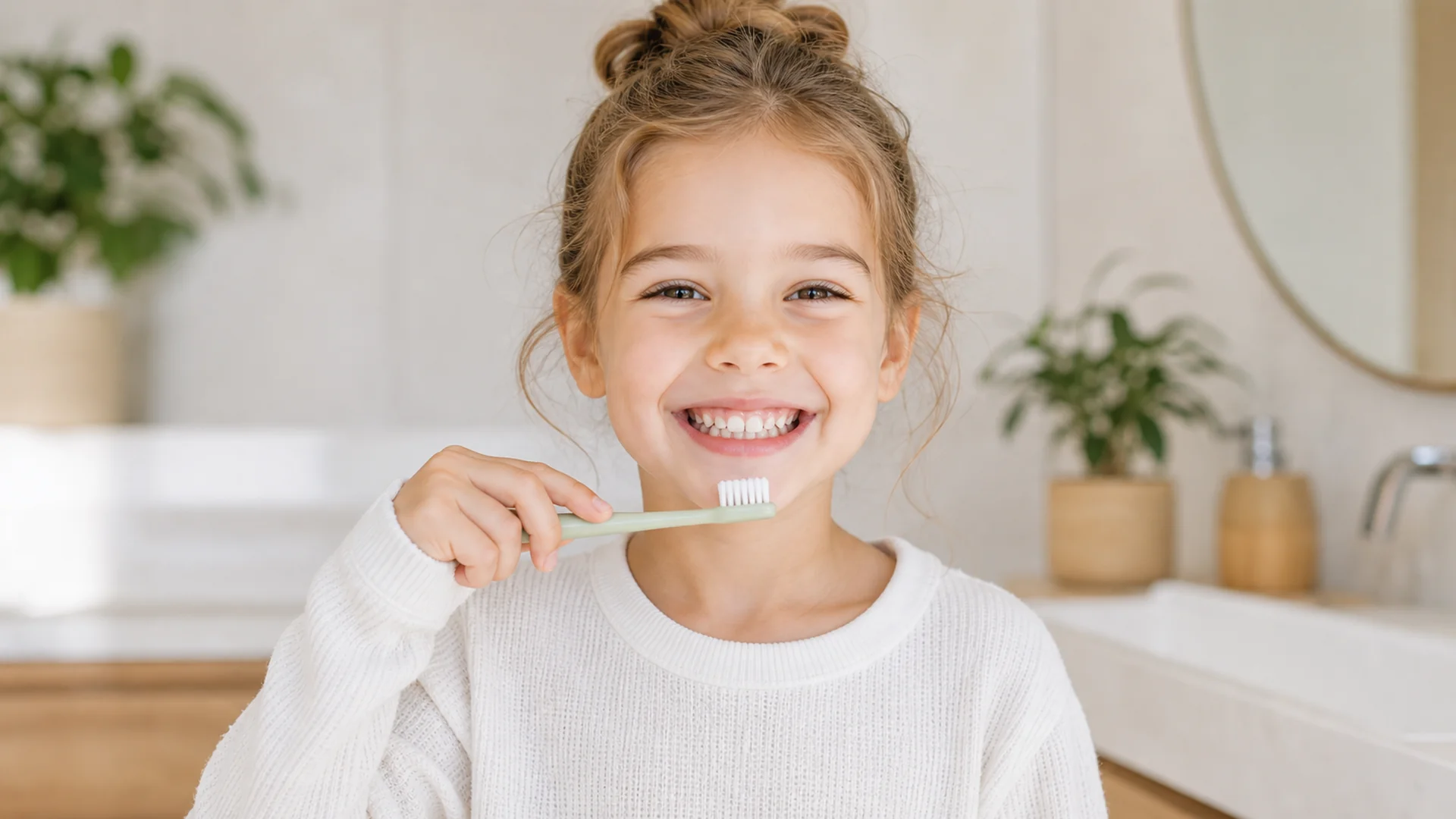
Your child's dental health begins earlier than you might think and has consequences that reach far beyond the first baby tooth. At DentALL clinics — BUTE DENTALL CLINIC in Bucharest and DENTALL M in Râmnicu Sărat — pediatric dentistry is a specialty dedicated entirely to children, practiced with patience, empathy, and age-appropriate medical protocols, from infants to adolescents.
What is pediatric dentistry and when do you need it
Pediatric dentistry — or pedodontics — is the branch of dental medicine that focuses on the oral health of children from the appearance of their first baby teeth through the completion of the permanent dentition, around age 12–14. Unlike dentistry for adults, pediatric dentistry is not simply about smaller procedures: it is a completely different approach to the patient, one that takes into account the child's psychology, their stage of dental development, and the need to build a positive relationship with the dentist — a relationship that can last a lifetime.
Your child's first contact with a dental office should take place around one year of age or immediately after the first teeth appear, whichever comes first. This first visit almost never has a therapeutic purpose: there are no needles, no handpieces, no fear. It is a get-to-know-you meeting — the dentist examines the baby's mouth, evaluates how the first teeth are growing, offers age-appropriate oral hygiene advice, and most importantly, familiarizes the child with the clinic environment. This positive first impression is perhaps the most valuable "treatment" a pediatric dentist can provide.
Throughout childhood, regular preventive check-ups — recommended every six months — allow early detection of decay, monitoring of tooth eruption, and timely intervention when alignment or development issues arise. The more often a child visits the dentist in a positive context, the less likely they are to develop that fear of the dental office that affects millions of adults.
Who is pediatric dentistry recommended for
Pediatric dentistry is for all children, not just those with already-visible problems. However, there are certain groups for whom a specialist consultation is especially important:
Babies and toddlers (ages 0–3)
Once the first tooth appears — usually between 6 and 10 months — the child enters the risk period for baby bottle tooth decay (also called early childhood caries). Feeding habits, bedtime routines, prolonged late-night breastfeeding, and poor dental hygiene are all factors that can lead to rapid destruction of baby teeth. An early visit to a pediatric dentist helps parents understand how to protect those fragile teeth before problems develop.
Preschool and school-age children (ages 3–10)
This is a period of intense dental activity: all baby teeth are present, decay can take hold quickly, and the first permanent molars appear around age 6 — without many parents realizing these teeth will never be replaced. Fissure sealing, professional fluoride application, and teaching the child about brushing are essential at this stage.
Preteens and adolescents (ages 11–16)
The permanent dentition is gradually established. The 12-year molars, permanent front teeth, and sometimes the first signs of crowding require specialist attention. Adolescents may be candidates for additional sealants, as well as for first preventive orthodontic evaluations. Professional cleaning becomes increasingly important in the context of hormonal changes that predispose gums to inflammation.
Children with special needs or elevated risk
Children with systemic conditions, chronic treatments that affect saliva, or difficulties cooperating benefit from specifically adapted approaches. The pediatric dentist has additional training to manage these situations with patience and specialized behavioral management techniques.
Why baby teeth matter more than they appear to
The most common myth pediatric dentists hear is: "They fall out anyway — why treat them?" This belief, though widespread, can genuinely harm your child. Baby teeth are not just a biological quirk — they fulfill essential functions that nothing else can fully replace.
First, baby teeth ensure efficient chewing during crucial years of growth. A child with painful decay or prematurely extracted teeth eats with difficulty, avoids certain foods, and may develop nutritional deficiencies without anyone connecting them to the mouth. Second, baby teeth contribute to speech development: sounds such as s, z, t, and d are produced with the help of the front teeth. Premature loss of these teeth affects articulation and may require speech therapy.
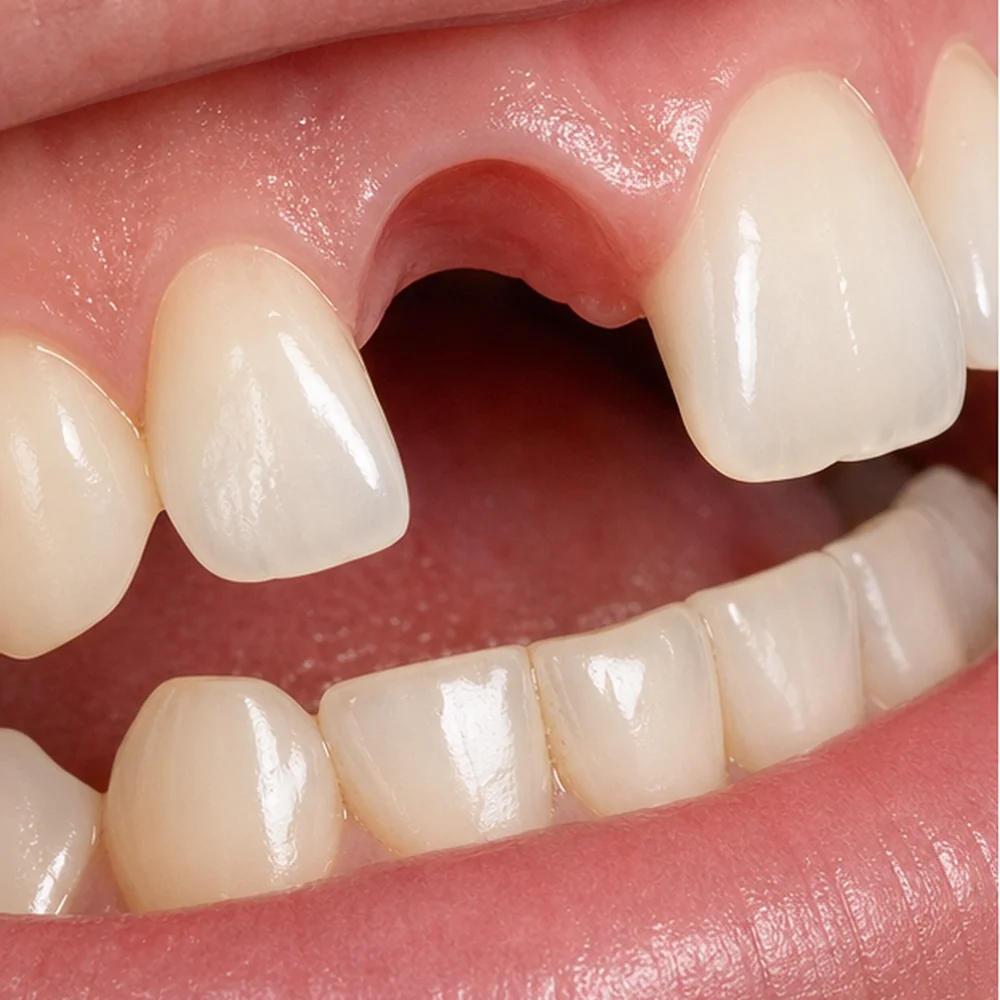
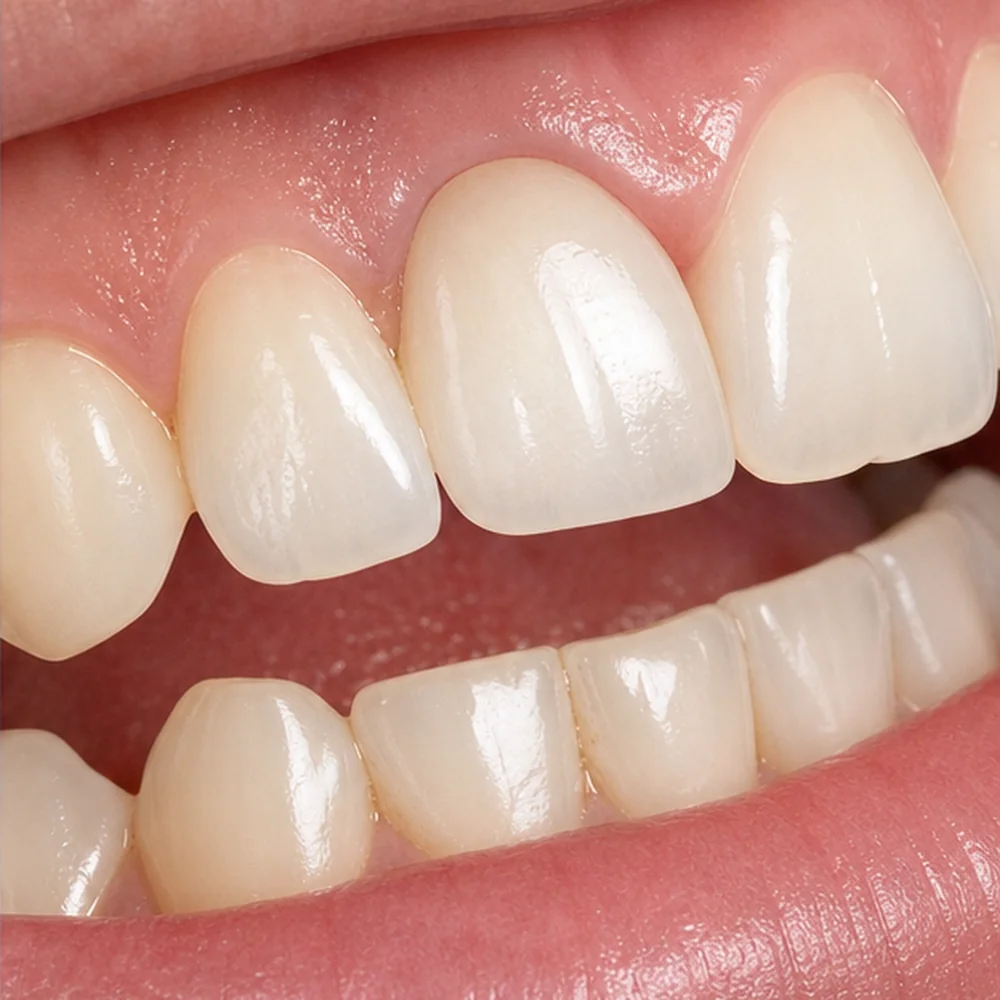
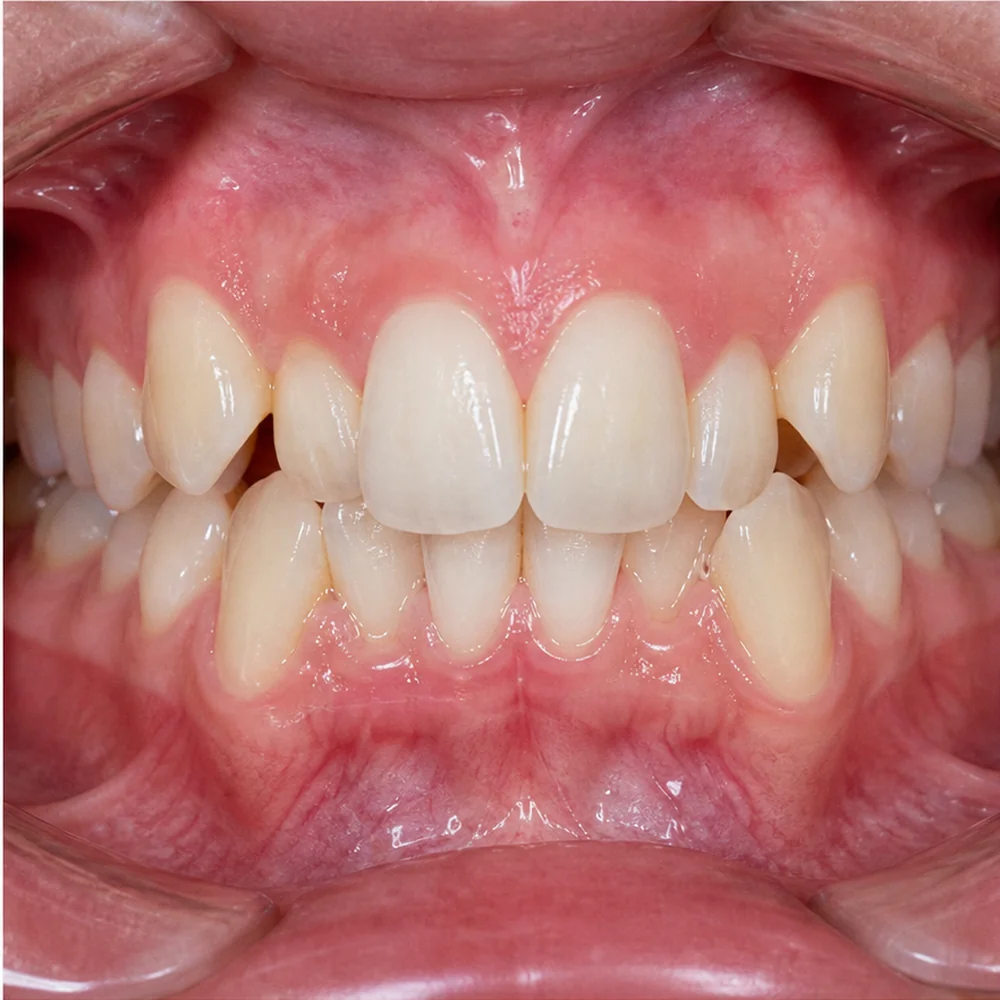
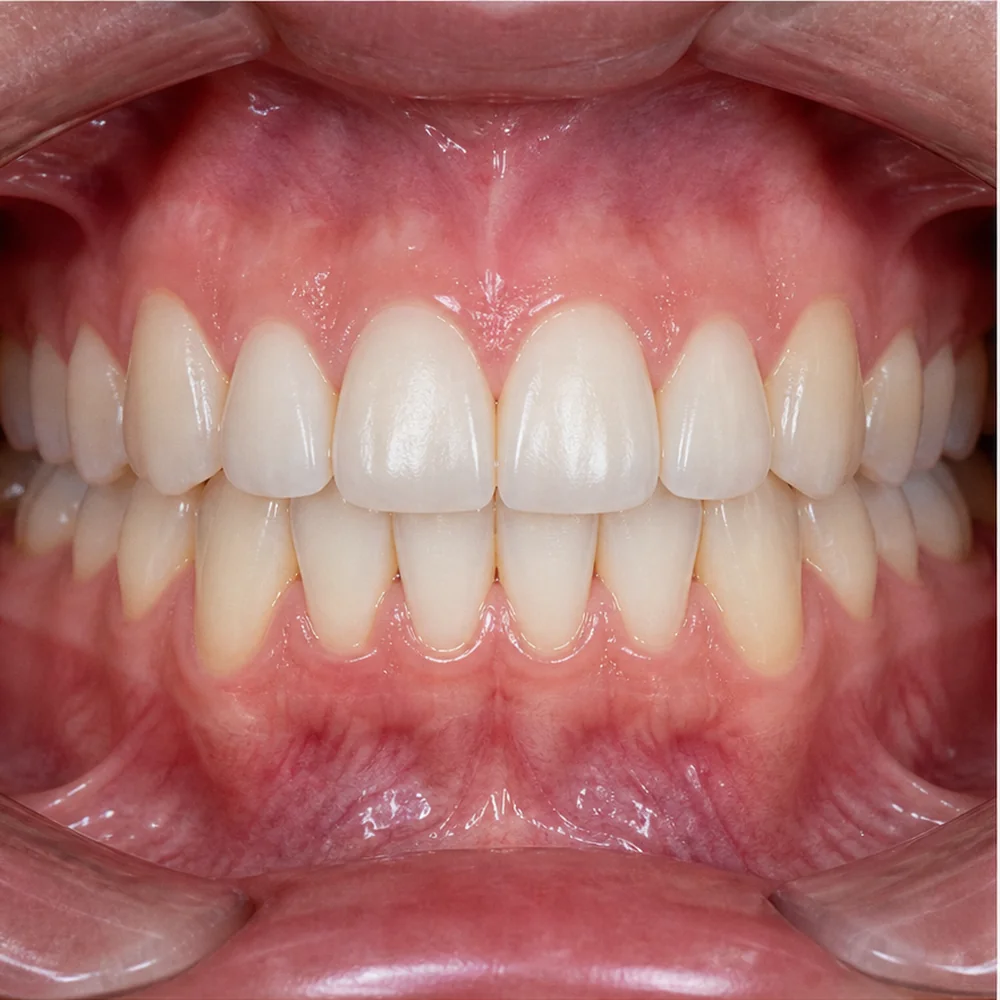
Perhaps the most important role of baby teeth is that of guiding the permanent teeth. Each baby tooth holds the exact space that the permanent successor will occupy. If a baby tooth is extracted prematurely due to untreated decay, the neighboring teeth gradually migrate into that empty space. The result: a permanent tooth that erupts crooked, crowded, or blocked — problems that may require lengthy and costly orthodontic treatment later.
Not least, an untreated cavity in a baby tooth does not remain a localized problem. The infection can spread to the permanent tooth bud beneath it, affecting its formation and enamel before it even erupts. And chronic toothache affects a child's sleep, concentration, and mood — all with an impact on school performance and daily quality of life.
Baby bottle tooth decay and early childhood caries
Baby bottle tooth decay is a severe, rapidly progressing form of caries that appears in young children, usually between 1 and 3 years of age. It primarily affects the upper front teeth and, in advanced forms, spreads quickly to the entire baby dentition. The main cause is prolonged contact of the teeth with sweet liquids — formula, breast milk, juices, sweetened teas — especially when the child falls asleep with a bottle or at the breast without subsequent oral hygiene.
Why is it so aggressive? Cariogenic bacteria feed on the sugar in milk (lactose) and produce acids that attack the fragile enamel of baby teeth. In young children, enamel is thinner and less mineralized than in adults, so it offers less resistance. Decay can progress from a white spot to total destruction within a few months.
Preventing baby bottle tooth decay is, essentially, straightforward:
- Do not let the child fall asleep with a bottle of milk or juice — if necessary, offer water instead;
- Clean the gums and first teeth with a piece of gauze or a soft brush after every feed;
- Avoid testing the temperature of milk with your mouth or giving the child spoons or pacifiers that have been in your mouth — cariogenic bacteria are transmitted through saliva;
- Schedule the first visit to a pediatric dentist as early as possible, without waiting for visible problems to appear.
If baby bottle decay is already present, treatment depends on the stage of the lesions and the child's cooperation. The pediatric dentist will choose the gentlest possible protocol — from fluoride applications in early stages, to restorations with biocompatible materials, to extraction with space maintenance if the tooth can no longer be saved.
Preventive procedures in pediatric dentistry
One of the core values of modern pediatric dentistry is that every pound spent on prevention saves ten spent on treatment. There are several medically proven preventive methods that DentALL dentists personalize based on each child's age and risk profile:
Fissure and pit sealants
The chewing surface of molars (both baby and permanent) is covered with fine grooves and fissures in which food debris and bacteria accumulate easily, even after correct brushing. Sealing involves applying a fluid material that fills these recesses, creating a smooth surface that is easy to clean. The procedure is completely painless, quick, and effective: studies show it reduces the risk of decay on treated surfaces by up to 80% over several years. It is recommended especially immediately after the eruption of the 6-year molars and 12-year molars, when the grooves are most vulnerable.
Professional fluoride application
Fluoride is the mineral that strengthens enamel and makes it more resistant to bacterial acids. While fluoride toothpaste provides daily protection, the professional application of fluoride gel or varnish in the clinic delivers a concentrated dose periodically. This is recommended twice a year for children at medium risk and more frequently for those at higher risk. DentALL pediatric dentists adapt the concentration and frequency of applications to each patient's age and risk profile.
Age-appropriate brushing
Effective oral hygiene looks different at age 1 compared to age 5 or 12. Babies need their gums and first teeth cleaned with a soft brush or a piece of gauze; preschool children do not have the motor coordination for effective brushing and need parental help until age 7–8; adolescents need to learn the correct technique and be motivated to apply it. At DentALL, the pediatric team devotes time to education — and not merely out of obligation: a child who understands why they clean their teeth and how to do it better will be a healthier patient and a more responsible adult.
Diet and its role
Not all sugar is equally dangerous for teeth — frequency of consumption and food consistency also matter. Frequent snacking throughout the day is more harmful than dessert eaten at mealtimes, as it does not allow saliva to remineralize enamel between acid attacks. Sticky foods (caramels, biscuits) remain on teeth longer. Plain water and raw vegetables help self-cleanse the teeth. The pediatric dentist will discuss your child's eating habits with you as a parent and offer practical recommendations, not draconian restrictions.
Common treatments in children and how they are adapted
Dental treatments for children are not miniature versions of adult procedures. The materials, techniques, instruments, and above all the psychological approach are different and adapted to the specific needs of young patients:
Fillings
Cavities detected in children are treated by removing the affected tissue and filling the cavity with biocompatible materials. In children, composite materials with fluoride release or glass ionomer cement are preferred, as they have the advantage of releasing protective mineral over time. The procedure is preceded by local anesthesia (administered after applying a topical anesthetic gel to minimize the sensation of the needle) and proceeds at the child's pace.
Pulpotomy and pulpectomy
When decay has reached near or at the level of the nerve of the baby tooth, the dentist may opt for a procedure that preserves the root and tooth structure — pulpotomy (partial pulp removal) or pulpectomy (complete pulp removal). These treatments are similar in purpose to root canal treatment in adults, but adapted to the anatomy of baby teeth and aimed at keeping the tooth functional until natural exfoliation.
Pediatric crowns
In cases where a baby tooth has been extensively damaged by decay and can no longer be restored with a simple filling, prefabricated crowns can be applied (usually stainless steel or white aesthetic materials for front teeth). Pediatric crowns protect the tooth until it naturally exfoliates and are far more durable than simple fillings for large-scale destruction.
Extraction and space maintainers
Sometimes a baby tooth can no longer be saved and extraction is the best solution for the child's health. When extraction occurs prematurely relative to the natural exfoliation time, the pediatric dentist may recommend a space maintainer — a small fixed or removable device that keeps the space open for the future permanent tooth, preventing neighboring teeth from drifting.
Dental emergencies in children — traumatic injuries
Children fall, bump, and get hurt. Dental trauma is among the most common pediatric emergencies. What every parent should know:
- Luxated or avulsed baby tooth (completely knocked out): Do not replant a baby tooth — there is a risk of damaging the permanent tooth bud. Calm the child, stop the bleeding with a compress, and go urgently to the pediatric dentist.
- Avulsed permanent tooth: This is a maximum emergency. Pick up the tooth by the crown (not the root), briefly rinse it with cold water (do not scrub the root), place it in a glass of milk or saline solution (or, if unavailable, in the child's mouth next to the cheek) and go to the clinic immediately. The faster you act, the greater the chances of successful reimplantation.
- Fractured tooth: Keep the fragment if you find it and go to the dentist — it can sometimes be rebonded. Do not delay, even if it does not appear painful.
- Blow without visible fracture: Even if the tooth looks intact, a strong impact can damage the tooth's vessels and nerves. A dental consultation within 24–48 hours is important to evaluate tooth vitality.
DentALL clinics accept dental emergencies, including pediatric ones. In the event of trauma, do not hesitate to call the reception desk for immediate guidance.
Managing fear and adapting to the clinic environment
Fear of the dentist is not innate — it is built from negative experiences or stories heard from others. A child who has their first dental visit in a friendly clinic with a calm dentist and a welcoming environment has every chance of never developing this fear. This is precisely why modern pediatric dentistry places considerable emphasis on what specialists call behavioral management of the young patient.
At DentALL, the approach to young or anxious children is gradual. The first visit is usually a simple tour of the office: the child sees the instruments, may touch them, and the dentist explains on their level what each item does. The "tell–show–do" technique is a standard of practice: first you explain what you will do, then you demonstrate (perhaps on a model or on the child's hand), and only then do you actually perform the procedure. The pace adapts to the child — not to the clinic's schedule.
The parent's role is also essential. A few recommendations for preparing the visit:
- Avoid words that induce fear — "it won't hurt," "it won't be bad" can paradoxically increase anxiety. Simply say that the dentist is looking at the teeth and helping them stay healthy.
- Do not use the dentist as a threat — "if you don't brush your teeth, the dentist will come" is one of the most counterproductive phrases in pediatric dentistry.
- Present the visit as a normal event, not a dramatic one. Excessive enthusiasm can be just as stressful as fear.
- If possible, bring the child for a routine check-up before any treatment is needed — the first visit where nothing "unpleasant" happens is the best rehearsal.
For children with marked anxiety or special needs, the DentALL team has training in advanced behavioral management techniques and can discuss available options with parents, tailored to each case.
Common myths about children's dental health
"Baby teeth fall out anyway — there's no point treating them"
This is undoubtedly the most dangerous myth in pediatric dentistry. We have detailed above why baby teeth matter — for chewing, speech, guiding permanent teeth, and the health of the tooth buds. An untreated cavity in a baby tooth can destroy the permanent tooth bud, cause serious infections, and generate far greater costs and suffering in the long term.
"Children don't get cavities if they don't eat sweets"
Sugar is the primary fuel for cariogenic bacteria, but it is not the only one. Starch from bread, biscuits, and cereals is converted to sugar through digestion, and the frequency of consuming any carbohydrates matters as much as the type. Moreover, some children have a genetic predisposition to cavities, regardless of diet. Rigorous oral hygiene and regular check-ups are necessary even for children with a balanced diet.
"They're too young for the dentist"
There is no such thing as "too young" for a preventive check-up. American and European pediatricians recommend the first dental visit at one year of age — or at the appearance of the first teeth. The earlier the better: not because there is something to treat, but because habits and the relationship with the dentist are established. Children who come to the dentist early do not grow up into adults who fear the dental office.
"If it doesn't hurt, nothing is seriously wrong"
Decay can advance significantly before causing pain. Pain usually only appears when the condition has reached the nerve level — meaning advanced stage. Routine preventive check-ups detect problems long before they become painful and costly.
"Sealants and fluoride treatments don't do anything"
These are probably the most studied and best-proven preventive methods in dentistry. Decades of clinical studies confirm their effectiveness. They are not magic solutions, but combined with correct brushing and regular check-ups, they significantly reduce the incidence of cavities in children.
Cost and what influences the price
At DentALL we do not publish fixed prices in our content — not because we are hiding anything, but because every child is unique and the treatment plan depends on the specific situation assessed at consultation. There are, however, some general principles that influence the cost of pediatric dental care:
Prevention is always less expensive than treatment. A routine check-up with sealant and fluoride application costs a fraction of the amount needed for a pulpotomy or a pediatric crown. The logic is simple: a problem detected early means a smaller intervention.
The type of treatment determines cost most significantly. A simple filling on a baby tooth is affordable; complex restoration of a severely affected tooth or extraction with a space maintainer involves more steps and additional materials.
The child's age and cooperation may influence the length of the session and sometimes the chosen technique. Young children or those with anxiety require more time and a gradual approach.
The number of affected teeth and the stage of the decay at the first consultation are direct factors: the longer the delay, the more complex (and costly) the necessary solutions.
Frequency of preventive check-ups and adherence to medical recommendations (home hygiene, diet) influence the total cost of dental care in the long term. Families who come in for regular check-ups generally have lower dental expenses over the medium term.
At the first DentALL consultation, the pediatric dentist evaluates your child's dental status and explains exactly what is recommended, why, and what the options are — including transparent, detailed information about the costs involved.
Why choose DentALL for your child's dental care
DentALL clinics — BUTE DENTALL CLINIC in Bucharest and DENTALL M in Râmnicu Sărat — have built over time a pediatric dental approach based on three pillars: medical competence, modern technology, and genuine empathy toward young patients and their families.
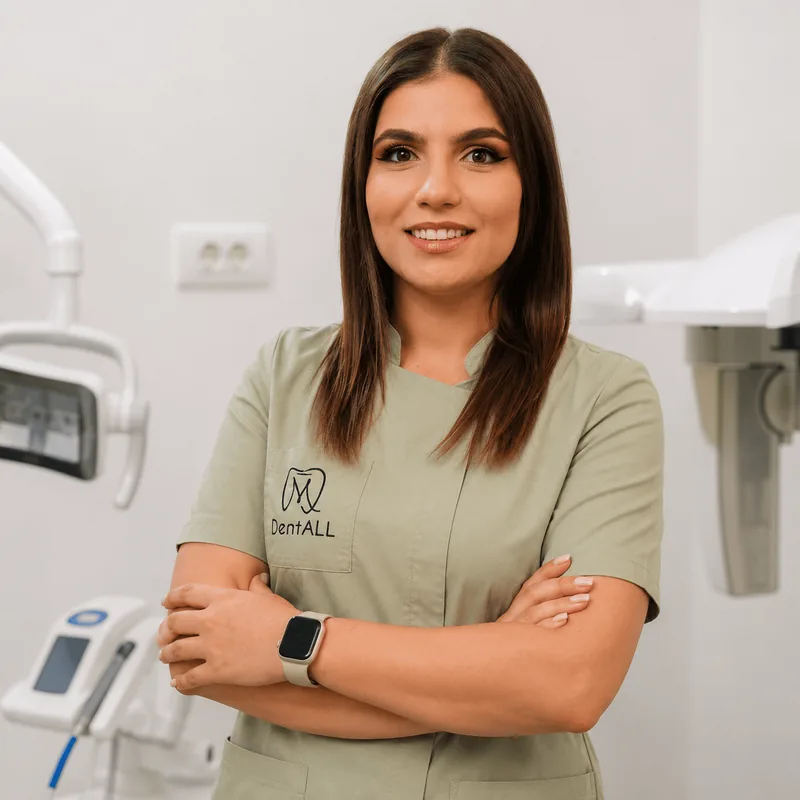
An experienced team — With over 10,000 patients treated and 14 specialists covering all areas of dentistry, including pediatrics, DentALL has the experience needed to handle both simple and complex situations, from a baby's first check-up to extensive restorations in school-age children or traumatic emergencies.
Safe, adapted technology — Digital radiology with reduced dose is particularly important for children, minimizing radiation exposure. The 3D intraoral scanner allows precise evaluations without discomfort. The dental laser reduces the need for anesthesia in certain procedures and makes the experience more comfortable. Traceable sterilization cycles guarantee maximum safety — a non-negotiable aspect when it comes to your children.
Identical protocols at both locations — Whether you are from Bucharest or Râmnicu Sărat, you receive the same standard of care, the same protocols, the same materials. Families who move between the two cities do not need to start over — the child's medical record is coherently managed across both locations.
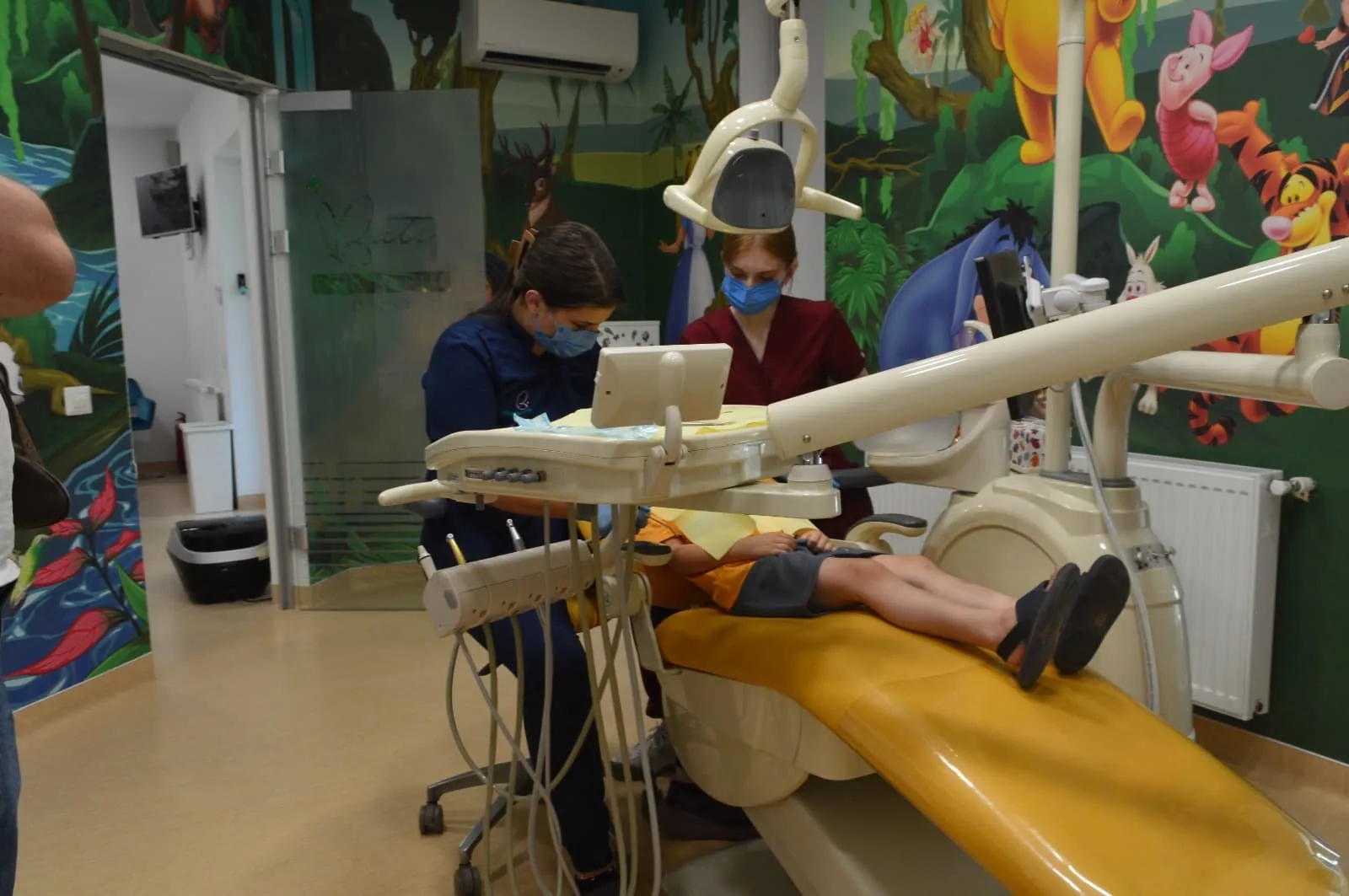
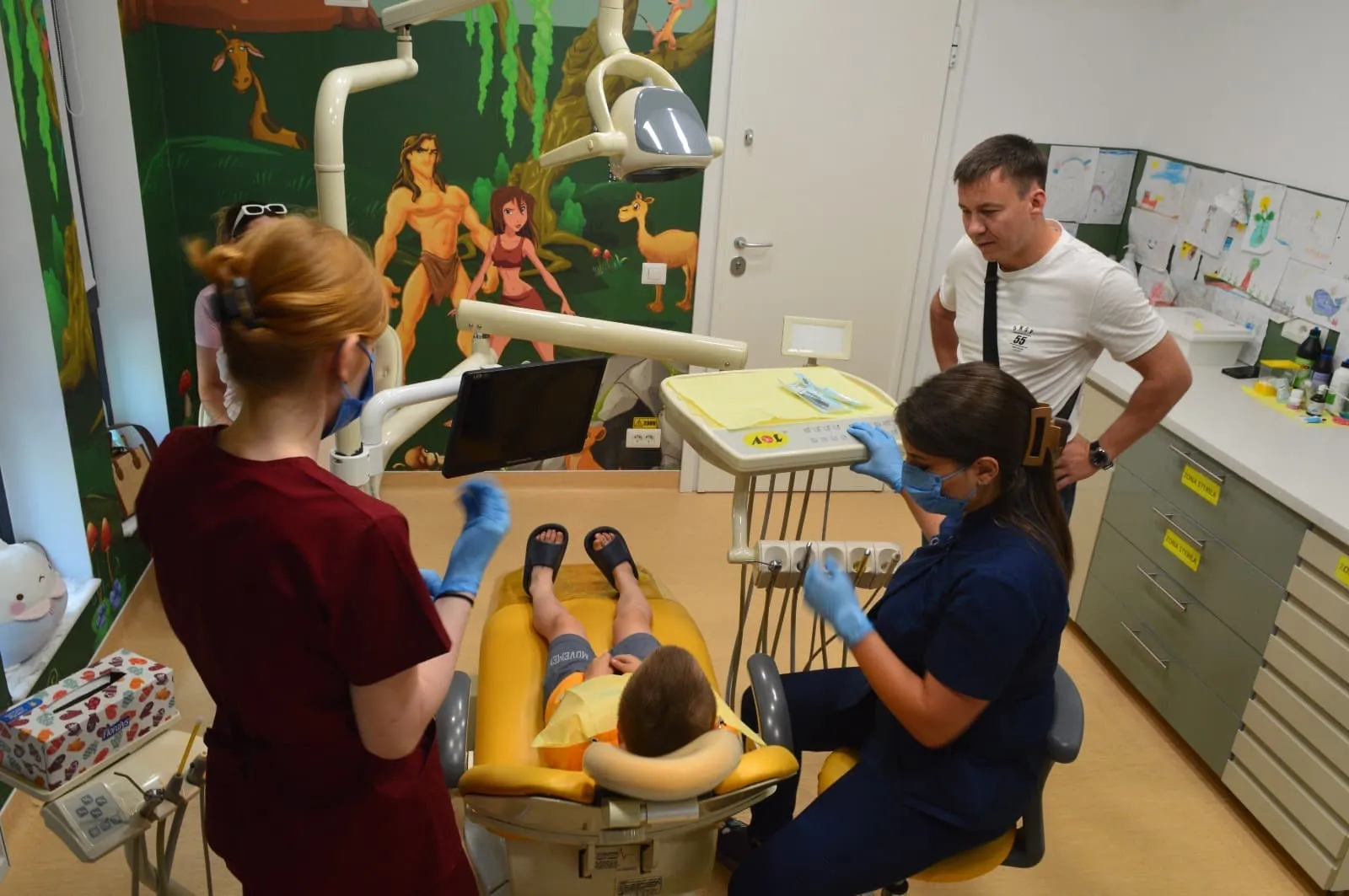
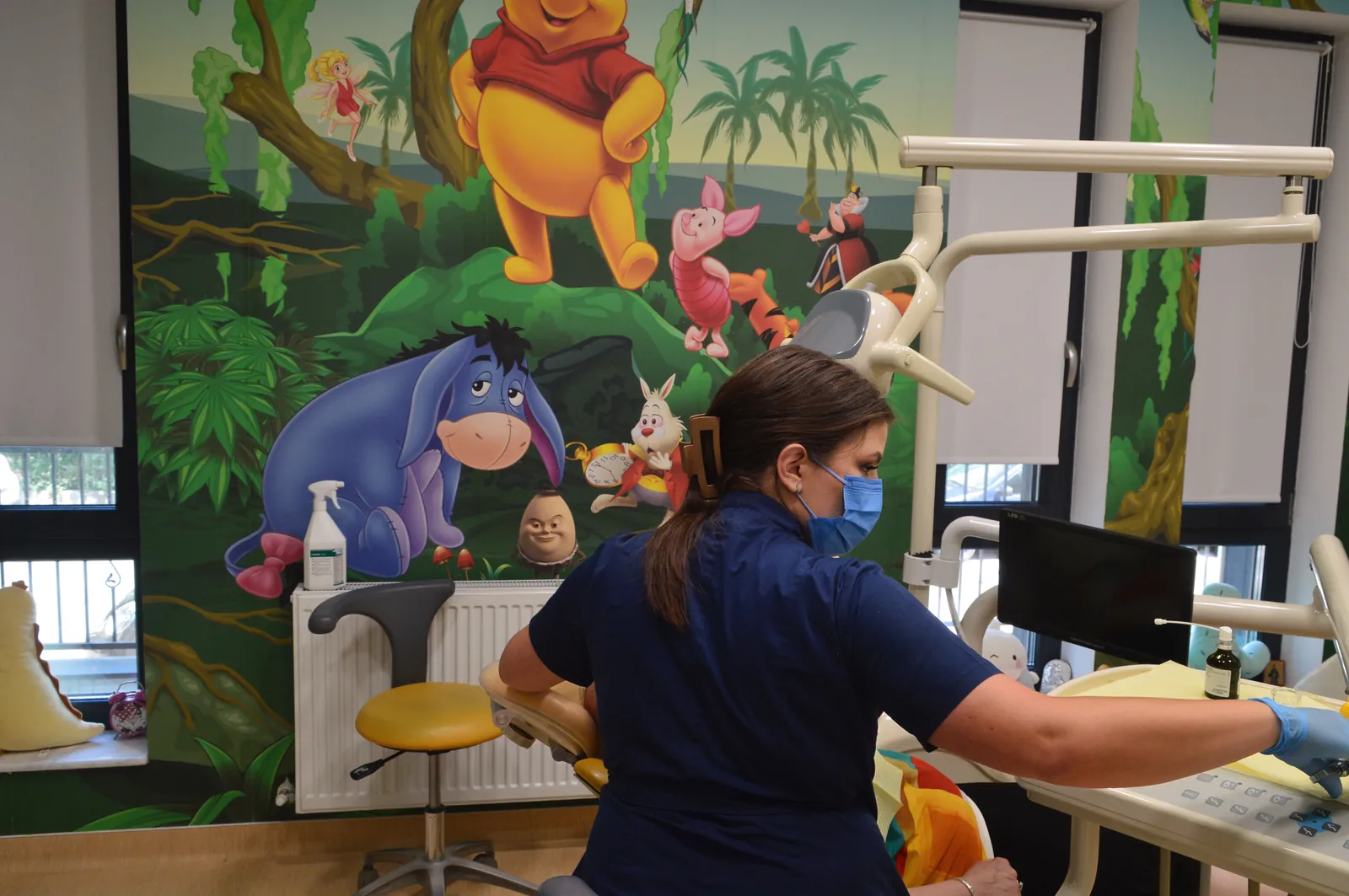
A child-friendly environment and non-traumatic approach — The DentALL team understands that a child who leaves the clinic calmly is far more valuable than a mechanically executed treatment. Investing in the relationship with the young patient — in patience, age-appropriate communication, and anxiety management — is part of the clinic's identity.
Long-term continuity — Your child is not "just a patient to be processed." At DentALL, the pediatric dentist follows the development of the dentition throughout all the important years: from the first baby tooth, through the mixed dentition, to stabilization of the permanent dentition in adolescence. This continuity allows early detection of developmental problems and a truly preventive, not superficial, approach.
Conclusion — the first step toward a lifetime of healthy teeth
Dental health is not a race that begins at age 6, when the first baby teeth fall out. It begins much earlier — with the first teeth, the first eating habits, and the first positive encounter with an empathetic dentist. Children who grow up with regular preventive dental care, correct brushing technique, and a fear-free attitude toward the clinic have every chance of being adults with healthy teeth and significantly lower dental costs over their lifetime.
At DentALL, pediatric dentistry means more than just treatments — it means a relationship built with patience, year by year, visit by visit. Our team of specialists is ready to welcome your child exactly where they are, regardless of age or previous experience.
Schedule your child's first consultation — at BUTE DENTALL CLINIC in Bucharest or at DENTALL M in Râmnicu Sărat. You can do it simply and quickly online at our appointments page. Because the best time to take care of your child's teeth is always now.