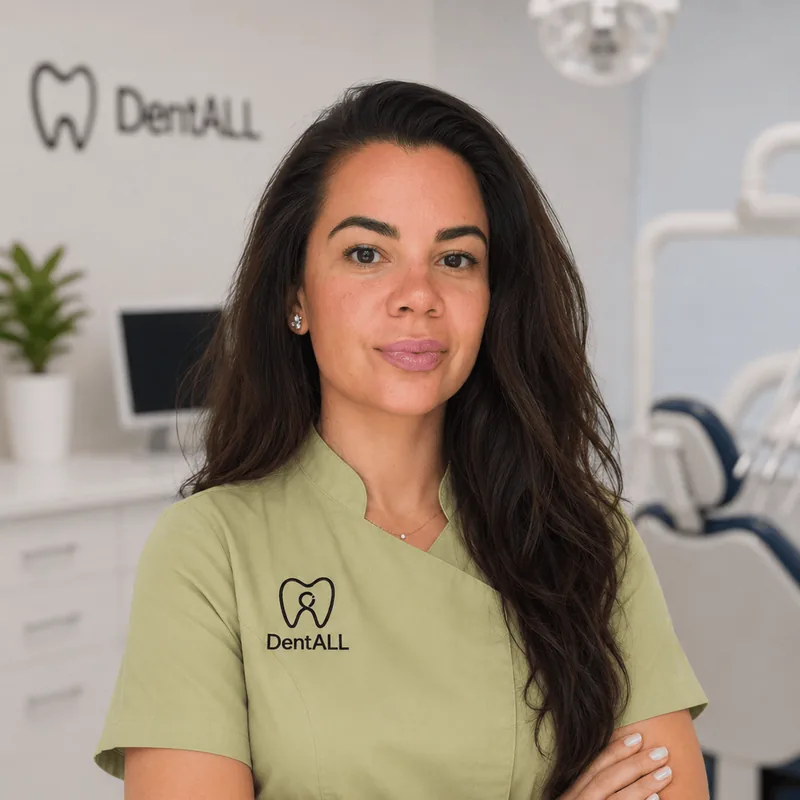
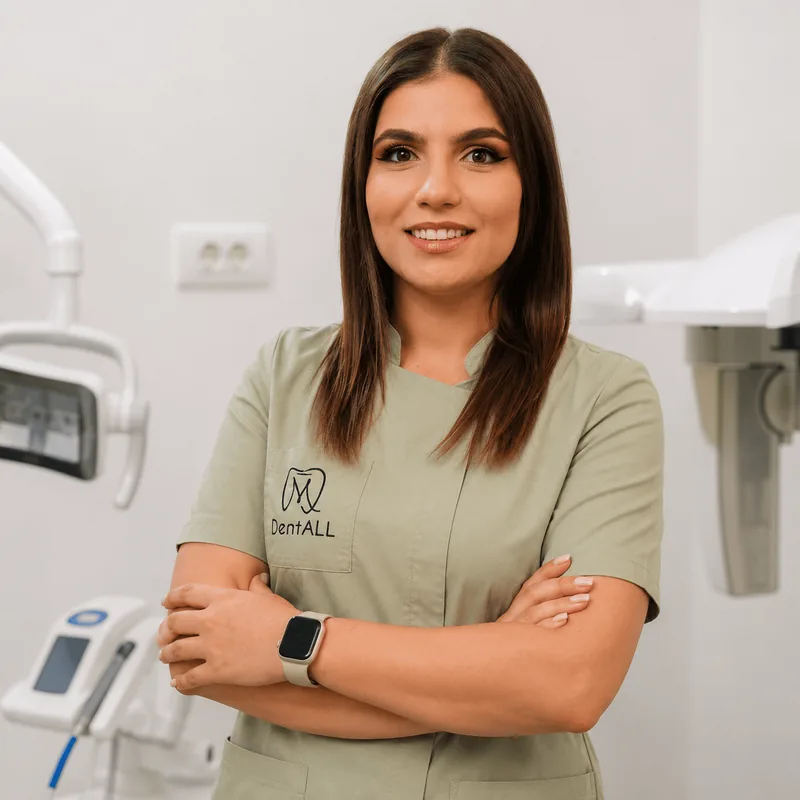
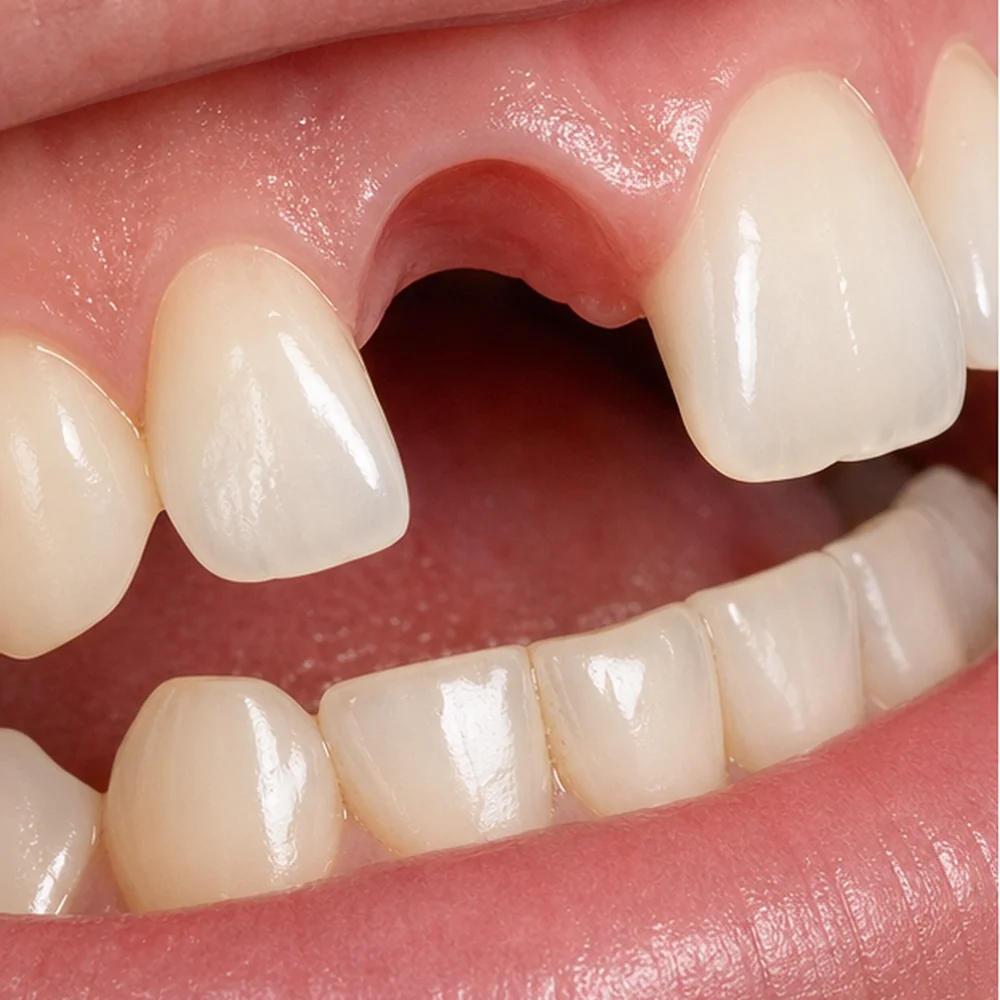
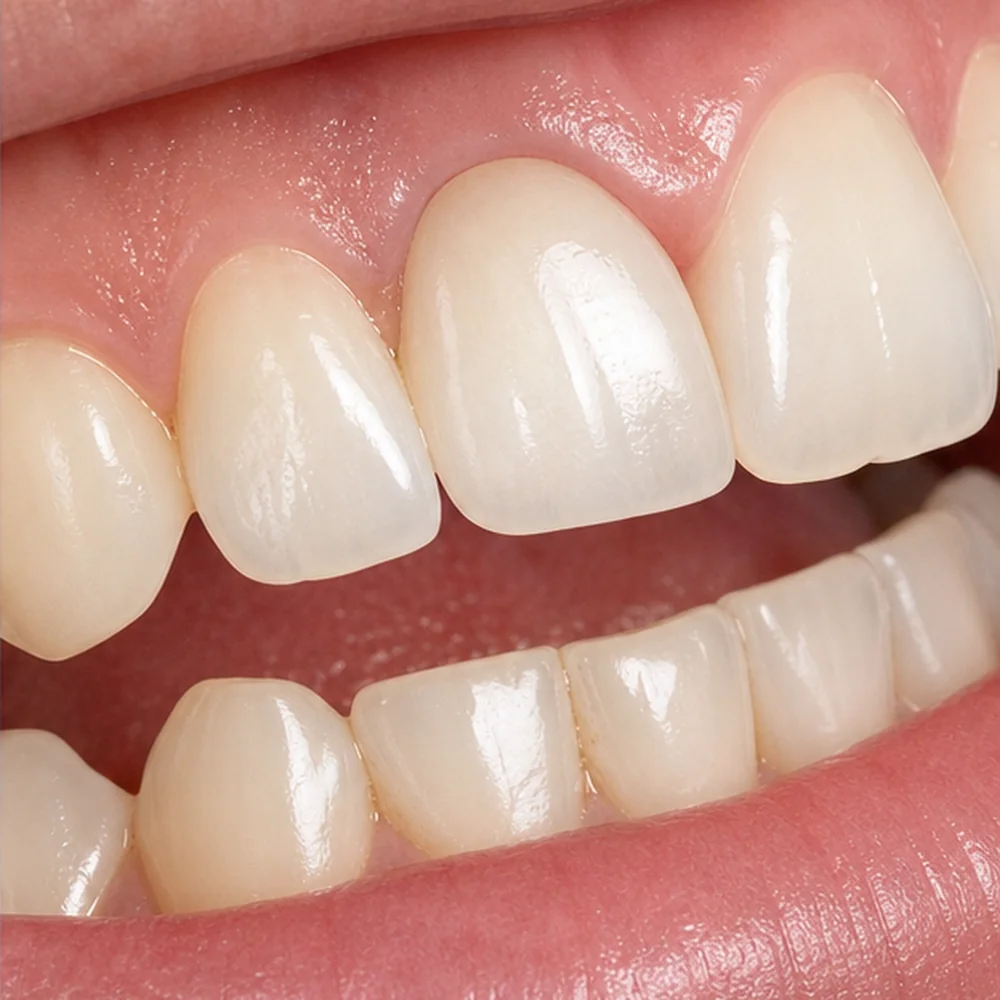
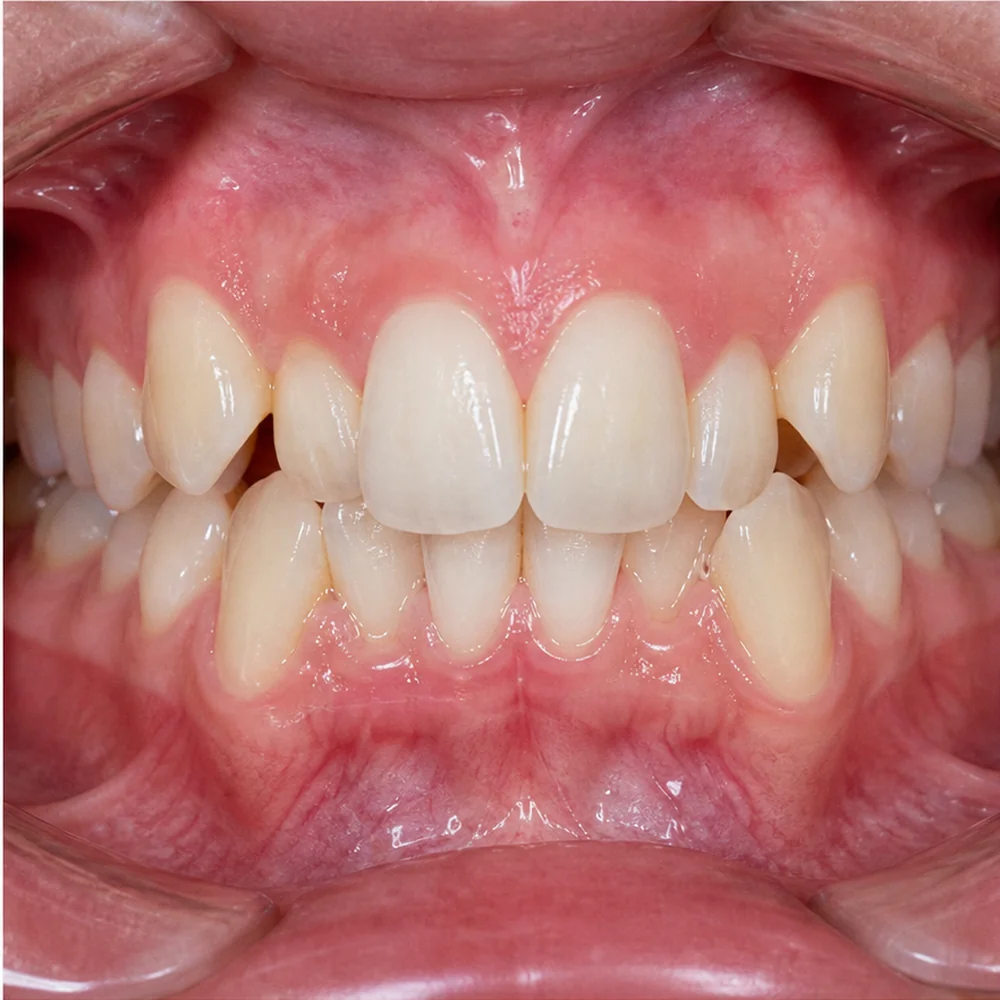
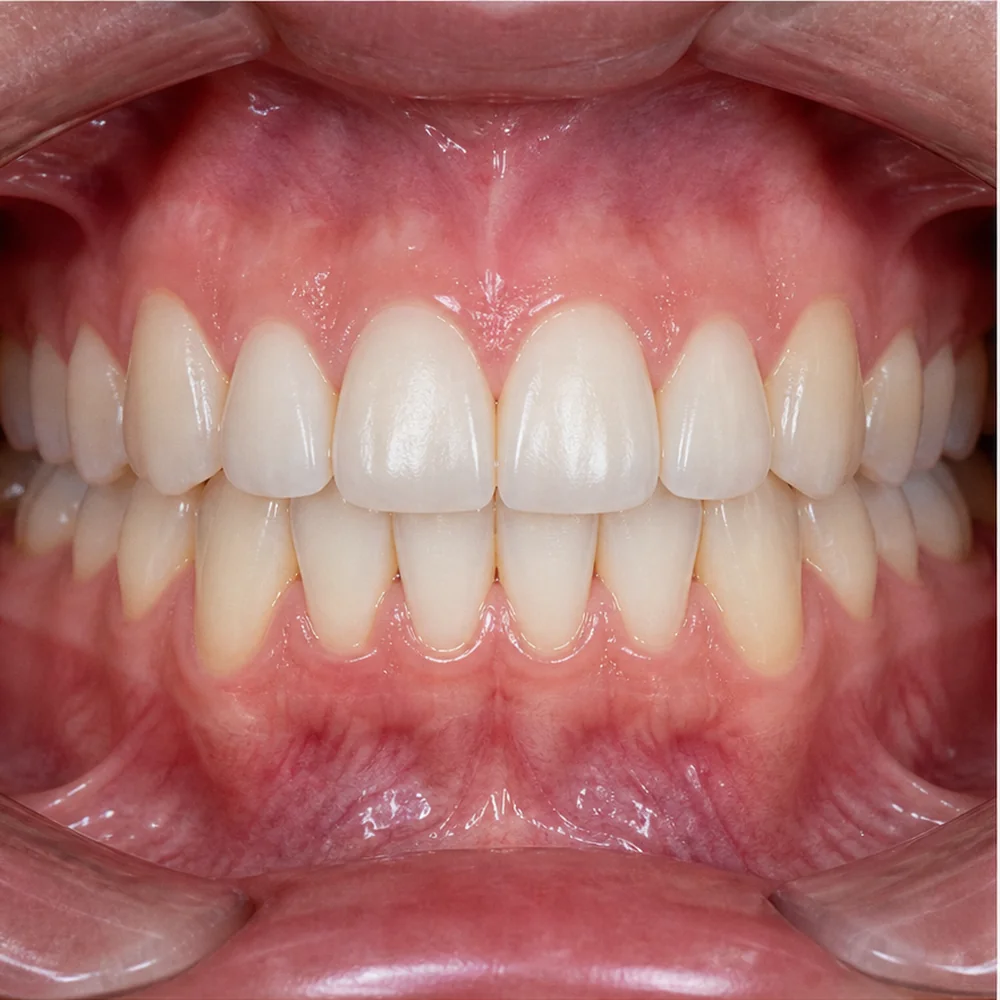
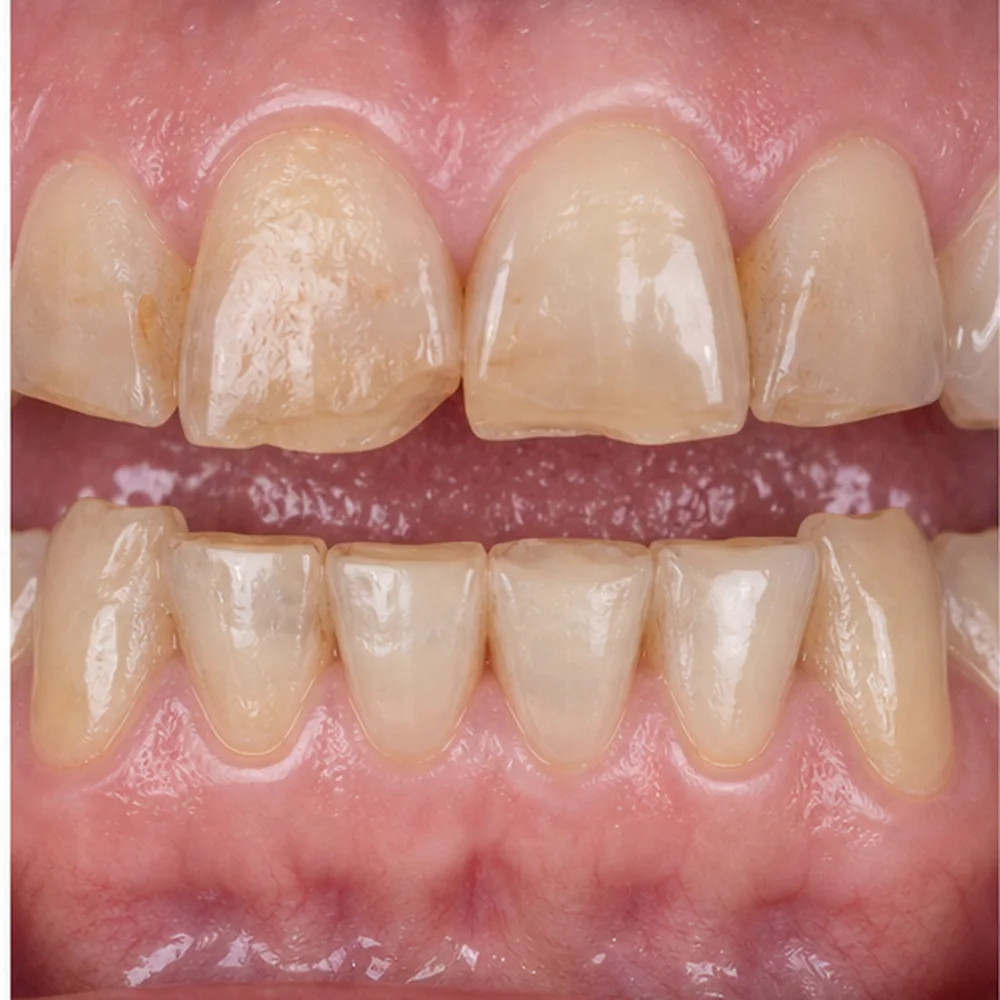
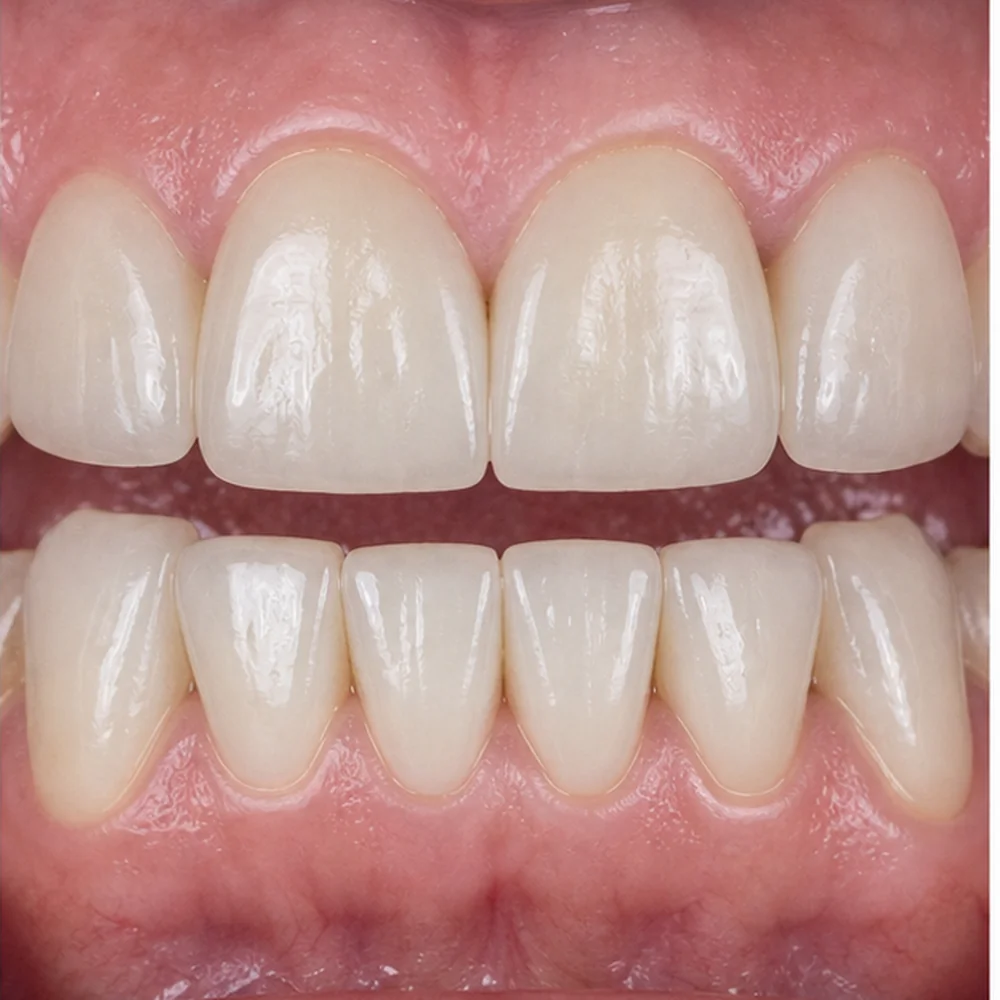
General dentistry is the foundation of all quality dental care — it is the first point of contact between the patient and oral health, regardless of age or specific concerns. At BUTE DENTALL CLINIC in Bucharest and at DENTALL M in Râmnicu Sărat, our team of general dentists gives every patient the attention and time needed to understand what is happening with their teeth, to prevent problems before they arise, and to treat any dental condition conservatively and effectively.
What is general dentistry and when do you need it
General dentistry encompasses all the core services a dental practice provides: from routine check-ups and oral health assessments to preventive care, cavity treatment, dental emergencies, and coordinating referrals to specialists when the situation requires. Unlike dental subspecialties (orthodontics, implantology, oral surgery), general dentistry addresses the full picture — teeth, gums, oral mucosa, occlusion — and has the role of maintaining oral health over the long term.
You need a general dentistry appointment whenever:
- you have not been to the dentist in more than six months;
- you notice sensitivity to sweet, cold, or hot;
- you feel pain, even occasional, in a tooth or gums;
- you have noticed that your gums bleed when brushing;
- you want to know exactly what condition your teeth are in;
- you are new to Bucharest or Râmnicu Sărat and are looking for a clinic of reference for the whole family.
General dentistry is not reserved for crisis moments. On the contrary — its greatest benefit is that, when it works as it should (meaning the patient comes in regularly), major problems either do not develop, or are discovered in their early stages when the solution is simple and affordable.
Who is it recommended for
General dentistry is, by definition, for everyone. There is no age too young or too old to benefit from basic dental care. Below we outline several patient groups with specific needs.
Children and adolescents
The first dental visit should take place around age one or with the appearance of the first tooth. The habit formed early — that a dentist visit is a normal, painless event — will shape the child's attitude toward dental care for the rest of their life. In children, general dentistry monitors the correct eruption of baby and permanent teeth, provides early treatment of cavities, fissure sealing, and preventive fluoride applications.
Adults with no apparent problems
Many adult patients come in after years of absence, convinced that "nothing hurts, so everything is fine." Unfortunately, decay and periodontal disease can develop slowly, without pain, until advanced stages. Regular six-monthly check-ups are the only way to detect these problems before they become costly and complicated.
Pregnant women
Pregnancy causes hormonal changes that can increase the risk of gingival inflammation and decay. Dental check-ups during pregnancy are safe, recommended, and in some cases essential. Untreated dental problems can negatively affect pregnancy, which is why obstetricians routinely recommend a prenatal dental consultation.
Individuals with systemic conditions
Diabetic patients, individuals with cardiovascular disease, osteoporosis, or those on long-term medication require more careful dental monitoring. There is a well-documented link between oral health and the body's overall balance — we return to this topic below.
Older adults
Aging brings specific challenges: gingival recession, xerostomia (dry mouth caused by medications), dental wear, and increased risk of cervical decay. General dentistry adapted to older adults' needs focuses on maintaining dental function and chewing comfort.
Types of services and treatment options
Complete dental check-up
A check-up is not just a quick look in the mouth. A complete dental examination includes visual inspection of all teeth, evaluation of gums and oral mucosa, analysis of occlusion, dental X-rays (if indicated), identification of any risk areas, and an open discussion with the patient about findings and options. At DentALL clinics, the check-up is also the starting point for an individualized treatment plan — adapted to each patient's priorities, budget, and lifestyle.
Regular six-monthly check-ups are not a commercial convention: they are the time interval within which an incipient cavity, an area of tartar, or an early sign of gum disease can be detected and resolved simply, before progression. The cost of a routine check-up and scaling is incomparably less than the cost of a root canal or dental implant.
Dental prophylaxis — active prevention
Prophylaxis encompasses all measures that prevent the onset of dental disease. It includes several distinct components, each with a well-defined role.
Scaling removes tartar — the mineralized deposit that forms on teeth when bacterial plaque is not completely eliminated by brushing. Tartar cannot be removed at home, regardless of the toothbrush or toothpaste used. When accumulated excessively, tartar irritates the gums, causes bleeding, and over time contributes to gingival recession and alveolar bone loss. Scaling performed by a specialist — with ultrasound and hand instruments — is safe and does not weaken dental enamel.
Professional polishing complements scaling by removing stains and residual plaque from tooth surfaces. It should not be confused with daily brushing at home — the techniques and instruments used in the office reach areas where an ordinary toothbrush cannot.
Air-flow is a cleaning technique using a jet of water, air, and fine bicarbonate or erythritol powder, which effectively removes superficial stains (from coffee, tea, tobacco) and bacterial plaque from hard-to-reach areas. It is more comfortable than traditional methods and more effective in modern subgingival prophylaxis.
Fluoride application involves the local application of fluoride preparations (gels, lacquers, varnishes) that strengthen dental enamel and increase its resistance to bacterial acid attack. It is recommended especially for children and adults with a high risk of decay.
Fissure sealing is a preventive procedure aimed especially at children: a sealing material is applied in the grooves and pits of molars (areas difficult to brush), blocking access by bacteria and food debris. It is one of the most effective methods of preventing decay in recently erupted permanent molars.
Beyond clinical procedures, prophylaxis also means education: how to brush your teeth correctly, how to use dental floss, which foods increase the risk of decay, and how important hydration is. At DentALL, patients leave their appointment not only with clean teeth, but with practical information tailored to their lifestyle.
Cavity treatment and tooth-colored fillings
Dental decay is the most prevalent chronic disease worldwide. It occurs when bacteria in dental plaque metabolize dietary sugars and produce acids that demineralize enamel. The process is progressive: if not stopped, it passes through enamel, attacks dentin, and ultimately reaches the dental pulp — the nerve.
The stages of decay are important because they determine the complexity of treatment:
- Incipient caries (demineralization): visible as a white chalky spot on the enamel; in some cases reversible through fluoride treatment and rigorous hygiene, without drilling;
- Enamel caries: affects only the enamel; simple treatment, often without anesthesia;
- Dentin caries: has penetrated the enamel and is attacking the dentin; requires drilling and filling;
- Deep caries: close to the pulp; risk of nerve involvement; more complex treatment, possible root canal;
- Caries with pulp involvement: the nerve is affected; pain may be intense; endodontic treatment required.
The message is simple: the earlier decay is discovered, the simpler, faster, less painful, and less expensive the treatment. This is why regular check-ups are not optional — they are an investment in health.
Modern fillings are tooth-colored — made from light-cured composite or ceramic resins that mimic the natural appearance of the tooth. Next-generation composite materials are durable, wear-resistant, and aesthetic, free of mercury and without the metallic appearance of traditional amalgam. The dentist removes the decayed tissue, disinfects the cavity, and applies the filling in layers, reconstructing the tooth's shape and function. The procedure is performed under local anesthesia and is, in general, completely painless.
Dental emergencies
Toothache often strikes at inconvenient moments. The most common dental emergencies are: acute toothache (usually a sign of pulp involvement or abscess), fracture of a tooth or prosthetic restoration, avulsion (accidental knocking out of a tooth), dental or periodontal abscess, and loss of a filling.
What you can do until you reach the clinic:
- For pain: oral analgesics (ibuprofen, paracetamol, at recommended doses) can temporarily reduce discomfort; avoid applying analgesics directly to the gum or tooth;
- For an accidentally knocked-out tooth: keep it in milk or between your cheek and gum (if you are an adult and there is no risk of swallowing) and go urgently to the clinic — reimplantation has a good chance of success if done within the first few hours;
- For a fractured tooth: avoid hard and cold/hot food on that side and attend the clinic as soon as possible;
- For an abscess (painful swelling): do not apply local heat and do not take antibiotics without the dentist's recommendation; local cold can temporarily reduce inflammation; an emergency consultation is mandatory.
At DentALL clinics in Bucharest and Râmnicu Sărat, dental emergencies are treated as a priority. Do not let pain turn into a bigger problem because you did not seek help in time.
How treatment is carried out, step by step
Regardless of the reason for the visit, the first step is always consultation and evaluation. The dentist examines the oral cavity, discusses the patient's medical history and present symptoms, requests additional investigations (X-rays, 3D CBCT tomography if necessary), and formulates a treatment plan.
The treatment plan is presented to the patient transparently: which procedures are necessary, in what order, what the priorities are, and what the alternatives are. At DentALL, the patient is a partner in the therapeutic decision — nothing is imposed, options are explained, and the patient chooses with full information.
The prophylaxis stage follows — professional cleaning, if not performed recently — to create a healthy starting point. Only then are the actual treatments carried out: fillings, root canal treatments, extractions, or anything else required.
At the end of each visit, the patient receives clear recommendations for home care and is scheduled for the next session or routine check-up. DentALL technology — including digital radiology with reduced dose and a 3D intraoral scanner — allows precise recording of every step, so that the patient's progress can be monitored over time with objective data.
Recovery, risks, and common myths
General dentistry treatments generally have a fast recovery. A filling requires no rest period — the patient can eat a few hours after the session (depending on the type of anesthesia used). Scaling may leave mild sensitivity in the first 24–48 hours, especially if tartar buildup was heavy.
Real risks exist, but are minimal when treatment is performed correctly, by a specialist, using quality materials, and under rigorous sterilization conditions. At DentALL, sterilization is carried out in traceable cycles, in accordance with current European protocols.
Common myths — debunked
"I only go to the dentist when it hurts." This is perhaps the costliest belief in dentistry. Pain usually appears when a problem has already progressed significantly — when decay has reached the nerve, when infection has spread, when bone loss is advanced. Emergency treatments are far more complex, more invasive, and more expensive than routine check-ups. Pain is a late signal, not an early warning.
"Scaling weakens teeth and widens the gaps between them." Completely false. Scaling removes tartar that had already accumulated between teeth and under the gum margin, creating the illusion that spaces have widened. In reality, tartar occupied that space — and created it, by inflaming and causing gingival recession. The feeling of "looser teeth" after scaling simply reflects the disappearance of the tartar, not a weakening of the teeth.
"Baby teeth don't matter — they fall out anyway." Baby teeth fulfill essential functions: chewing, speech, guiding permanent teeth into position, and maintaining the space needed for them. An untreated cavity in a baby tooth can cause infection, pain, and can affect the permanent tooth bud beneath it. Moreover, a child who loses a baby tooth prematurely risks developing spacing problems that may later require orthodontic treatment.
"Antibiotics fix toothache." Antibiotics can temporarily control an infection, but do not treat the cause — they do not remove decay, treat the affected nerve, or remove tartar. Toothache treated exclusively with antibiotics will return, usually more intensely. The dentist is the one who determines whether an antibiotic is indicated, at what dose, and for how long.
"Fluoride is dangerous." Fluoride applied locally (in the clinic or in toothpaste) at recommended doses is safe and highly effective in preventing decay. The clinicl and epidemiological studies over decades confirm the benefits of fluoridation. Like any substance, dose matters — chronic excess fluoride (fluorosis) is a real problem, but it occurs at exposures far higher than those in current dental practice.
Cost and what influences the price
At DentALL we do not publish rigid price lists, as every patient and every clinical situation is different. What we can say is that several factors influence the total cost of dental care.
The type and complexity of the treatment matters most. A small filling on a front tooth differs significantly in effort and materials from an extensive filling on a molar affecting multiple surfaces. A root canal treatment on a molar with three calcified canals is far more complex than one on an incisor with a single canal.
The number of teeth affected directly influences the workload and therefore the costs. A patient who comes in regularly for check-ups usually has few — or no — teeth to treat. A patient who has not been to the dentist for several years may need multiple sessions and multiple simultaneous procedures.
The materials used vary in price and quality. At DentALL we use certified materials from manufacturers with a reputation in the European dental market, which is reflected in the durability and aesthetics of results.
The stage of the problem is perhaps the most telling factor. Treating an incipient cavity costs a fraction of the cost of a root canal followed by a crown. Maintaining gum health through biannual scaling is incomparably less expensive than surgical treatment of advanced periodontitis. Prevention is not only healthier — it is more economical.
At the first consultation, the DentALL team will develop a detailed treatment plan with a clear cost estimate, so the patient can plan and prioritize without unpleasant surprises.
Oral health and general health — a real connection
The oral cavity is not isolated from the rest of the body. Bacteria present in dental infections or periodontal disease can enter the bloodstream and negatively affect distant organs and systems. Doctoral literature associates periodontal disease with an increased risk of cardiovascular disease, with difficulties in glycemic control in diabetic patients, and with preterm birth in pregnant women.
Xerostomia (dry mouth), commonly caused by medications for hypertension, antidepressants, or antihistamines, significantly increases the risk of decay — saliva has an essential protective role that few people are aware of. Patients on such long-term treatments require more frequent dental monitoring.
At DentALL, dentists collect and analyze the complete medical history of every patient, precisely because dental treatment cannot be dissociated from general health. This integrated, team-based approach ensures the safety and effectiveness of every procedure.
Why choose DentALL
Choosing a dental practice is not just about proximity or the first search result. It is a decision that influences your health and your family's health in the long term. Here is what sets DentALL clinics apart.
A complete team under one roof. With 14 specialists at both locations — Bucharest and Râmnicu Sărat — DentALL covers all branches of dentistry. Patients who begin with a general dentistry check-up can be referred, if needed, directly to the orthodontist, implantologist, oral surgeon, or periodontist, without changing clinic and without losing their medical history.
Modern technology at European standards. Digital radiology with reduced dose minimizes radiation exposure without compromising image quality. The 3D intraoral scanner enables precise impressioning without uncomfortable conventional materials. The dental microscope provides magnified visibility for complex procedures — root canal treatments, minimal restorations. 3D tomography (CBCT) is available for cases requiring a complete three-dimensional evaluation — implantology, surgery, alveolar bone assessment.
Identical protocols at both clinics. Whether you are a patient at BUTE DENTALL CLINIC in Bucharest or at DENTALL M in Râmnicu Sărat, you benefit from the same hygiene standards, the same materials, and the same clinical protocols. Patients who travel between the two cities can continue treatment without interruption.
Traceable sterilization cycles. Infection control is non-negotiable. At DentALL, every sterilization cycle is monitored and documented in accordance with current European regulations. Patients can request to see these records — transparency is part of the clinic's philosophy.
Proven experience. Over 10,000 patients treated is not a marketing figure — it is confirmation that DentALL's protocols work and that patients return and recommend the clinic. Patient loyalty in dentistry is built over years, through consistent results and relationships of trust.
An anxiety-free approach. Fear of the dentist is real and common. At DentALL, every procedure is explained step by step, the patient knows what to expect, and has full control over the pace of the appointment. There is no rushing, no pressure. Patient comfort is a priority, not a slogan.
Conclusion — take the first step today
Oral health is not a luxury and not a concern reserved for moments of crisis. It is an essential component of overall wellbeing, with direct implications for quality of life — from the comfort of chewing and the clarity of speech, to confidence in your smile and systemic health.
General dentistry provides the framework for protecting this health systematically: regular check-ups, active prevention, early treatment, and education for correct home oral hygiene. The preventive cost of regular check-ups is a fraction of the cost of complex treatments that would be required if problems were left to progress.
At BUTE DENTALL CLINIC in Bucharest and at DENTALL M in Râmnicu Sărat, our team is ready to welcome you, evaluate your situation with care, and propose a care plan tailored to your actual needs. You do not need a specific reason to come in — a simple check-up is enough to know where you stand and what needs to be done.
Schedule your initial consultation online at our appointments page and take the first step toward healthy teeth, with a team you can trust.